



As barriers that protect buildings from soil pressure and movement, retaining walls need to be robust and durable. Yet, we often come across structures that are inadequate for the task, simply because of a disconnect between the architect’s design and the limitations at the construction site. To ensure that the retaining wall that’s built matches what they’d envisioned, architects and builders can factor in these elements on the drawing board itself.
1. Water drainage
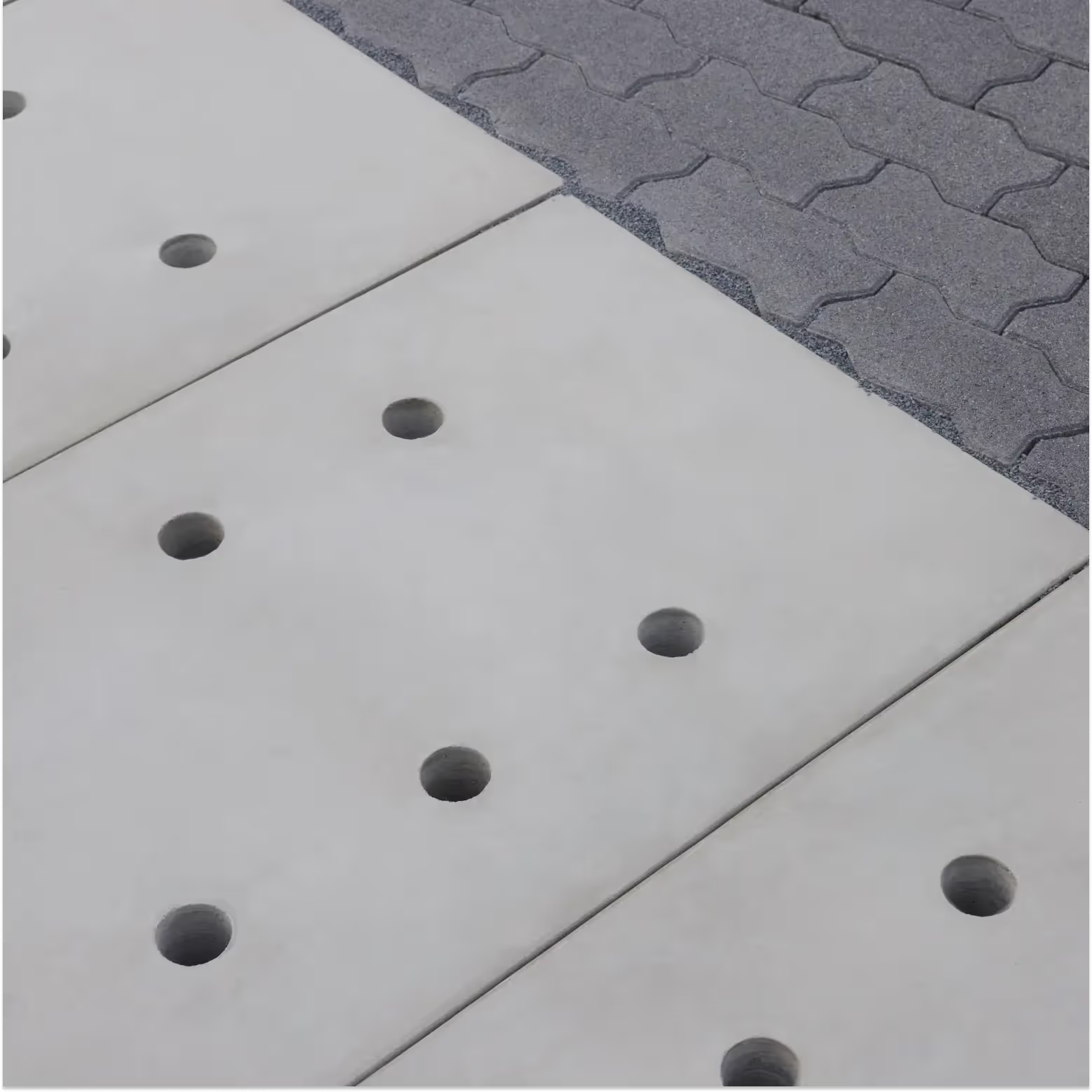
When water gets trapped within retaining walls, it leads to a build up of hydrostatic pressure. This eventually pushes against the wall, resulting in bulges and breaks. By creating elements that facilitate the regular flow of water away from the wall, architects can ensure structural integrity.
- Apart from regularly-spaced weep holes, specify discharge paths in drawings.
- Detail out granular drainage layers and filter fabric to prevent soil from washing away.
- Coordinate drainage design with landscape and site grading early on.
2. Backfill material
Retaining walls are designed assuming the use of ideal backfill material - crushed stone, gravel or coarse sand that offers uniform support while draining water efficiently. Unfortunately, at the time of construction, excavated soil and debris could be used, which compromises the structural strength of the retaining wall. To avoid this, architects can design conservatively and put certain checks in place.
- Backfill material and compaction techniques should be specified at the design stage.
- Include inspections and approvals throughout the construction process.
3. Surcharge loads

After they’re constructed, concrete retaining walls often end up bearing higher loads than they were originally designed for. Unplanned vehicular movement, landscaping elements and lean-to features can compromise the strength of retaining walls, so it’s essential to consider future applications in consultation with landscape architects, home owners and contractors in the initial stages itself.
4. Alignment and joint placement
Minor misalignments between units can have a cumulative impact on the wall’s structural strength. Additionally, movement joints are a must to accommodate thermal expansion and shrinkage. Addressing these aspects during material selection and reviewing them during construction are key.
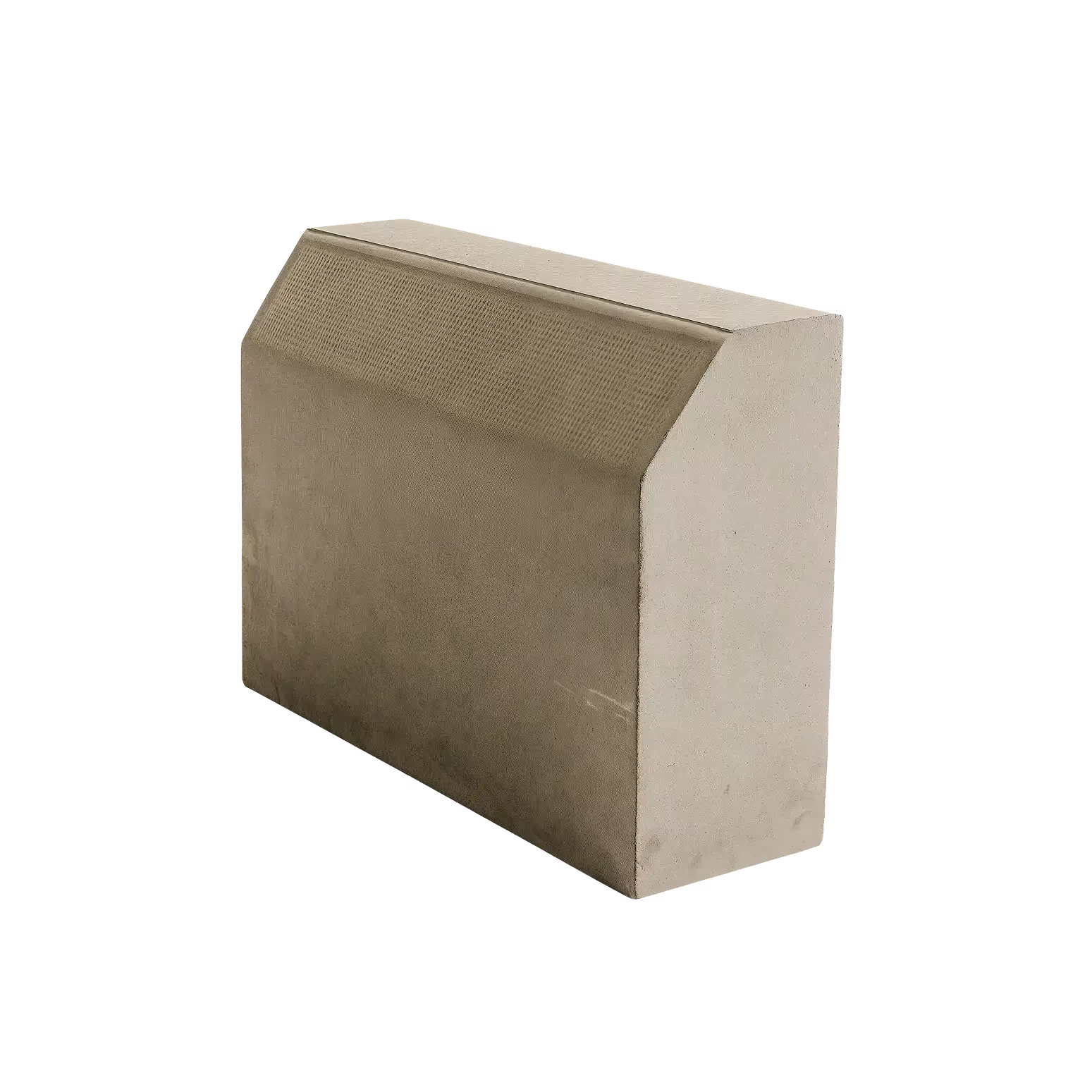
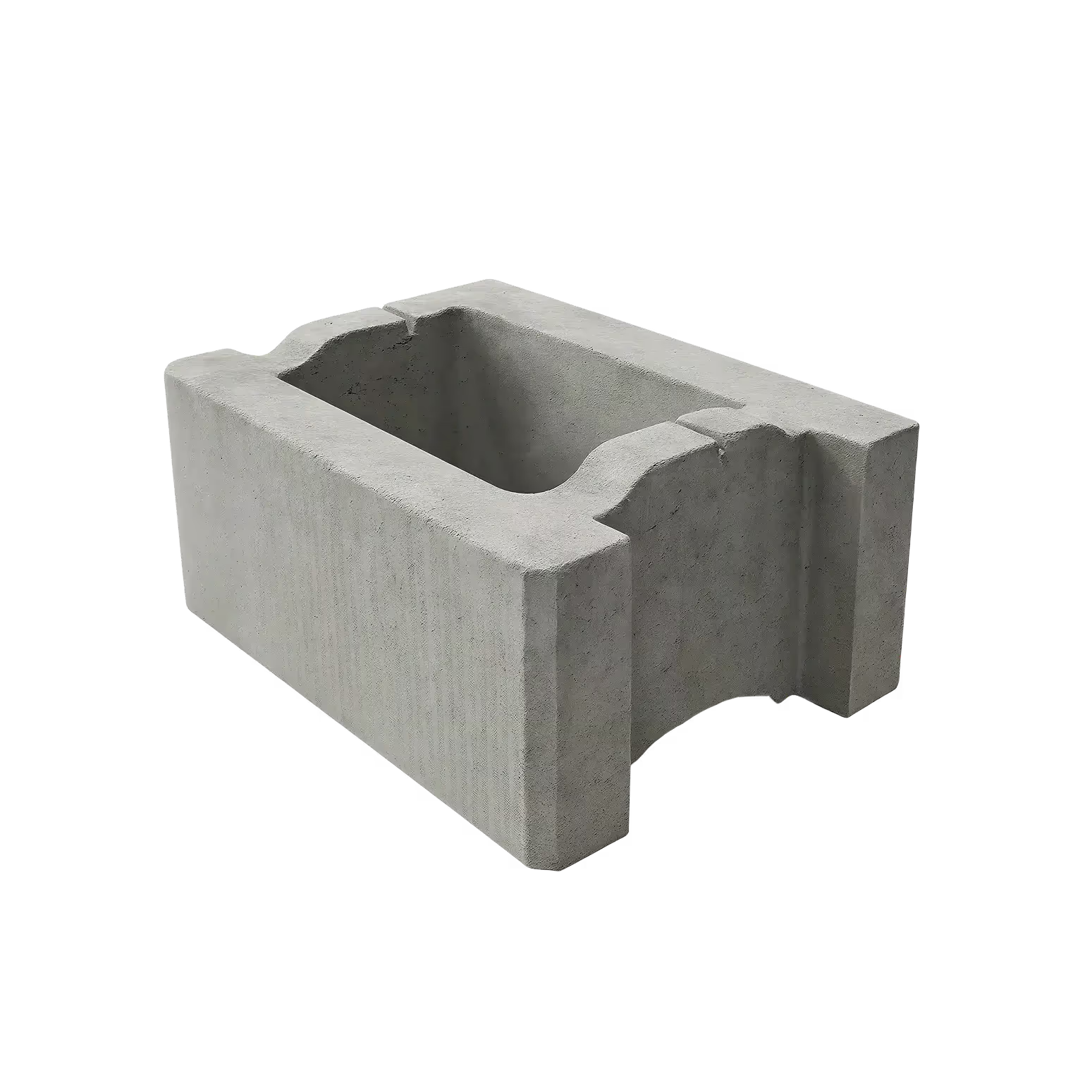
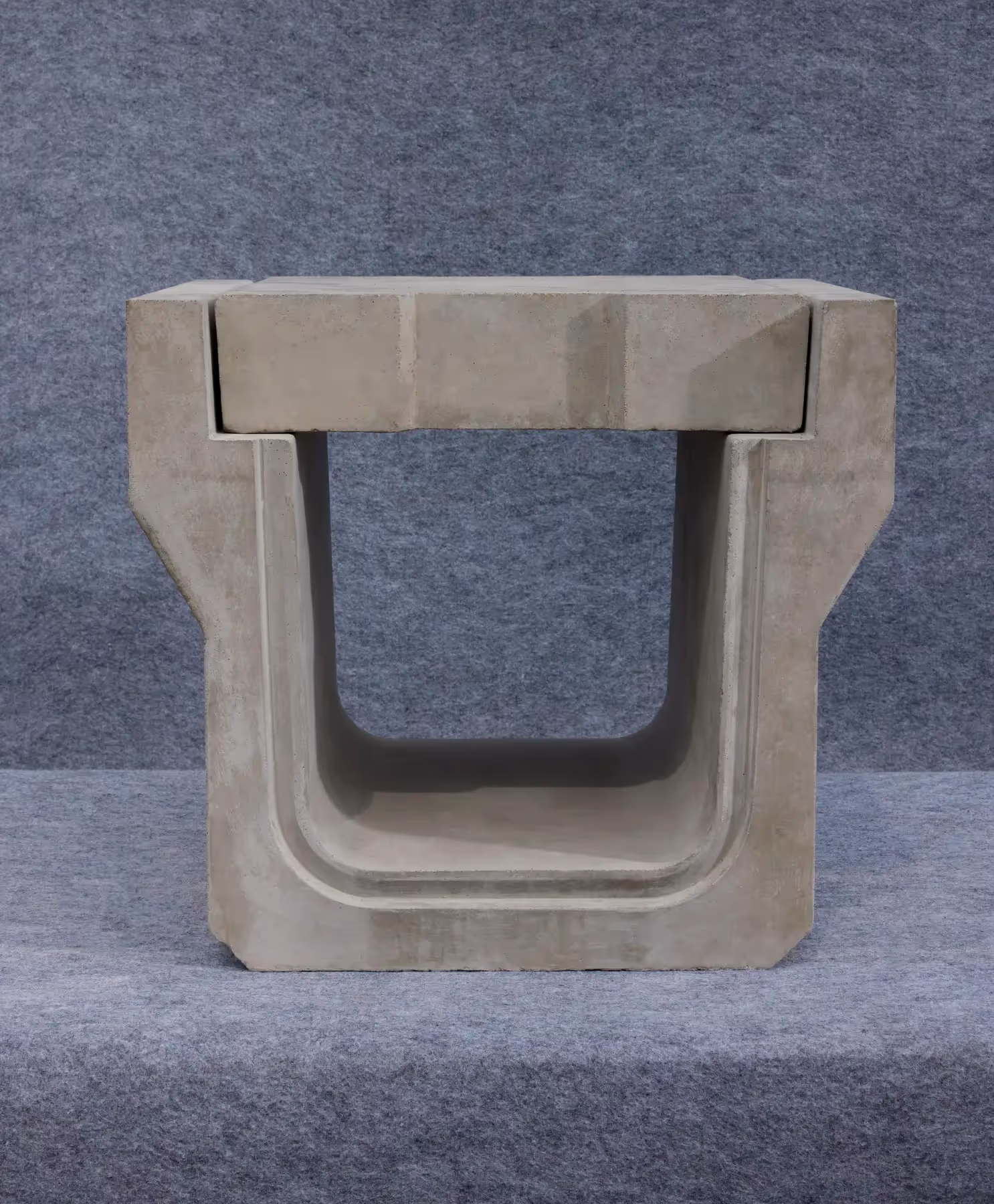
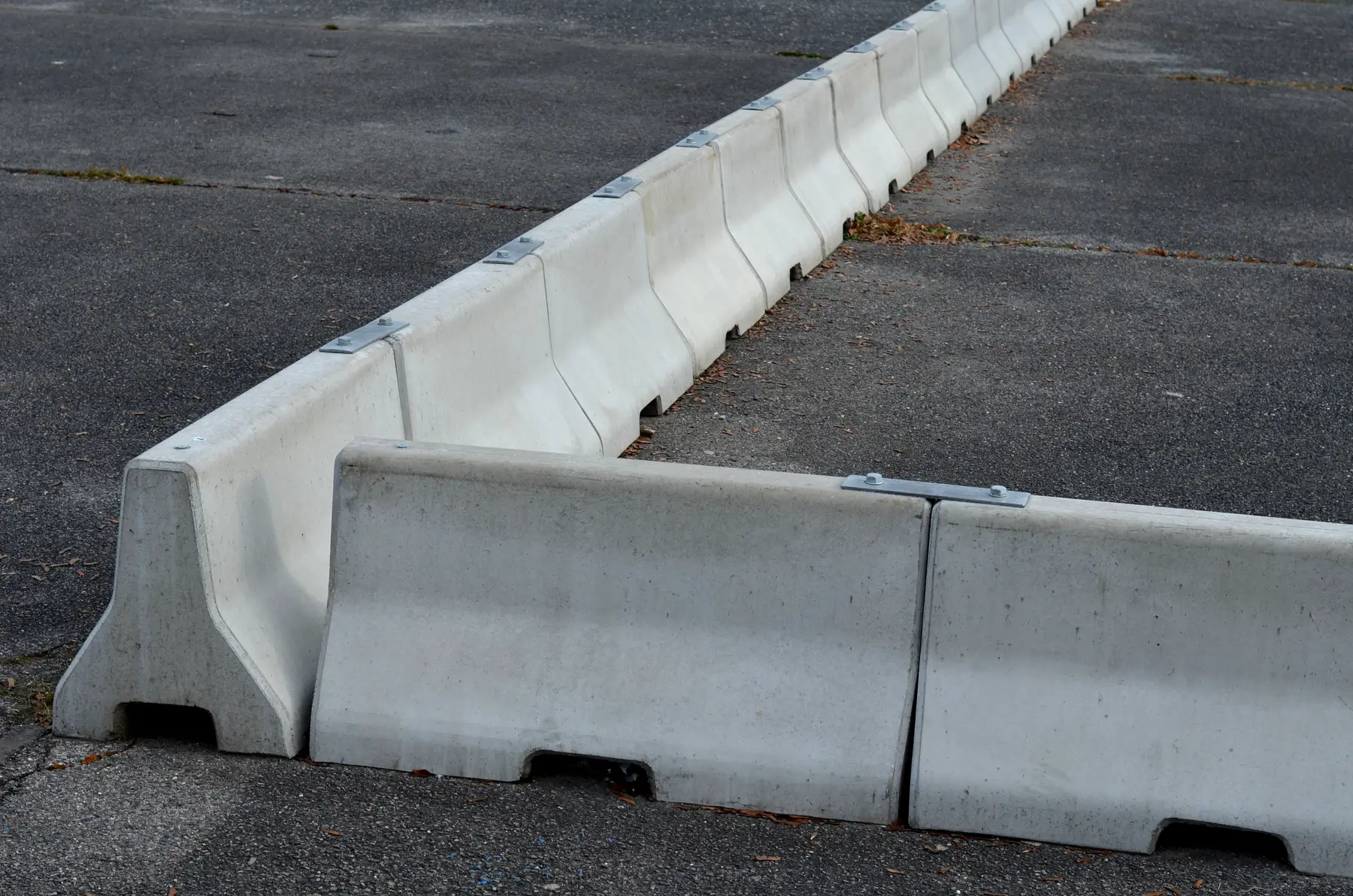
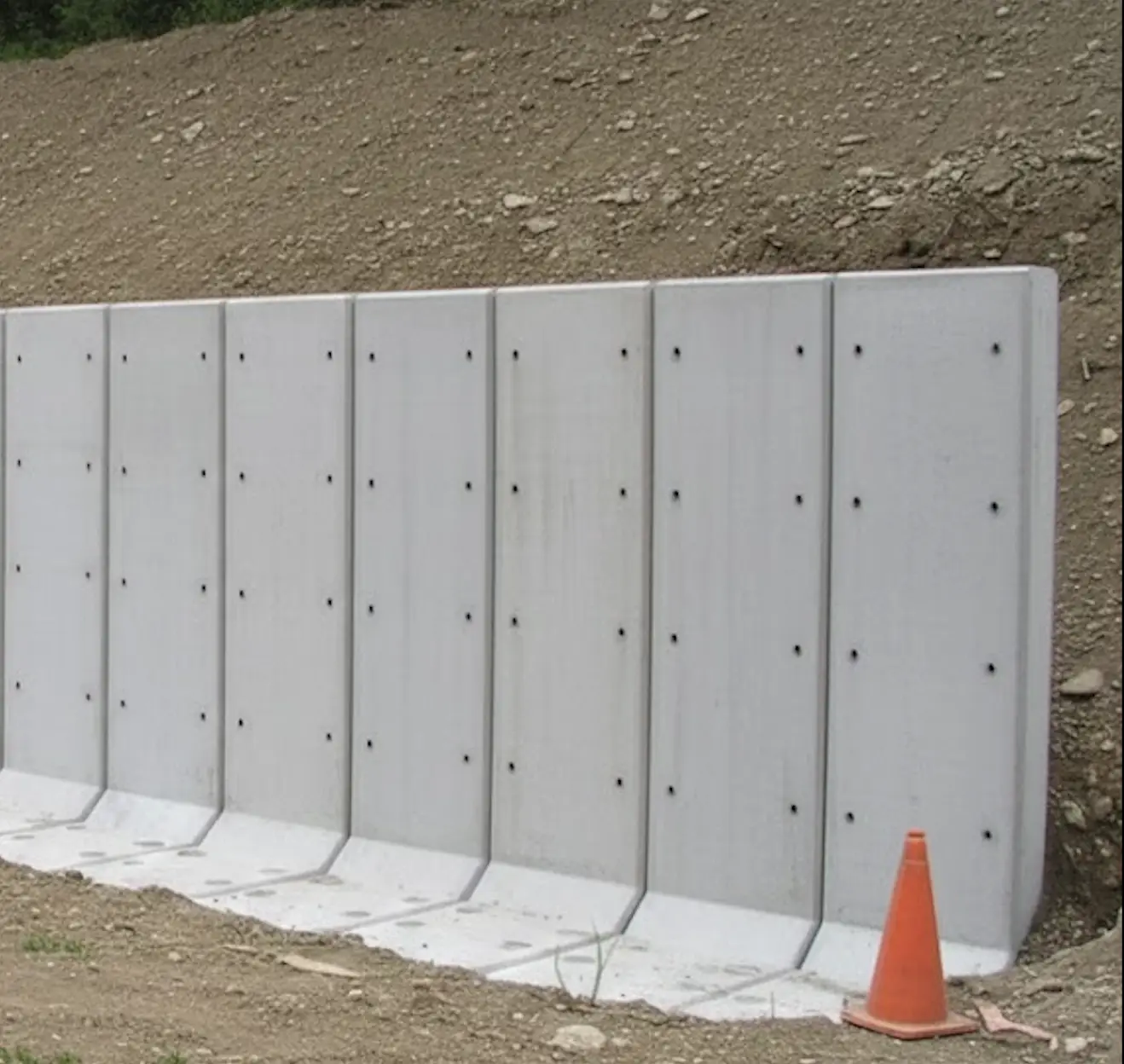
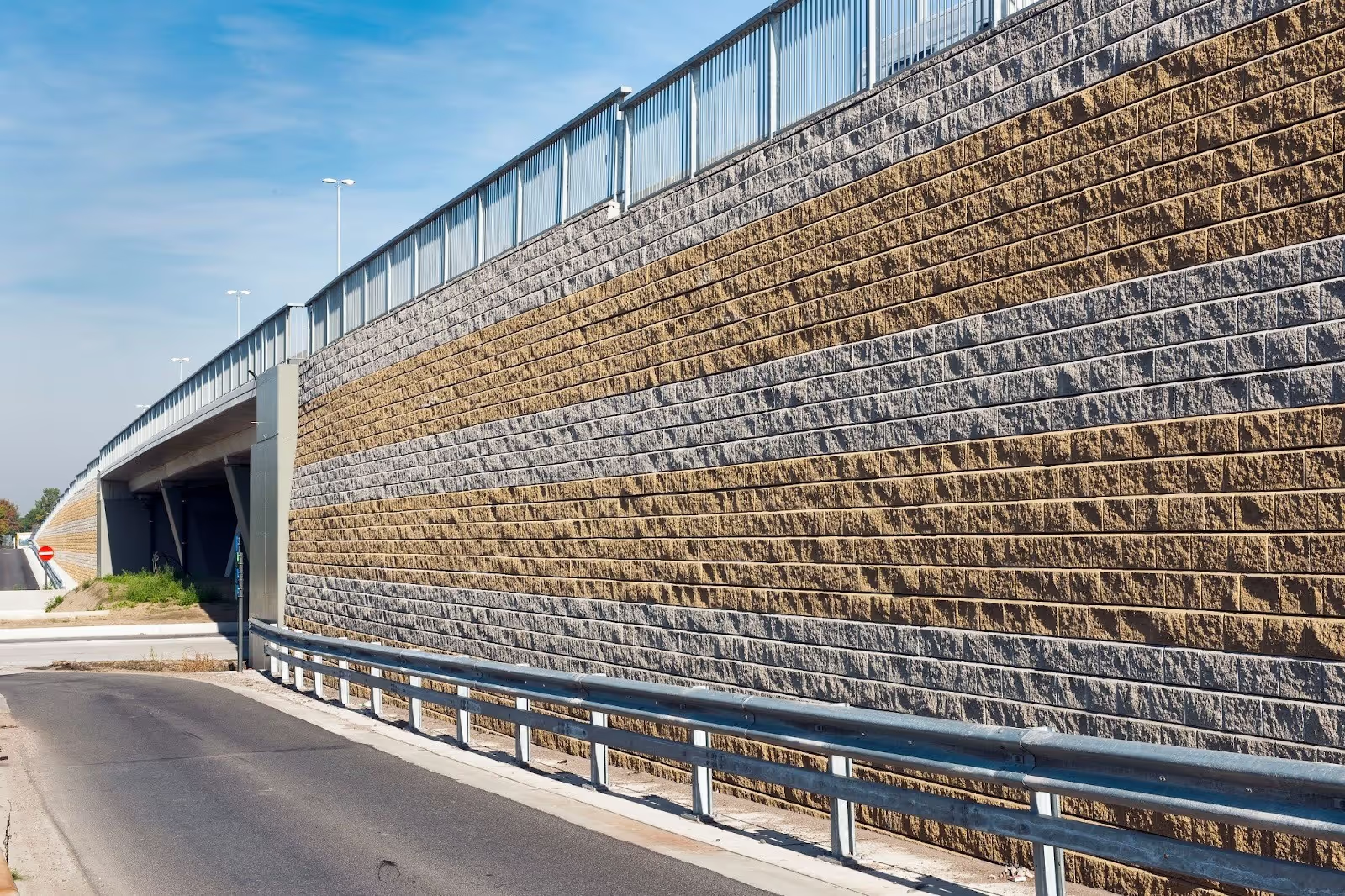
- You could consider precast L-shaped retaining walls or modular, mortarless Allan Blocks for retaining walls. Purpose-built for multi-level soil retention, these products have tight tolerances and excellent dimensional accuracy.
- Constructability reviews can help bridge any gaps between drawings and on-site realities.
5. Structural integration
When the interface between retaining walls and other hardscaping elements like pavements, drains and compound walls isn’t robust, structural issues can crop up. Treat retaining walls as part of a larger hardscaping ecosystem and detail out responsibilities clearly. You could also opt for products that are designed for easy integration, such as our precast L-shaped retaining walls.

Preparation, being specific about details, and coordination from the design stage onwards leaves less room for spur-of-the-moment changes at the construction site. Newer products like modular Allan Blocks and precast L-shaped retaining walls have also been designed to address aspects such as alignment, hydrostatic pressure and structural integration. With a more detailed process and the right choice of products, architects can ensure that concrete retaining walls don’t just add to a building’s visual appeal, but to long-term durability as well.
To know more about Allan Blocks and precast concrete retaining walls, please write to us at enquiry@basantbetons.com.