

“Pink is the navy blue of India,” said Diana Vreeland, summing up our love for colour. Naturally, this extends into architecture as well; from the technicolour gopurams of temples to multi-hued Pol houses of Gujarat, India is a vibrant canvas.
In a land where colour isn’t just aesthetic, what makes architects and real estate developers favour one colour over another?
1. The Cultural Context
Every colour is rich with meaning, especially in India. Traditional architecture is heavily informed by the Shilpa Shastra, an ancient design treatise. It mentions five primary shades - red, yellow ochre, black, lapis lazuli and white. Regional influences are equally important. In Andhra Pradesh and Telangana, folk memory creates a strong preference for bright greens, yellows and blues, which are brought together to create high contrasts.
Kerala is partial to the earthy red of clay, which is considered auspicious; the colour is happily embraced through laterite walls, terracotta tiles and red oxide flooring. Meanwhile, the palettes of Chettinad are a mosaic of colour; think stained glass windows, Anthangudi tiles, rich teak woodwork and jewelled Tanjore paintings. The homes of the prosperous Chettiars reflect the global trade networks that enriched the community.
Even as modern styles shape urban architecture, clients choose familiar colours to create a sense of home.
2. The Environment
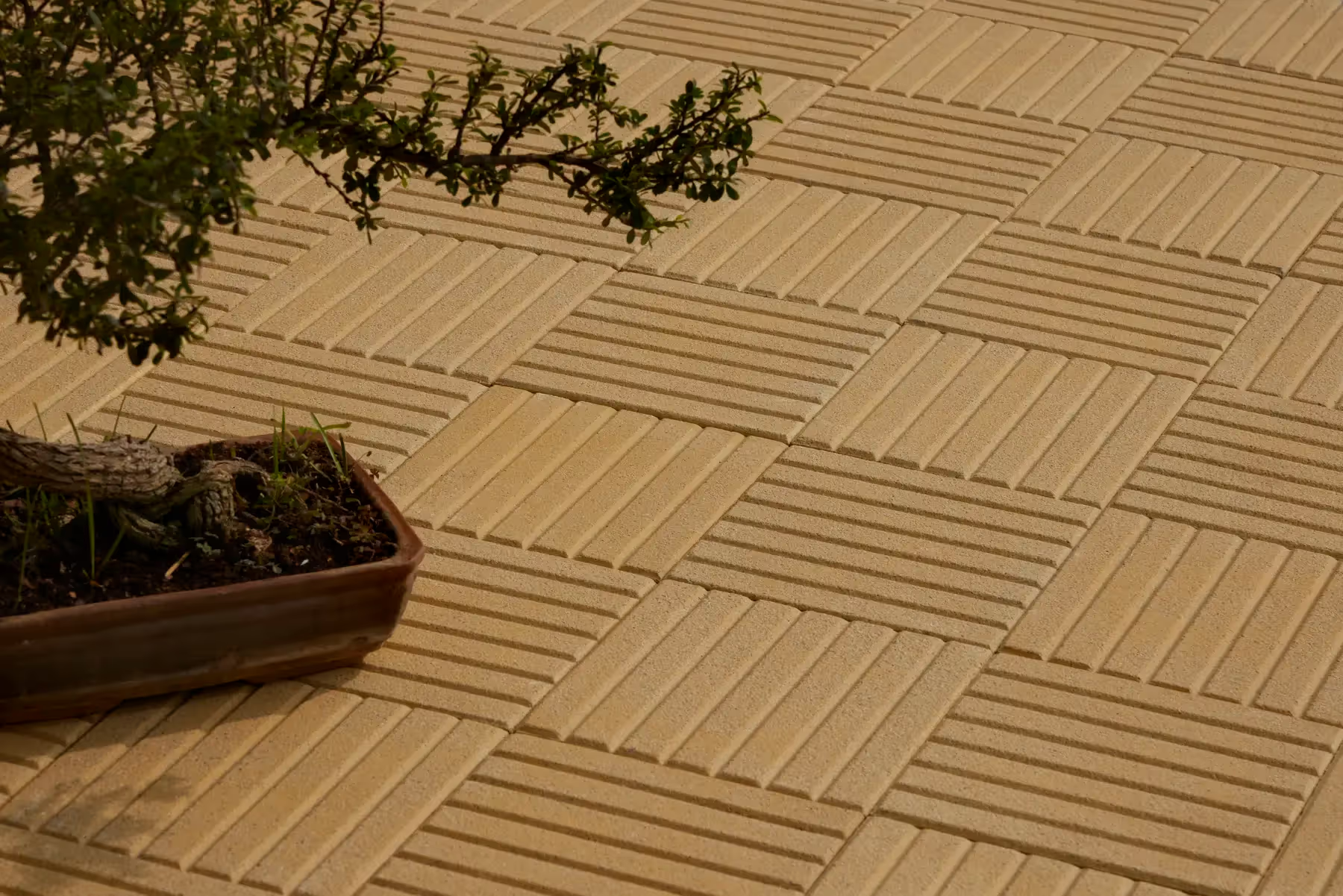
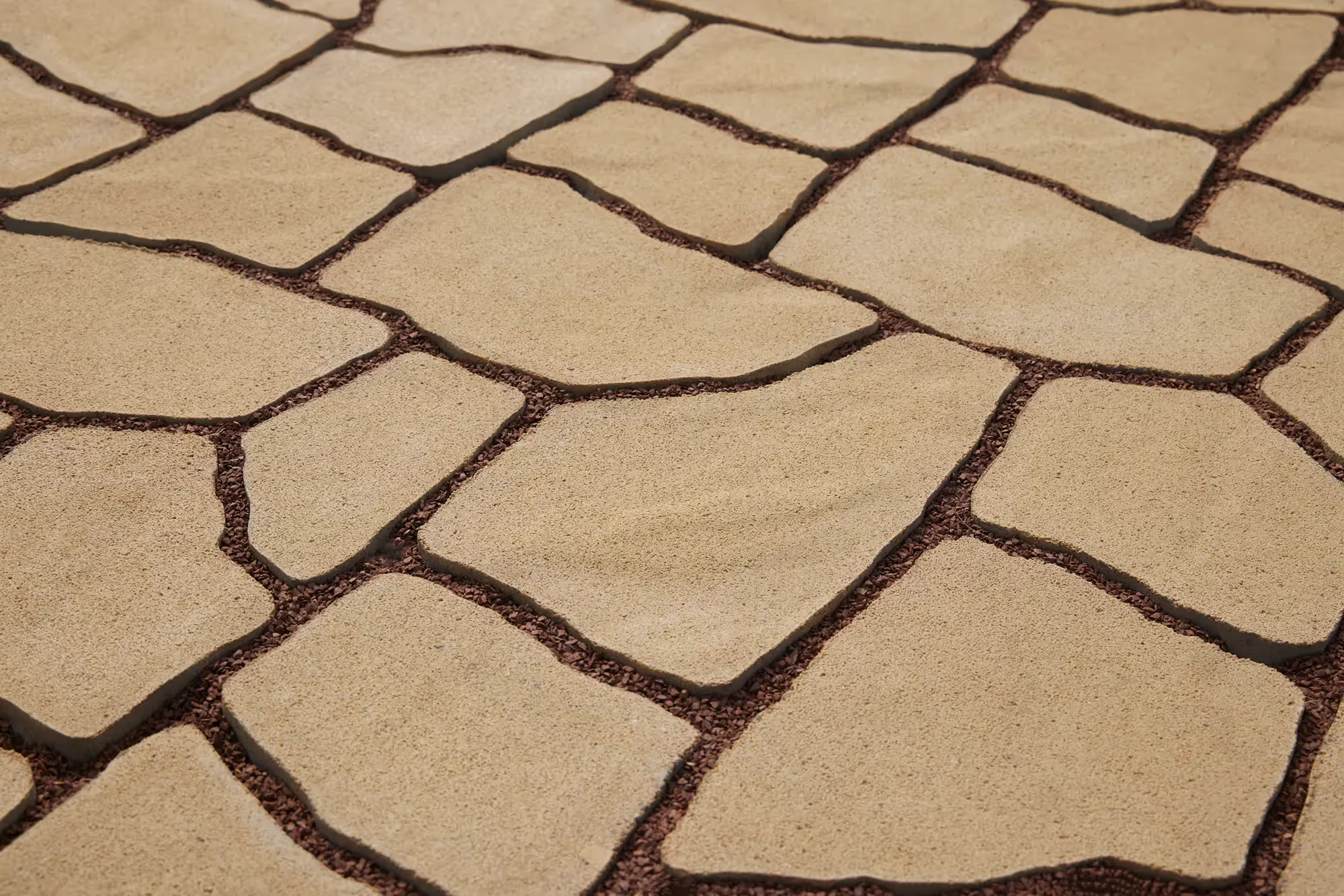
The best building colours respond to their ecosystem, playing off its strengths and mitigating its challenges. For example, natives of northern Karnataka have responded to the scorching summers by favouring lighter tones that reflect heat and are less prone to fading. Off-white, sandstone beige and pale yellow are popular choices. In contrast, the cooler climes of Himachal Pradesh encourage residents to trap heat by choosing darker tones.
Coastal south India, especially around the Western Ghats, faces unremitting rains in the monsoon, leaving damp patches on structures. Red oxide and laterite hide these stains well. The earthy brown tones also blend into the wooded hillsides, making the structures look like extensions of the land they inhabit.
3. Colour Psychology
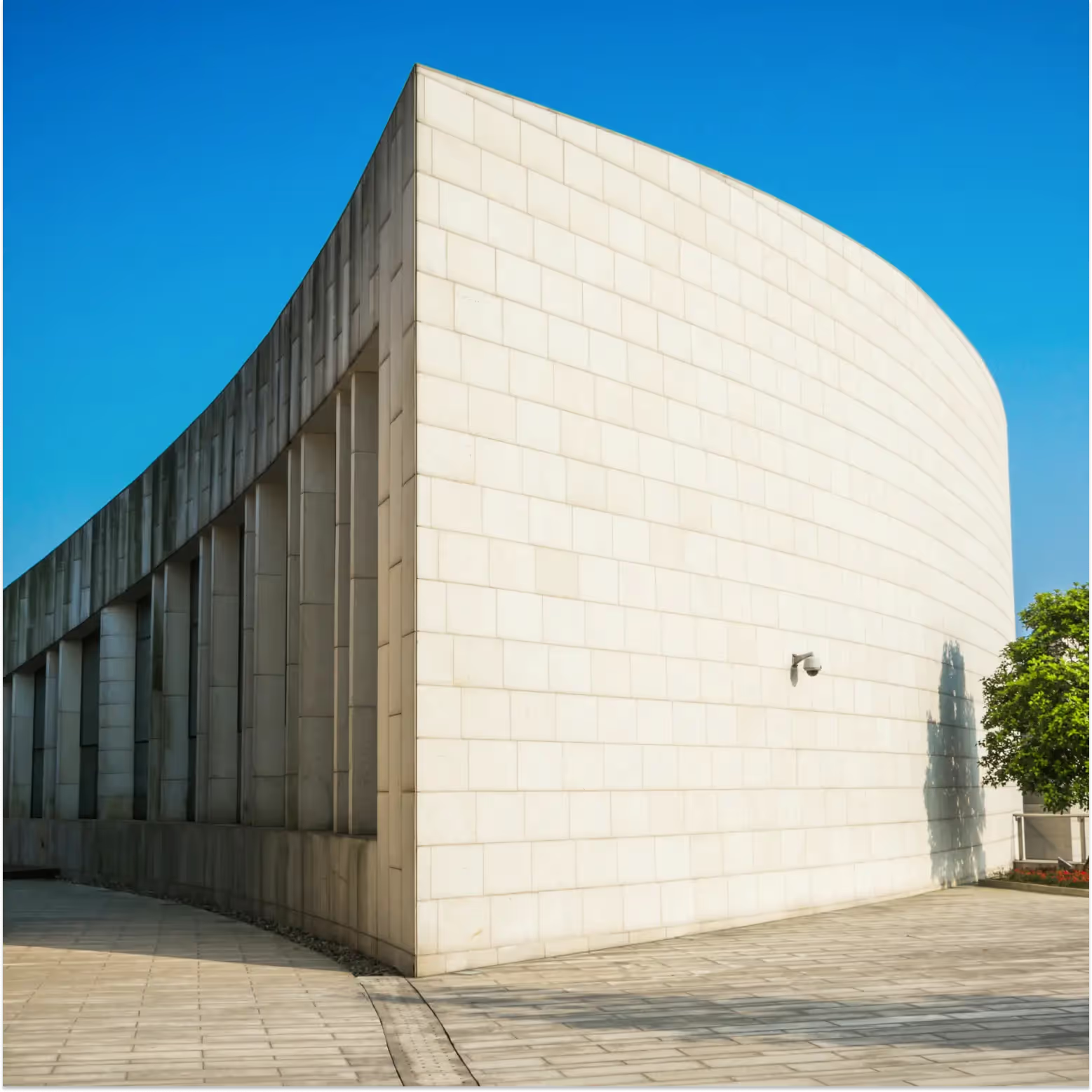
Colours can affect mood and perception, so architects leverage colour psychology to make structures more imposing or inviting. Cool tones like blue, white and grey complement minimalistic designs, adding sophistication and spaciousness. They work well with glass and concrete, and builders prefer them for tech parks and high-end retail centres. Rustic reds, terracotta and beige add warmth and make spaces more welcoming, which is why architects prefer these tones for homes and resorts. They also complement greenery, making areas especially calming and cozy. You’ll notice that art galleries, schools and community spaces often feature vivid pops of colour; these can infuse energy into a space and draw attention immediately. Think of the first emotion that you’d like the building to evoke, and finding the right palette becomes easier.
4. Design Trends
Buildings are statements made in stone, and they’re rapidly evolving to reflect the global tastes of Indian clientele. Scandinavian neutrals are having a moment, and are a popular choice for urban India’s SEZs, luxury villas, and software parks.
Similarly, biophilic design is gaining favour among architects who are keen to make their designs more sustainable; they aren’t just incorporating natural elements into their work, but natural tones as well. Industrial chic is now a common design influence in offices, malls and restaurants, but with an interesting infusion of colourful accents.
Colour is an essential tool that can enhance the aesthetics and the function of a building. Consider the space that you’re designing. What purpose does the building serve? What are the climatic challenges of the area in which it’s located?
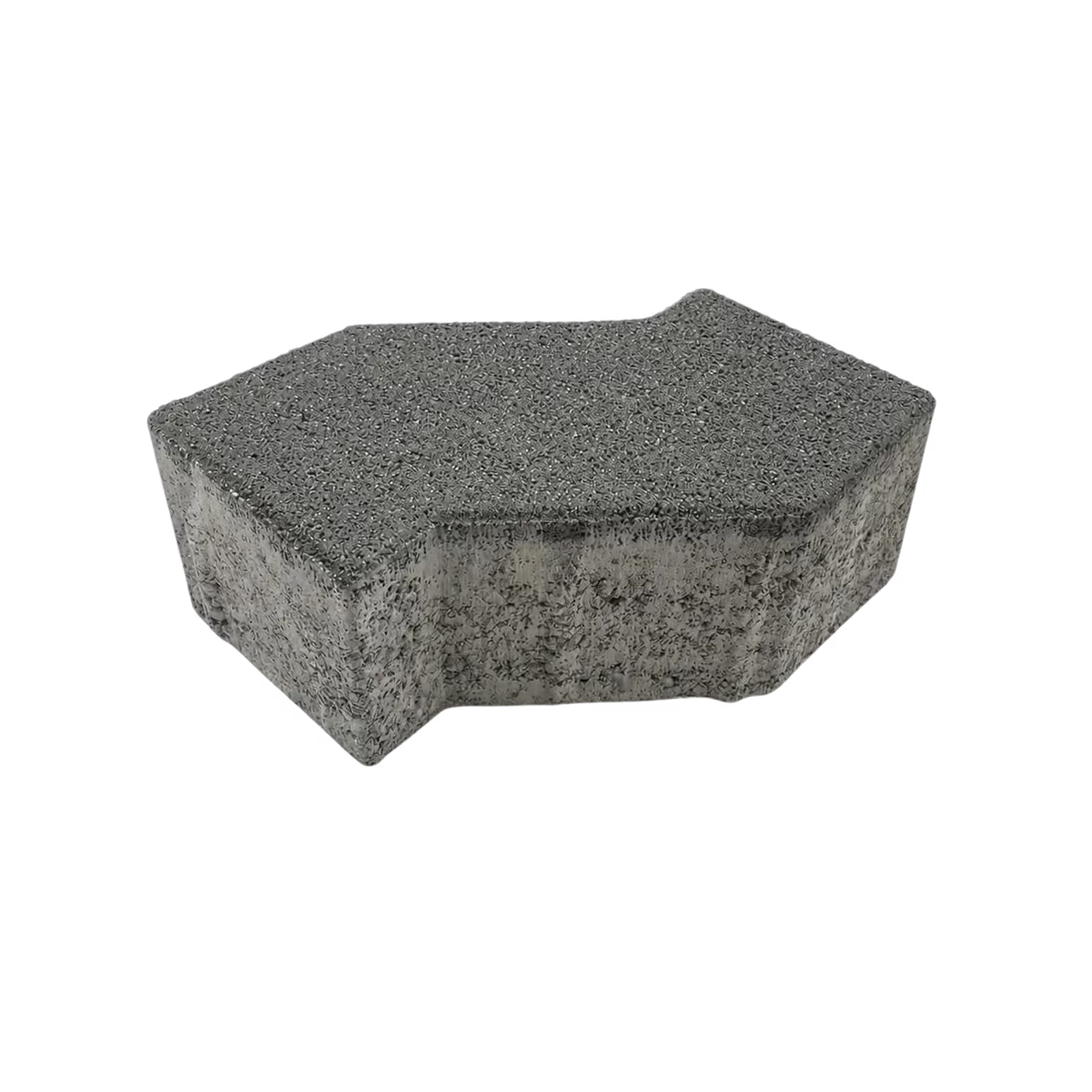
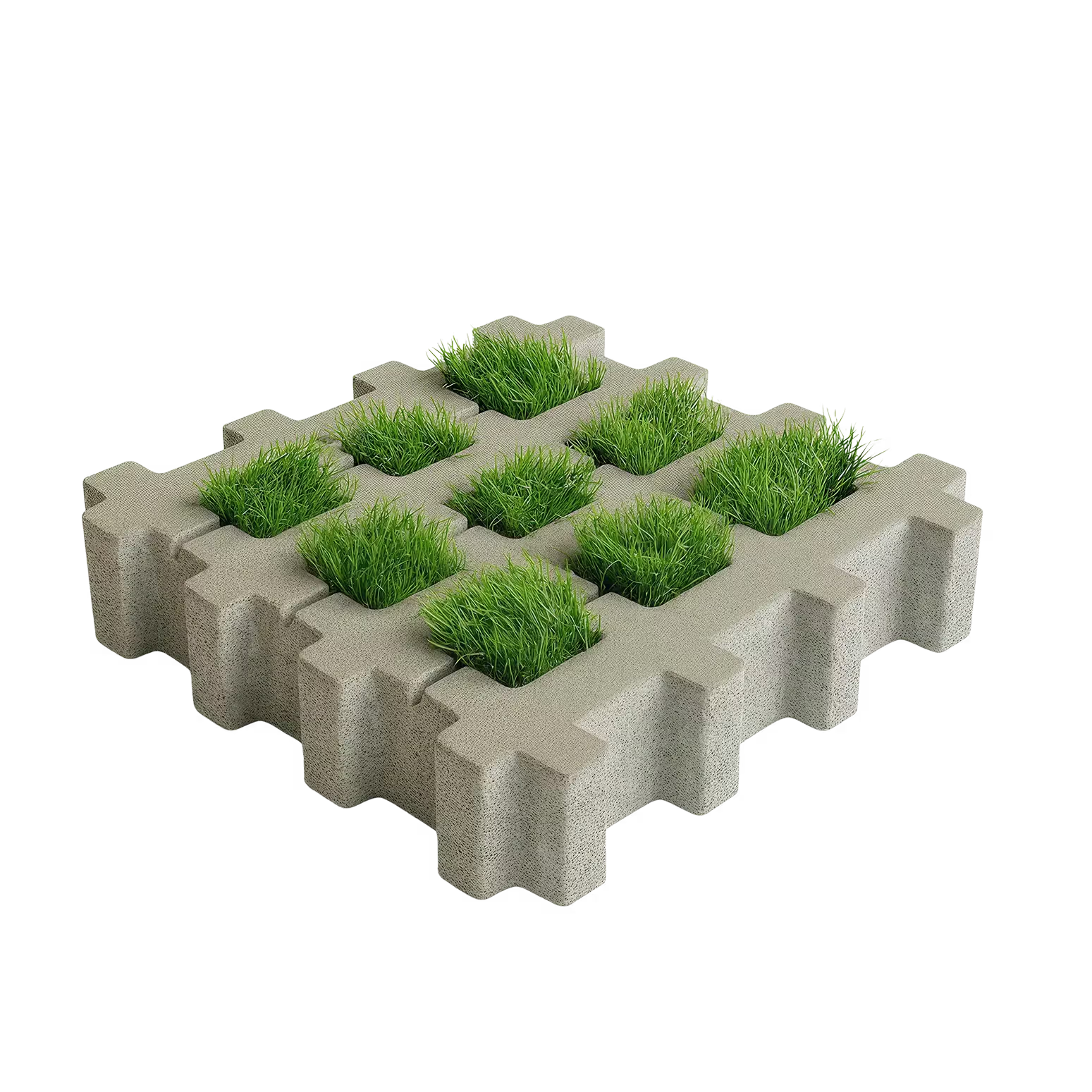
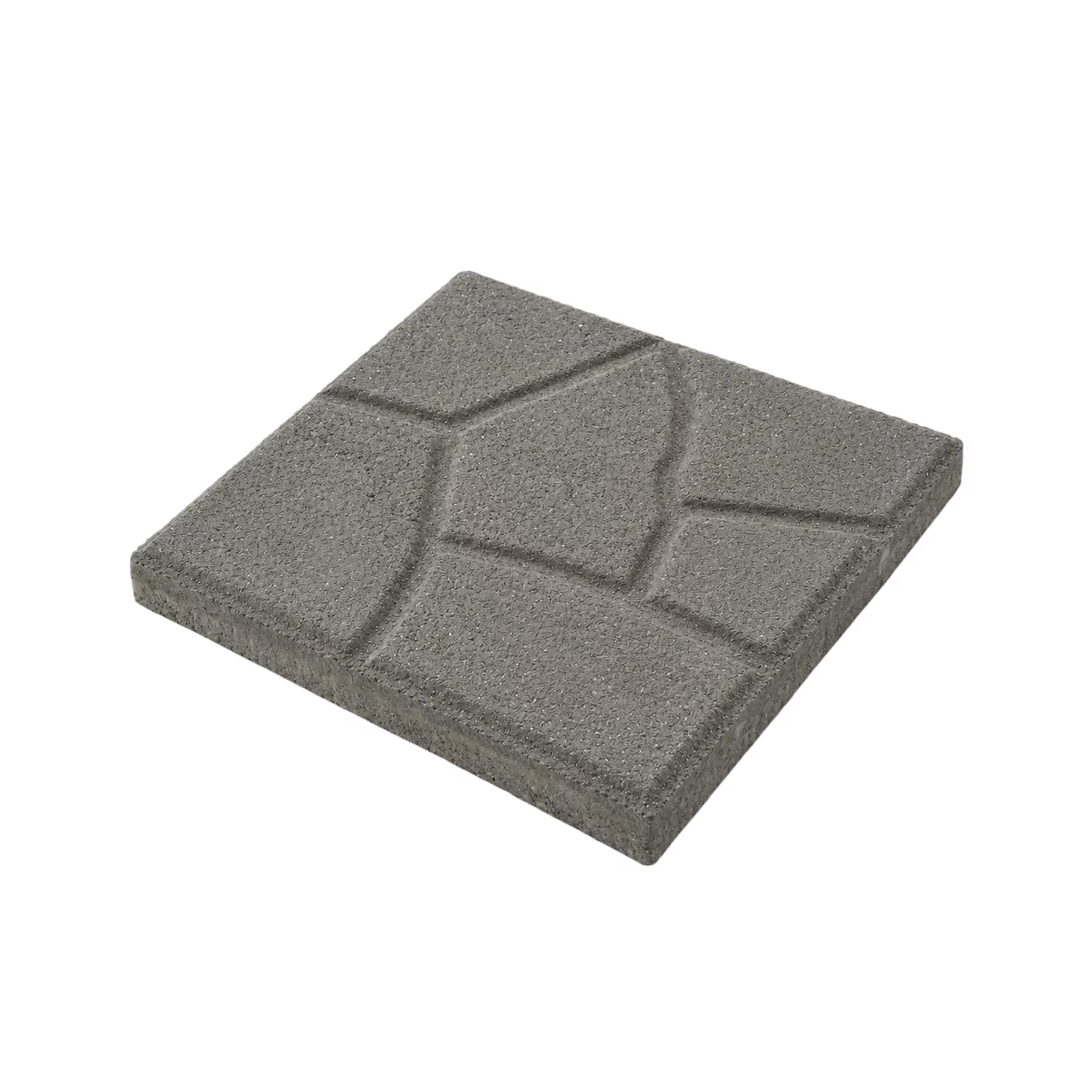
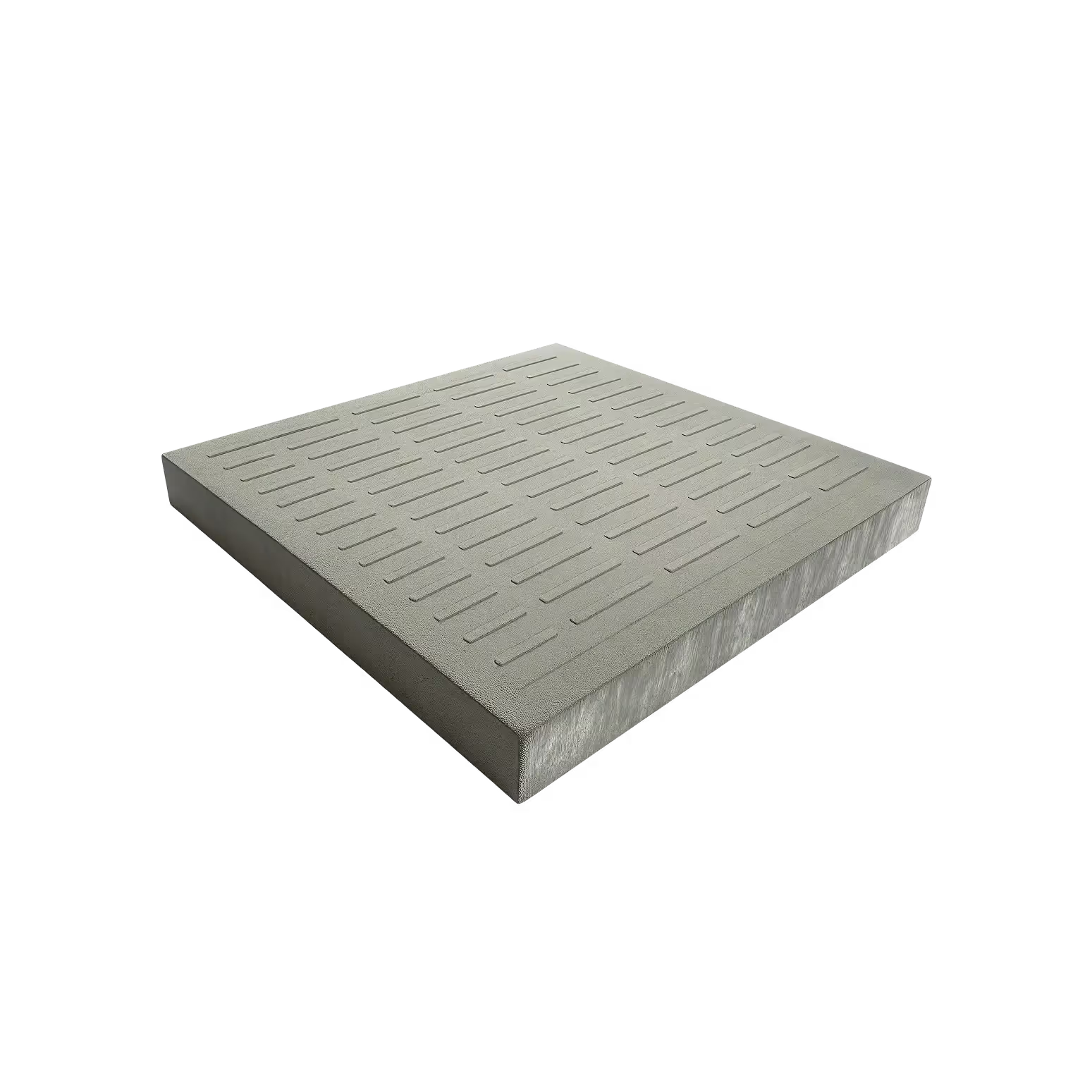
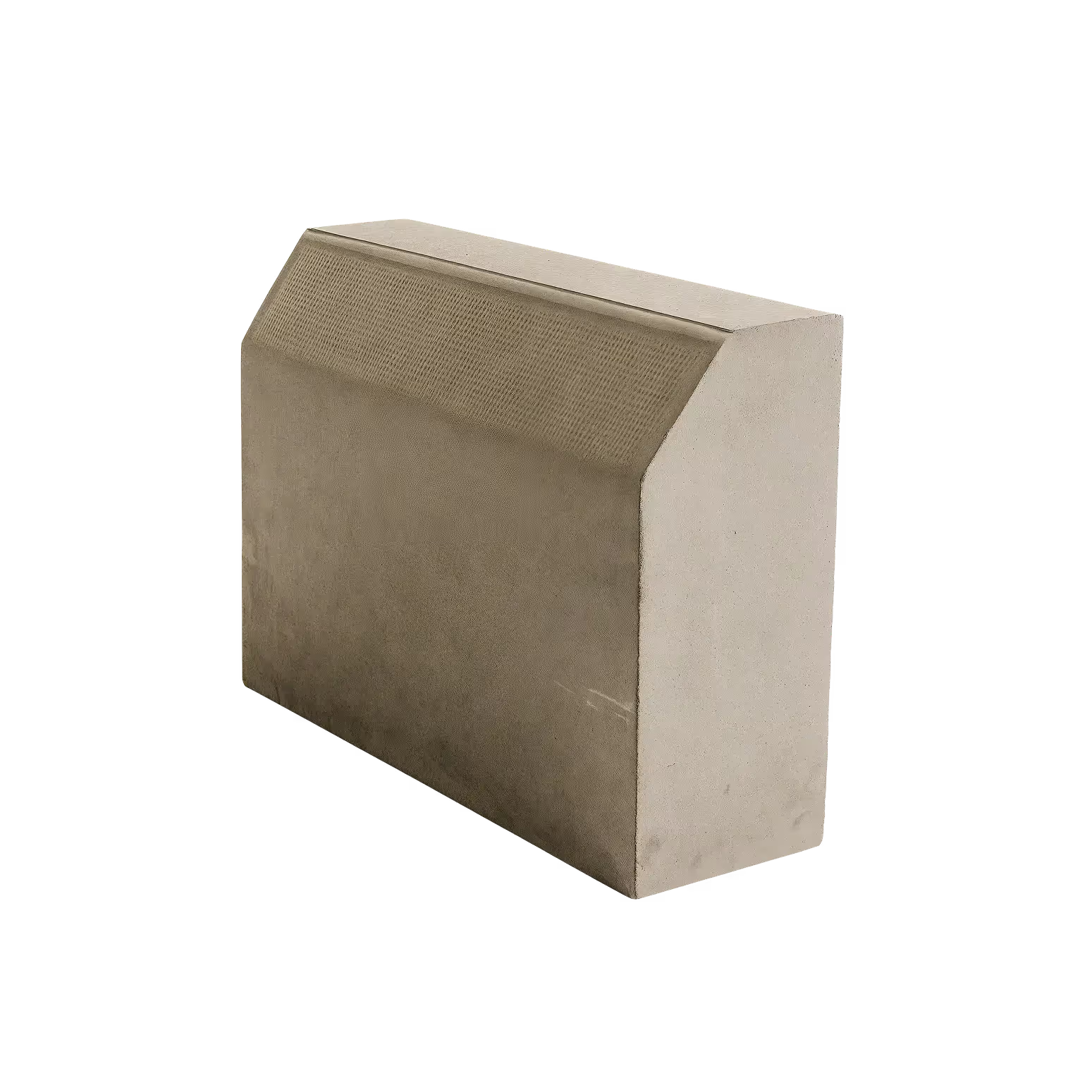
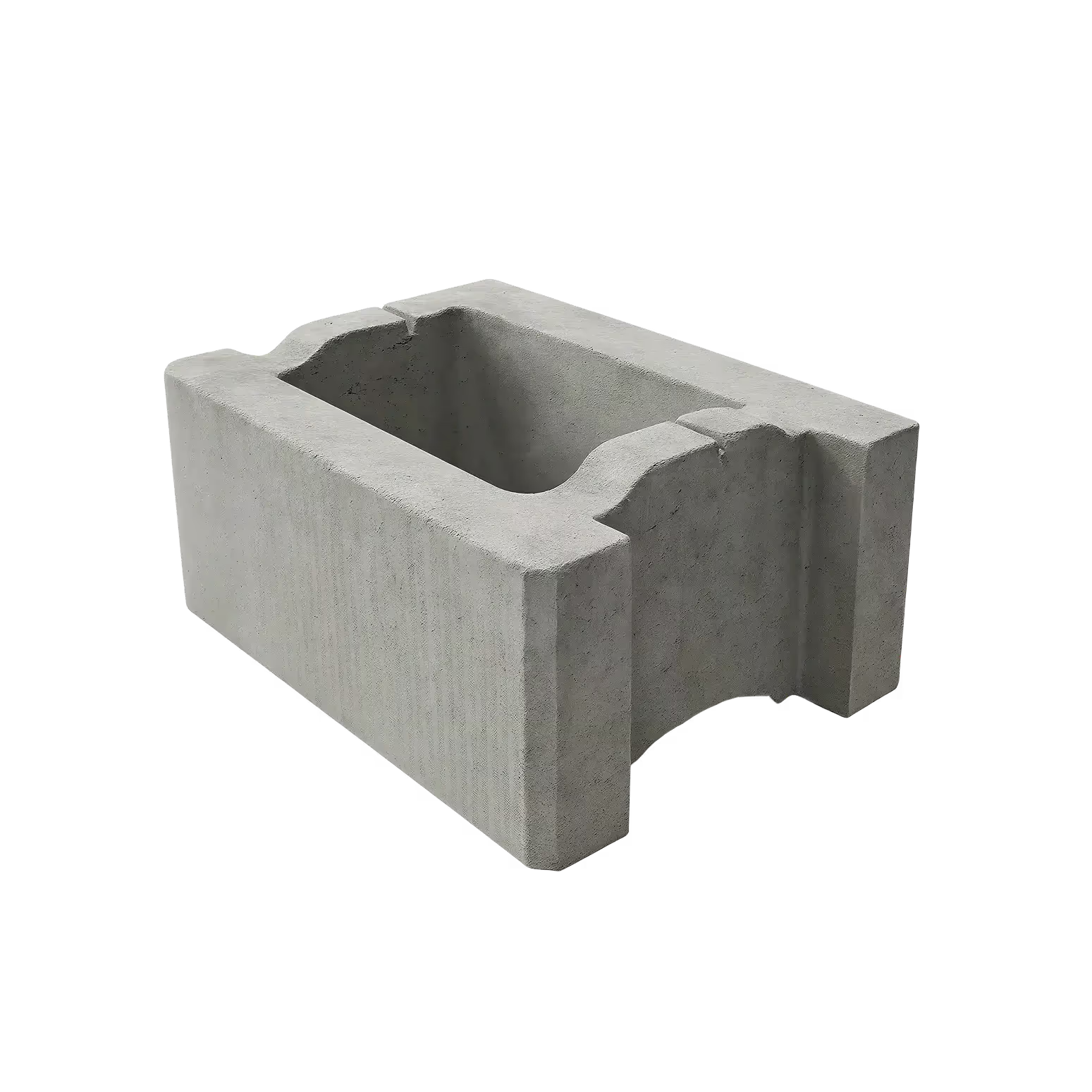
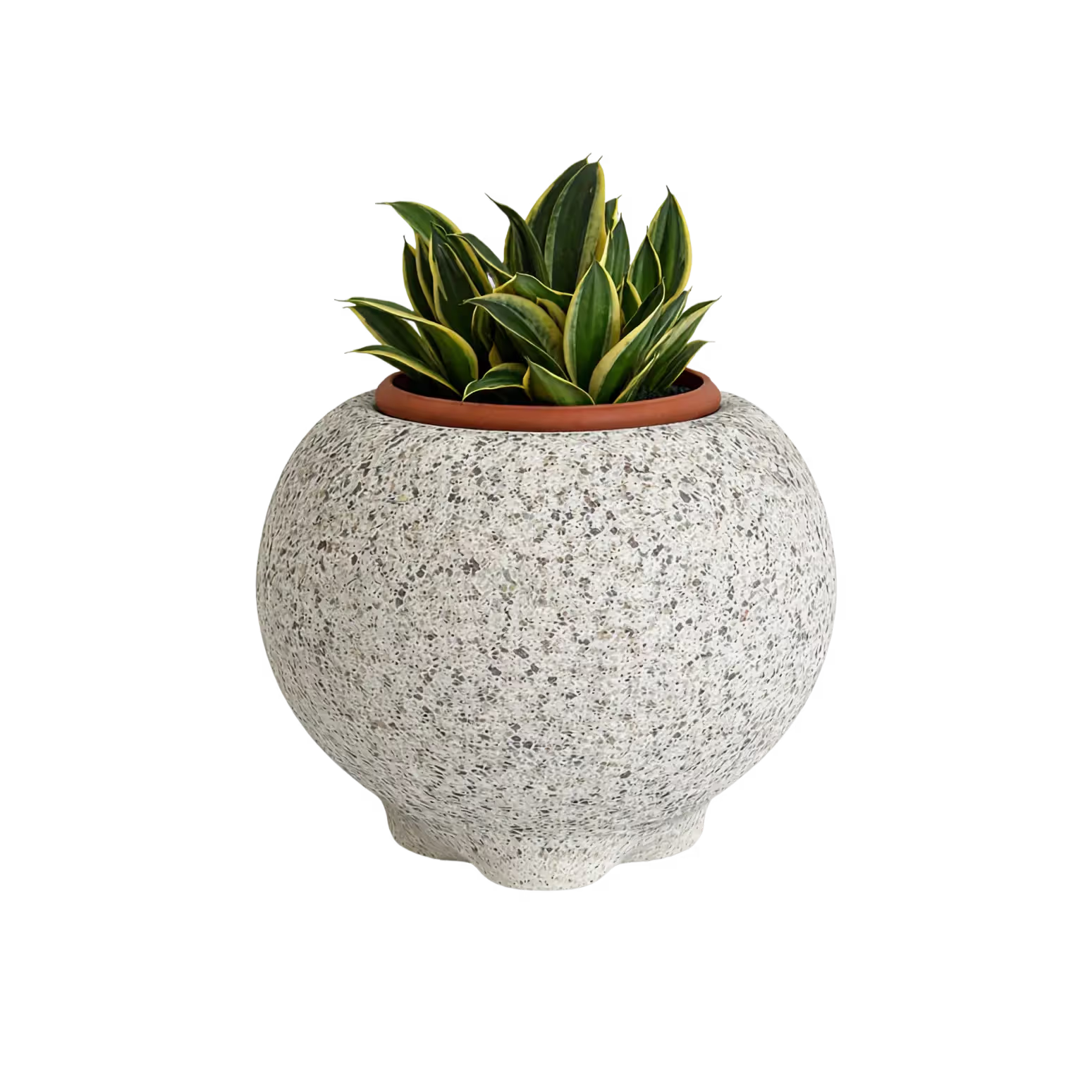
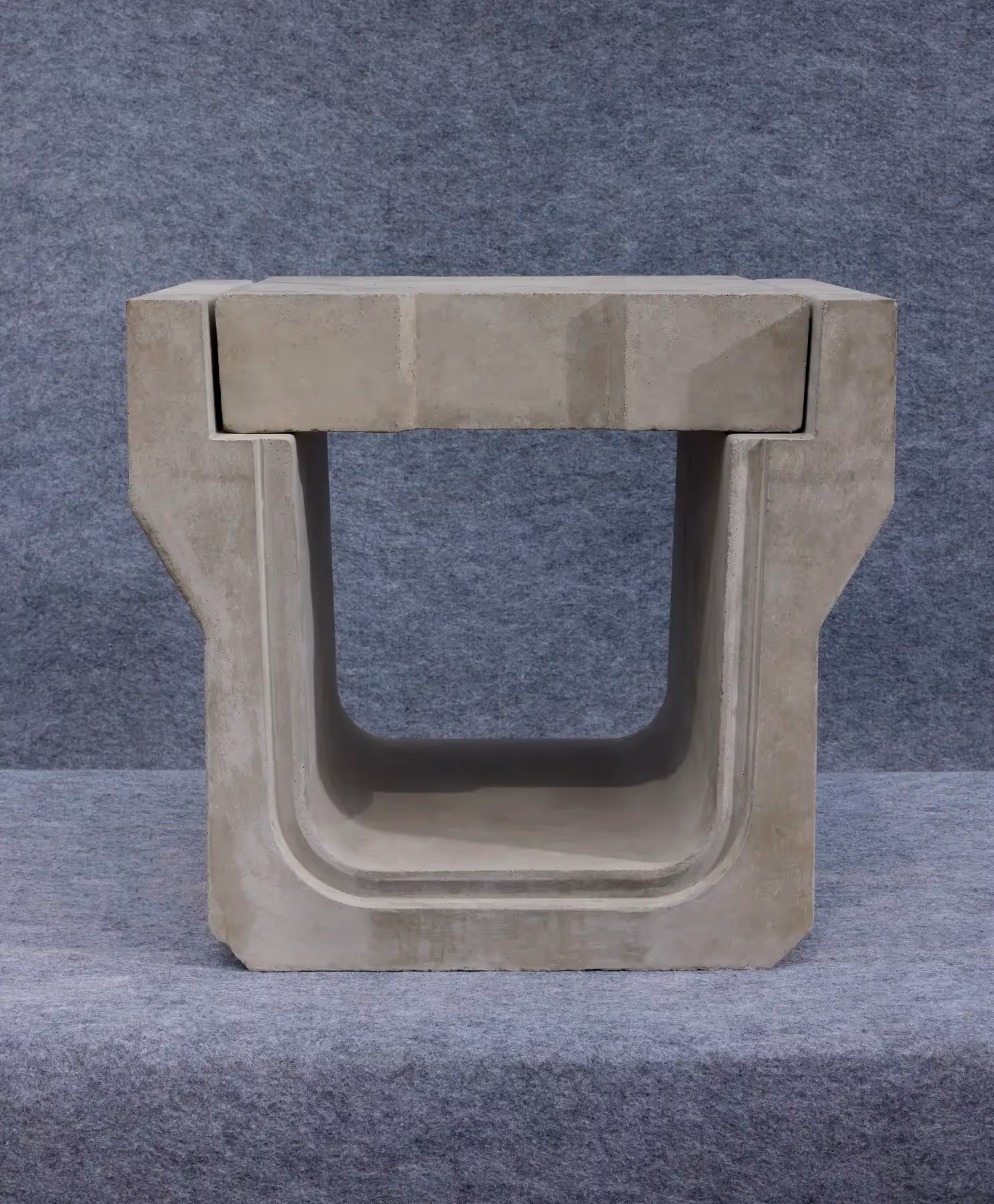
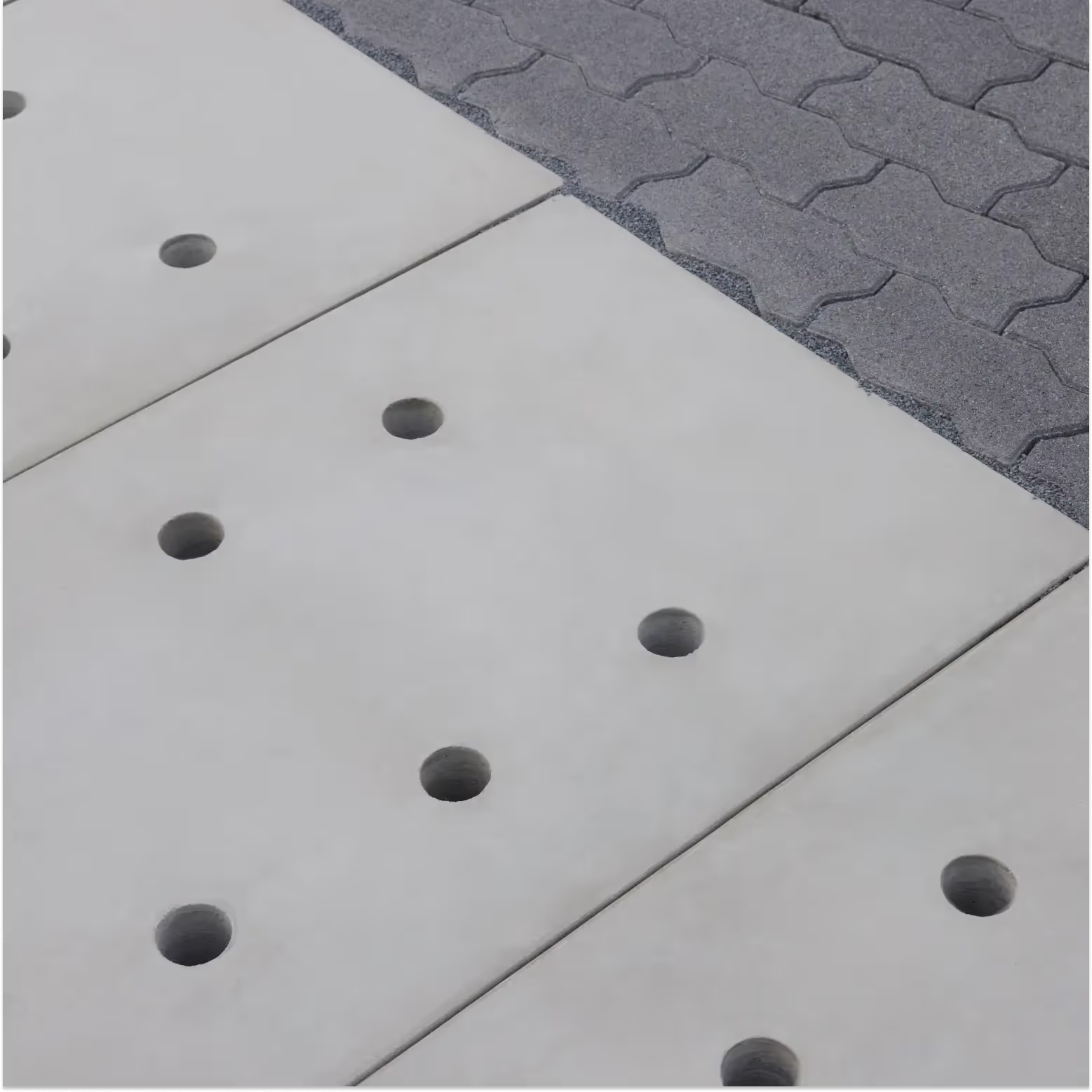
Once you’ve zeroed in the right palette for your project, don’t forget to extend it into the hardscaping elements as well. Not only do we offer pavers, kerbs and tiles in an array of colours, we can also customise them. Reach out to us today to find the perfect shade.