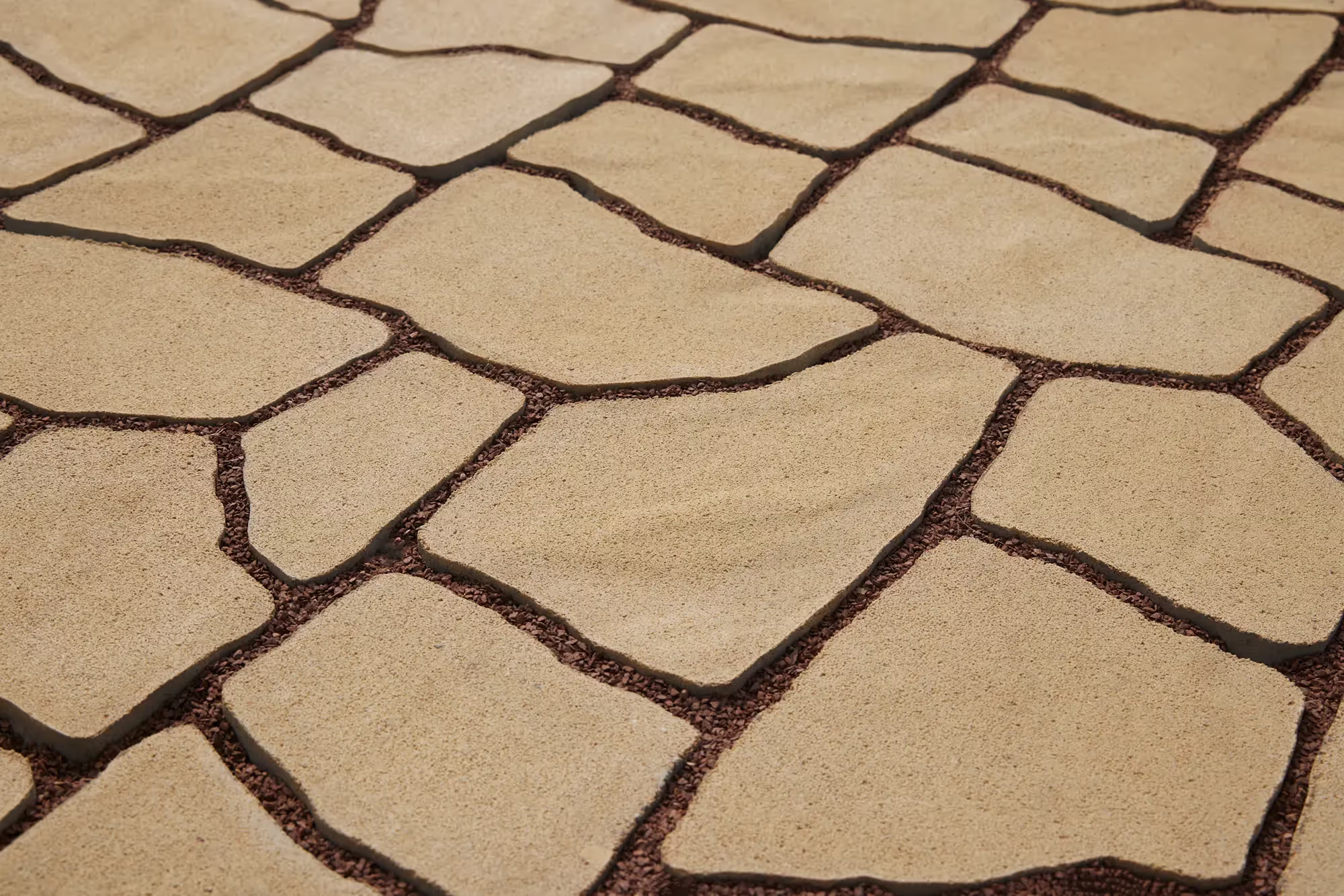
From mankind’s earliest days, interlocking has been a tried and tested method of increasing strength and creating new designs. In an astonishing discovery, archeologists found that ancient humans were building shelters by interlocking logs as early as 4,76,000 years ago!
Modern architects continue using this technique to create more durable structures, including hardscaping.
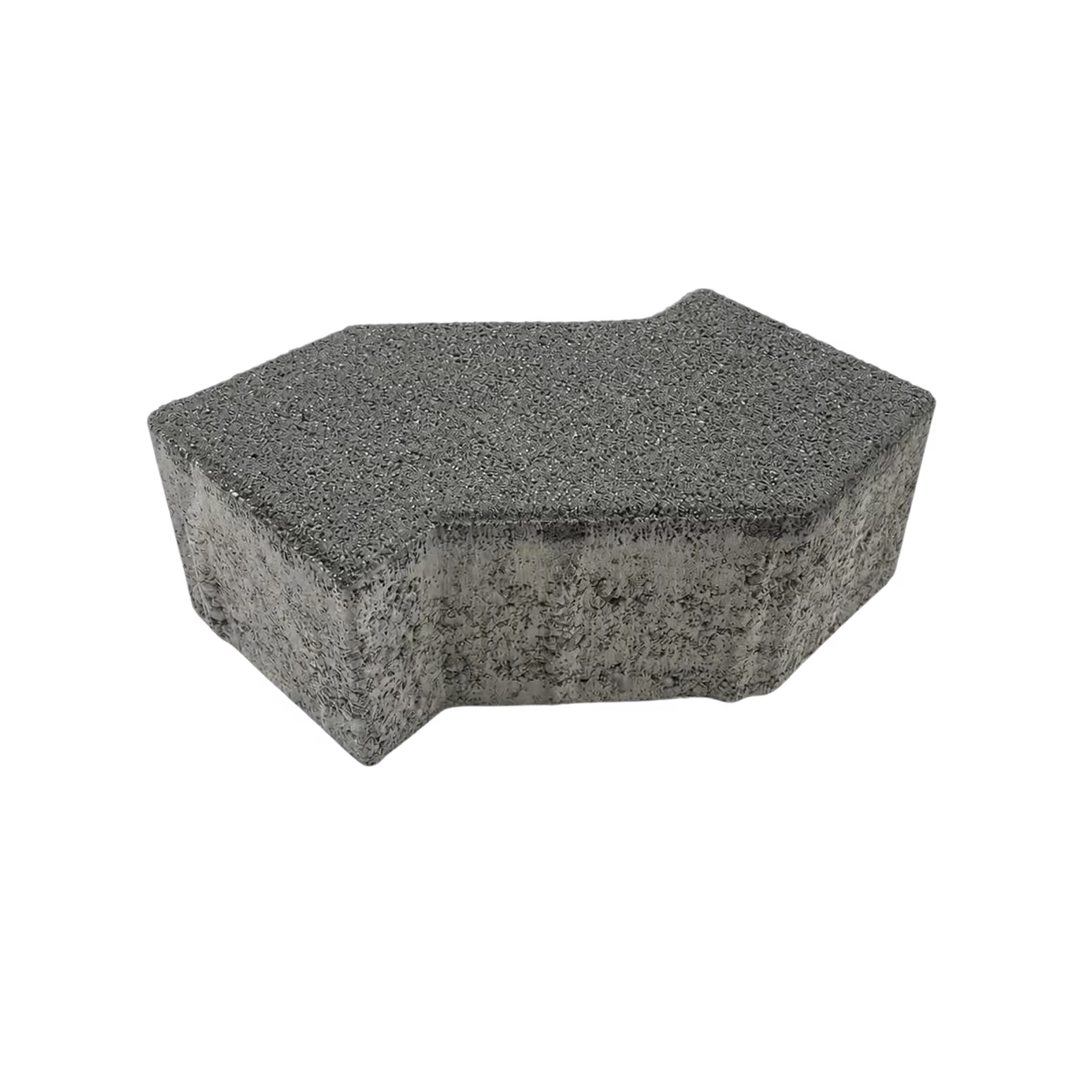
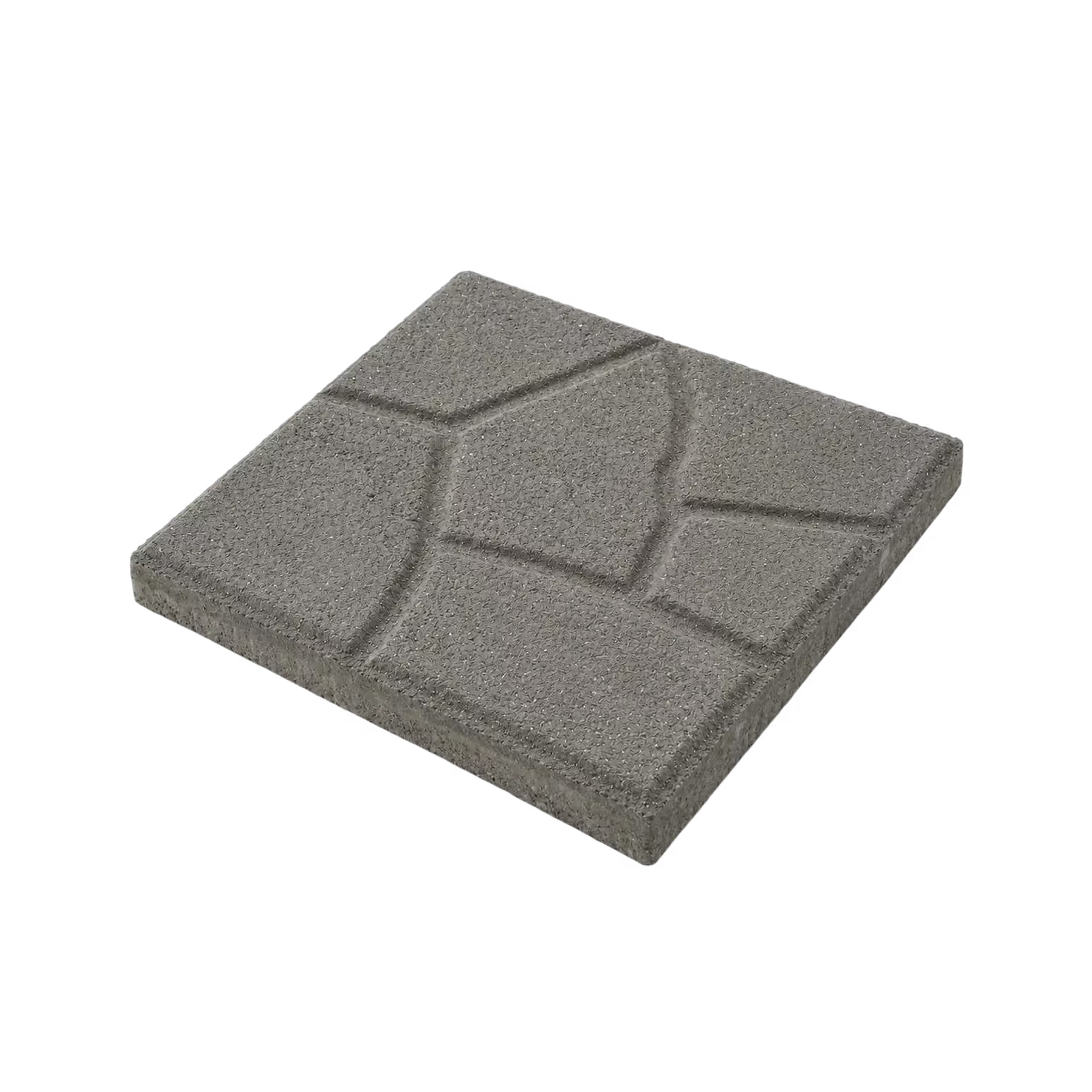
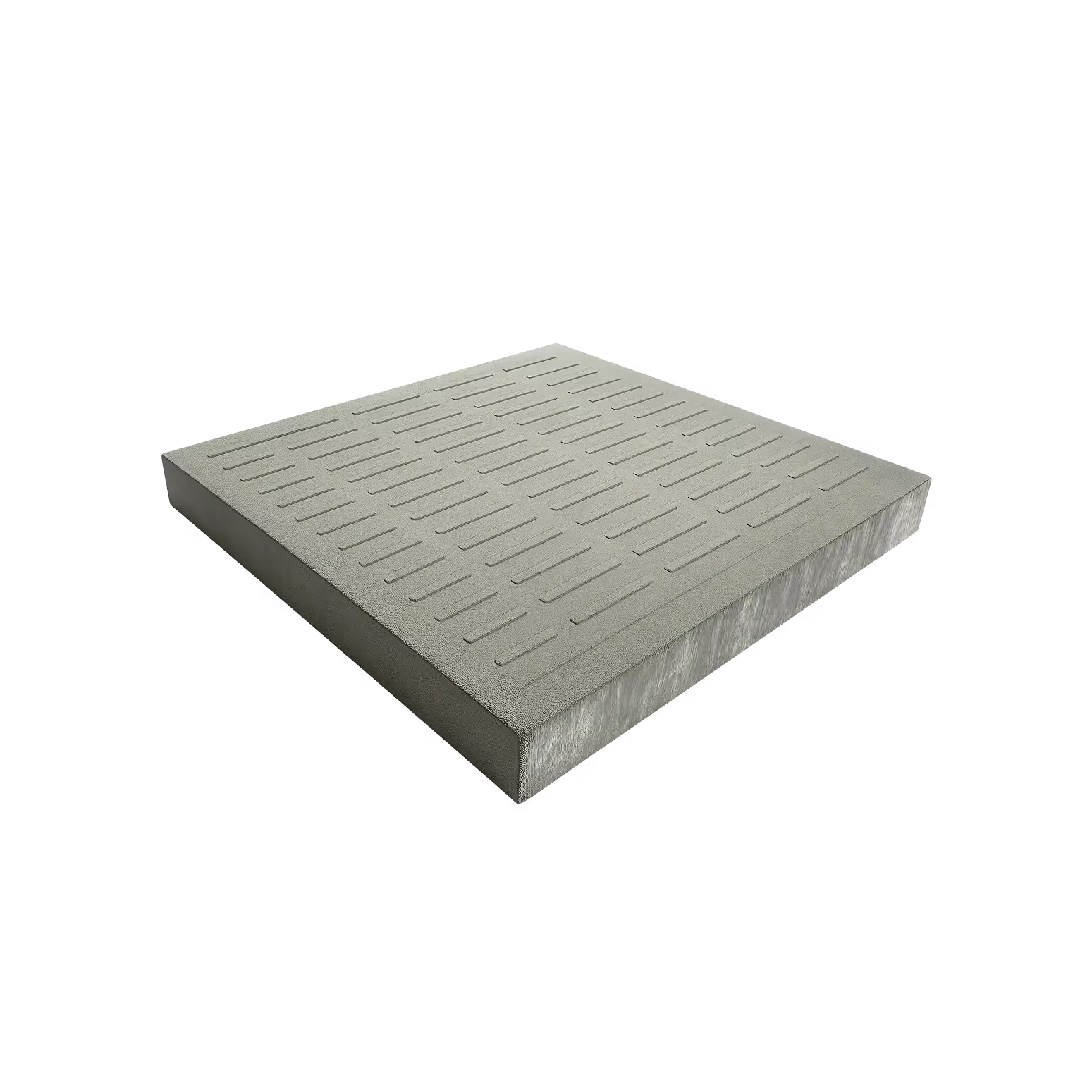
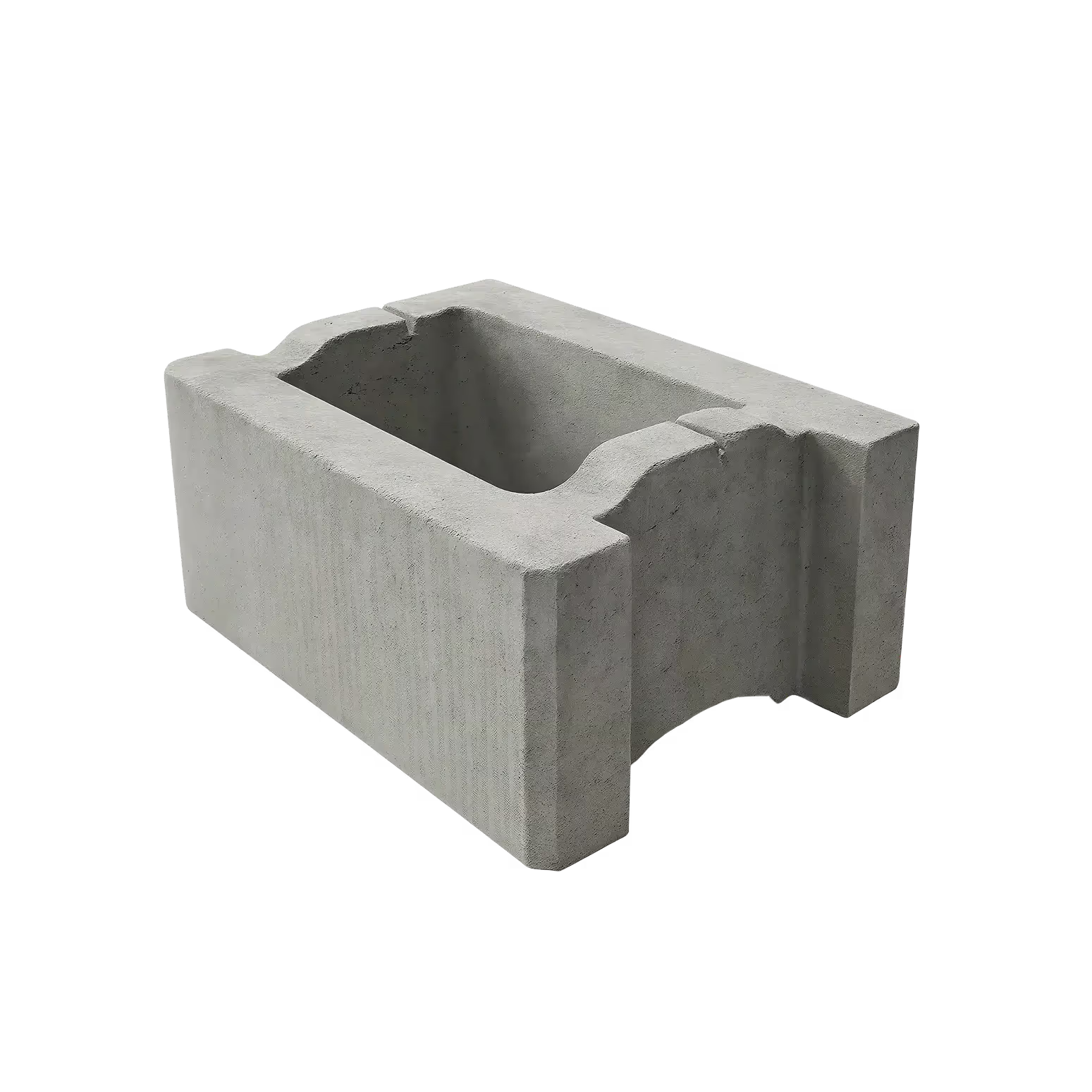
But first, what is interlocking? Quite simply, it’s the arrangement of pavers to make them interconnected, similar to a jigsaw puzzle.
Advantages
Architects in south India are partial to interlocking pavers because it’s an ideal solution to fluctuating weather and heavy traffic.
1. Durability in tropical conditions
Interlocking pavers can withstand coastal India’s heavy rains. Additionally, thermal expansion caused by the long, hot summers can cause the ground to shift. Interlocking accommodates these subtle movements without causing cracks in the paving.
2. Design versatility
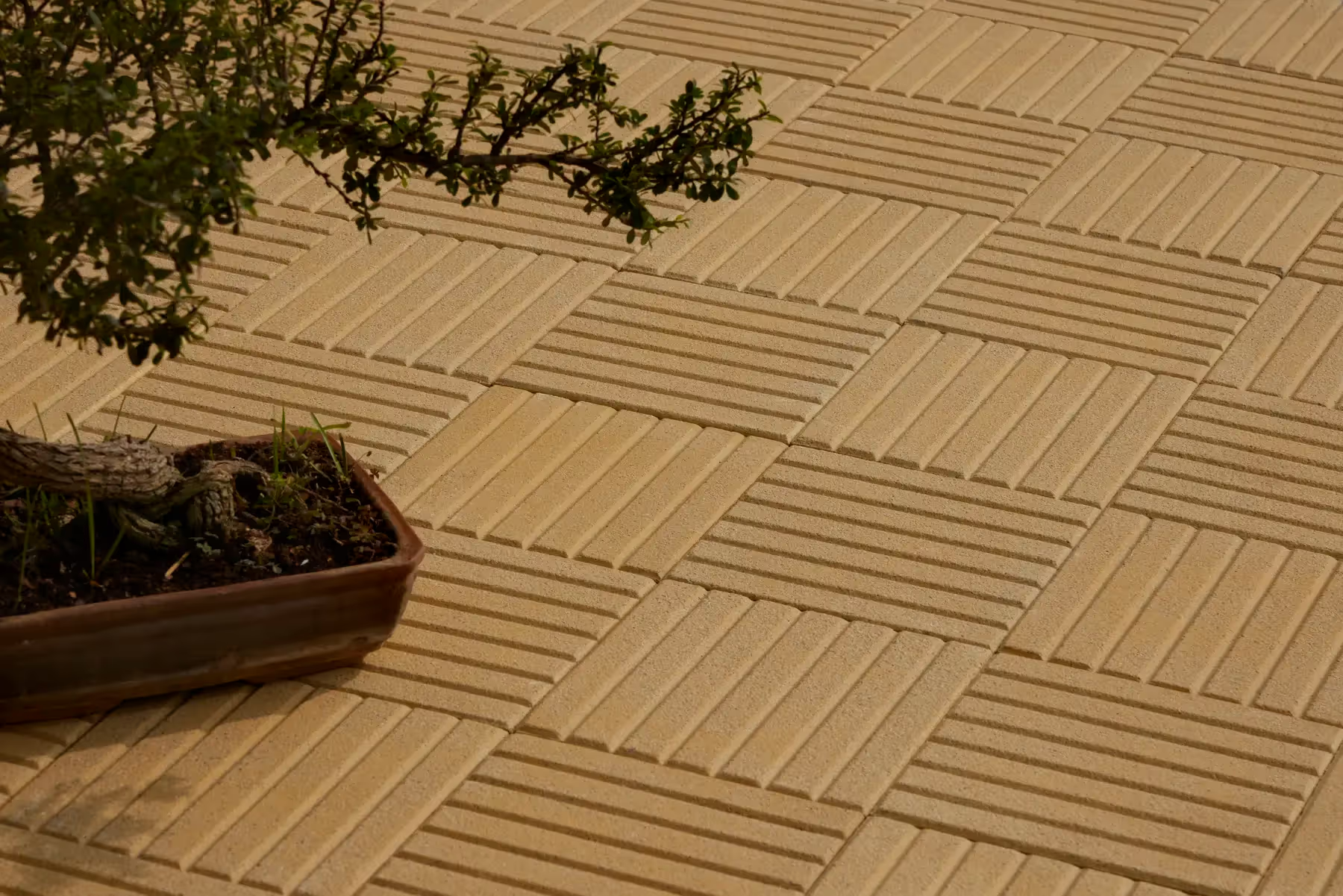
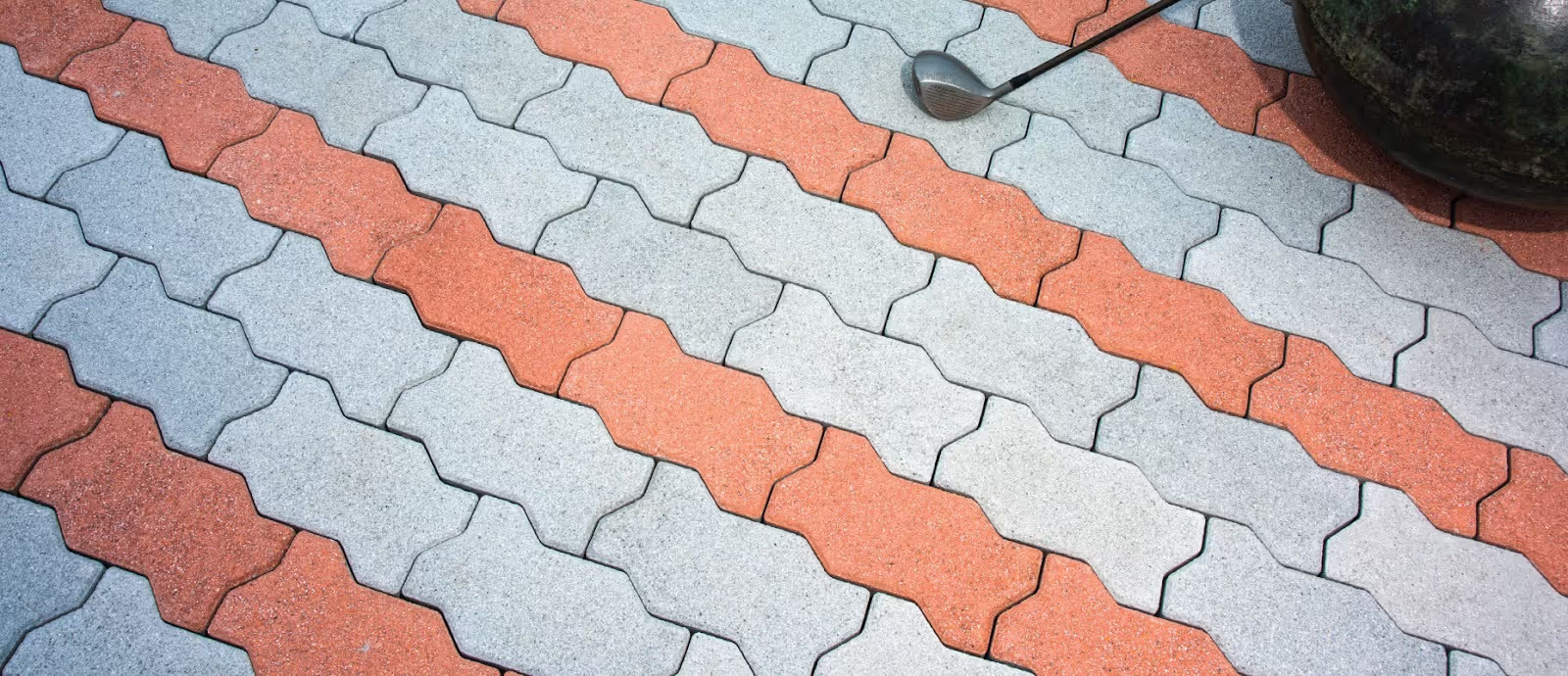
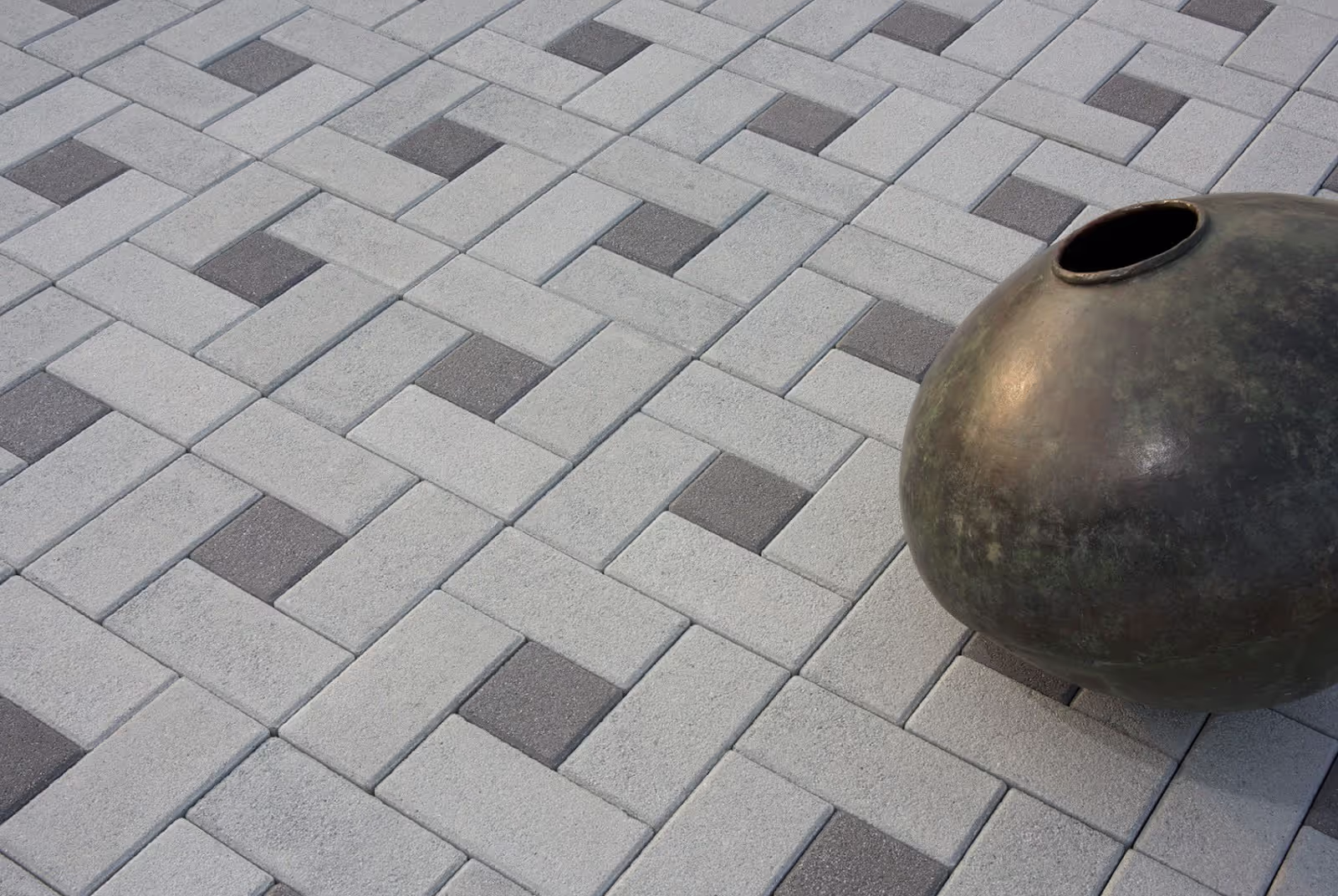
Basket weave, herringbone, zig-zag - architects can create an array of patterns by arranging the pavers differently. The options don’t end at placement; designers play with a wide selection of colours to make their projects stand out.
3.Enhances water drainage
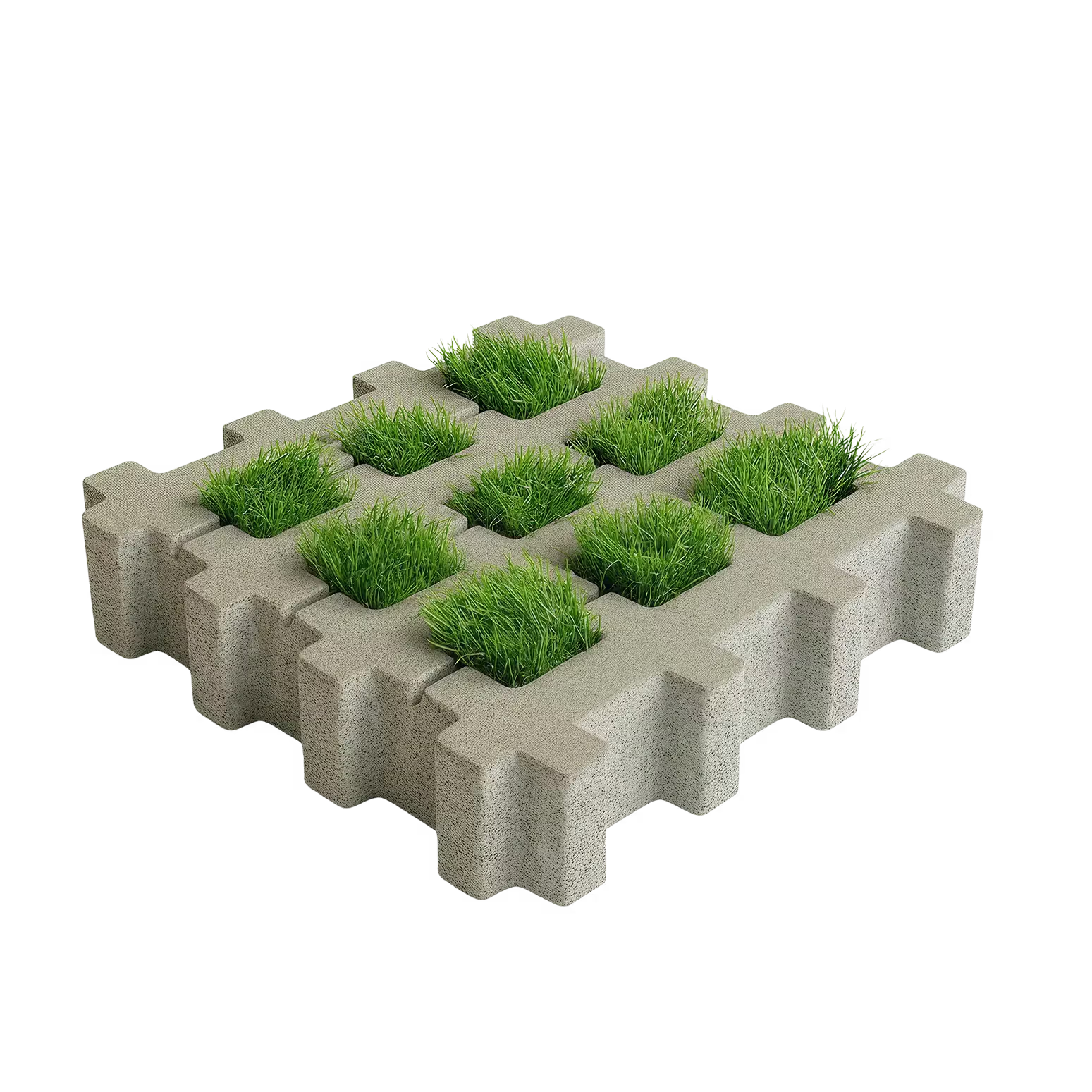
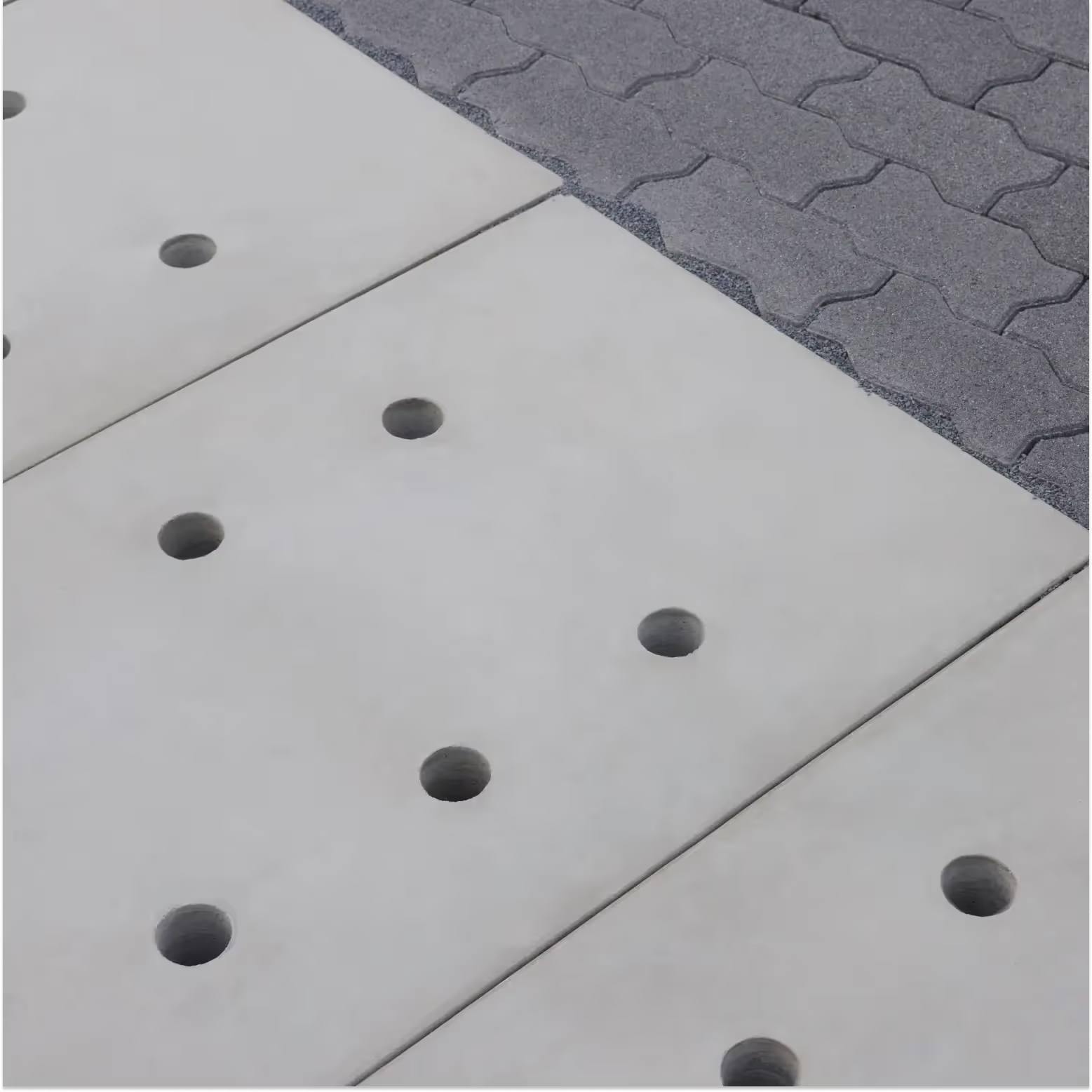
The joints between the interlocked pavers as well as underlying layers can be filled with gravel and aggregates to divert water into the soil. Permeable pavers are especially recommended for this purpose.
4. Low-maintenance and long-lasting
Interlocking not only increases durability, it also reduces the amount of upkeep that’s required. Moreover, damaged pavers can be easily replaced without having to overhaul the entire paving.
5. Slip-resistant
The stable, resilient surfaces created by interlocking also improve grip, which is important to consider in high-rainfall zones. Slip-resistance can be further enhanced by choosing rougher finishes such as shot-blasted textures.
APPLICATIONS
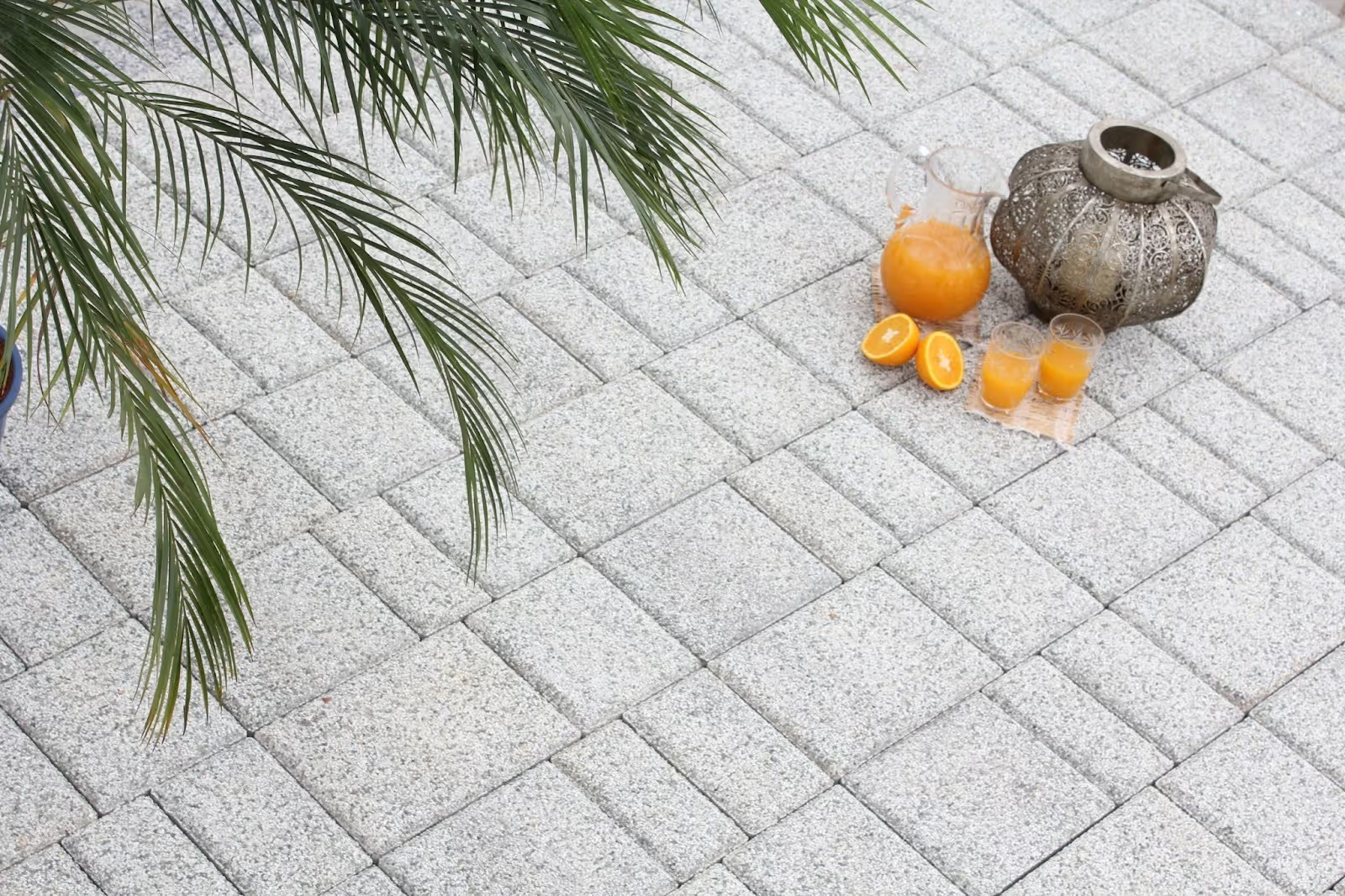
Architects specifically choose interlocking pavers for areas that are prone to heavy wear and tear. Driveways and footpaths are at the top of this list, followed by public plazas and community spaces in residential projects. They can be especially effective in outdoor spaces that are exposed to heavy rainfall and intense heat.
Durability aside, interlocking also has great aesthetic appeal. Designers enjoy getting creative with patterns, combining colours, creating gradients and experimenting with placements. Poolsides can be made more colourful, patios more elegant and entryways more memorable.
Since Basant Betons began in 1977, architectural trends have undergone many changes. Yet, interlocking pavers continue to be among our bestselling hardscaping products. It’s proof that their durability extends not just to strength, but style as well.