.avif)
The walls between indoor and outdoor spaces are, quite literally, coming down, as are the distinctions between their trends. 2025 will see architects and homeowners leaning towards similar inspirations and applying a more holistic approach to design.
Functional spaces such as driveways and leisure zones like patios, gardens, and pools are now being included in conversations about colour, texture, and sustainability.
So, here are the top trends that will influence architects this year.
1. Climate-Adaptable Solutions
“How can we prevent seasonal flooding?” “Is this better for rainwater harvesting?” With warmer temperatures, frequent water shortages, and unseasonal rains, architects are grappling with these questions more often.
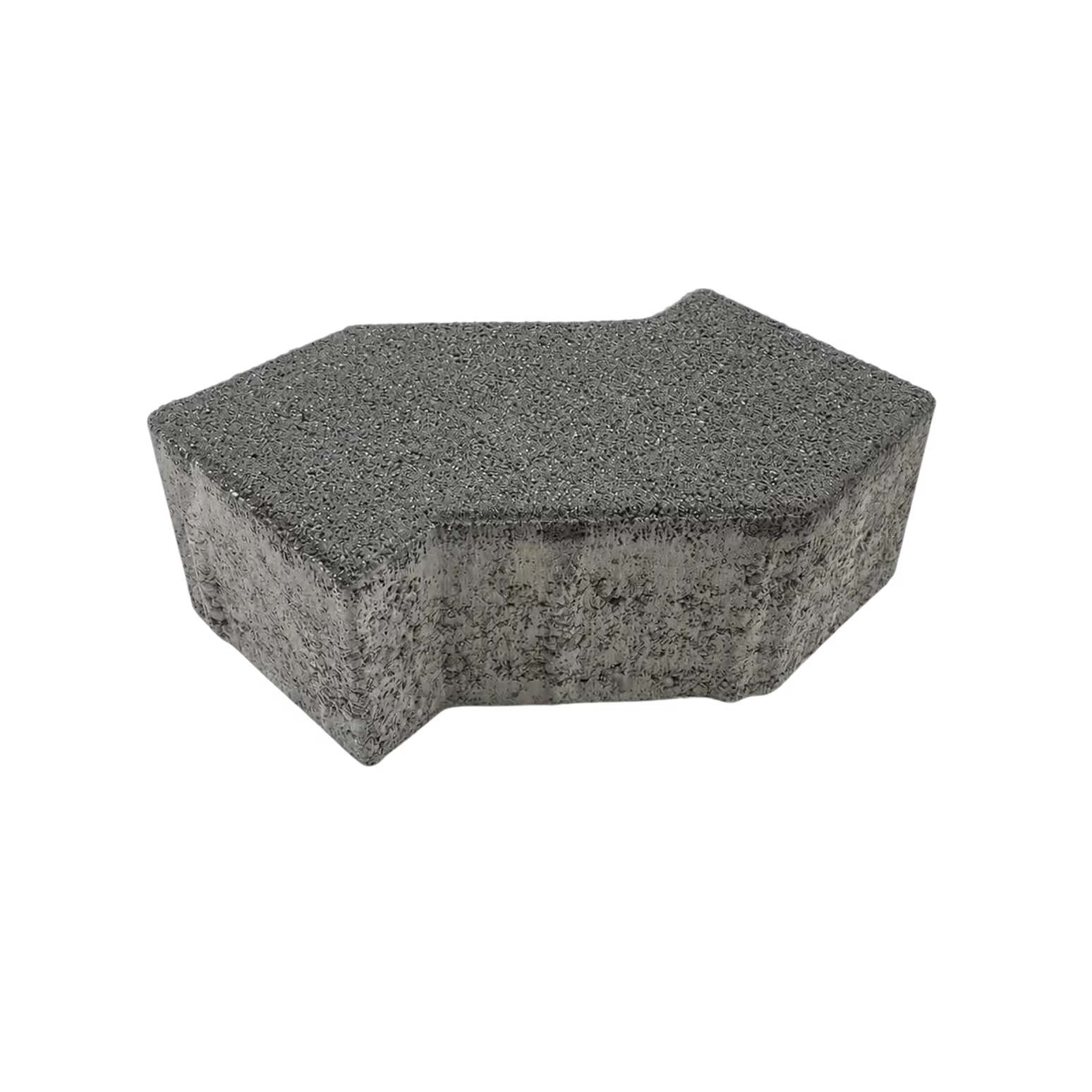
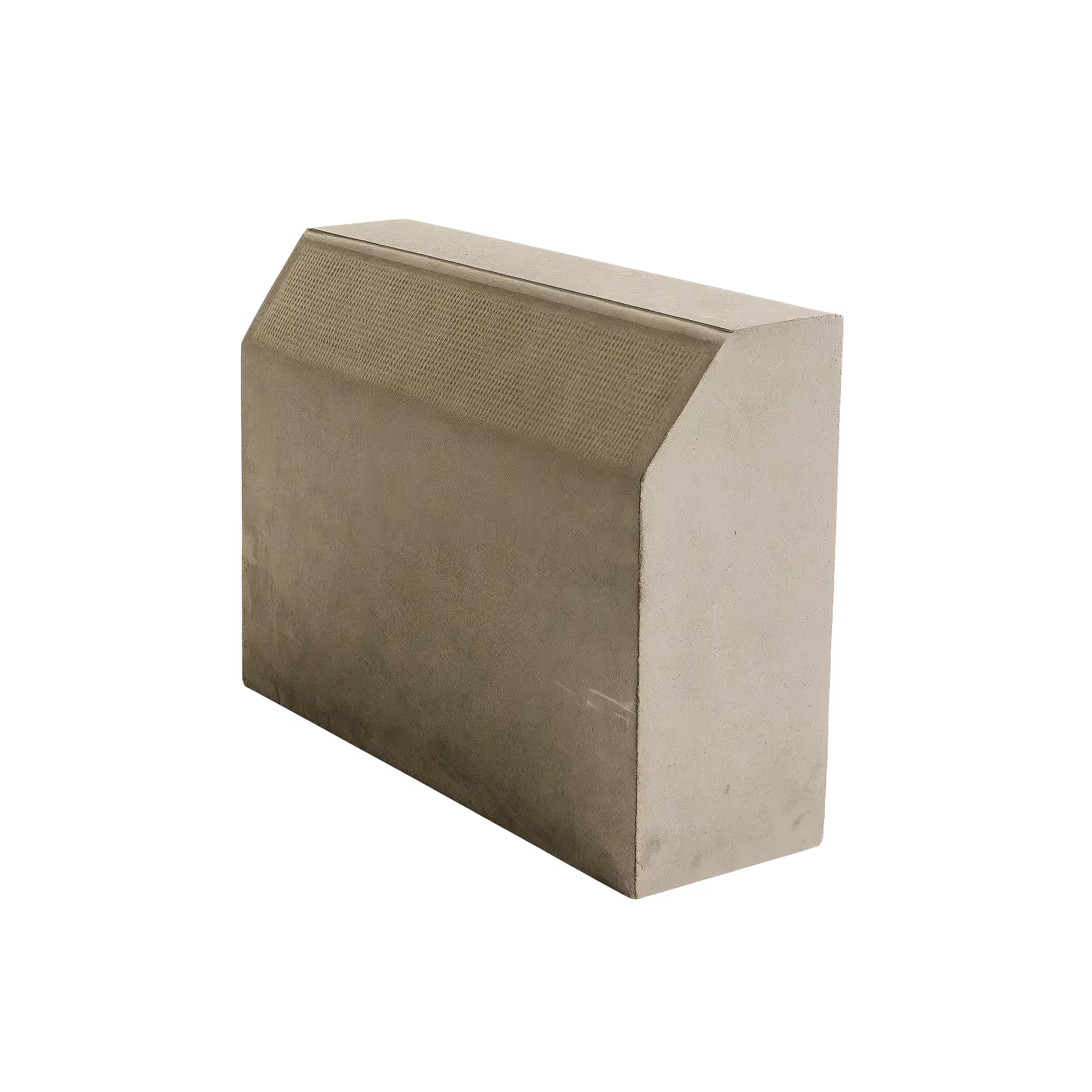
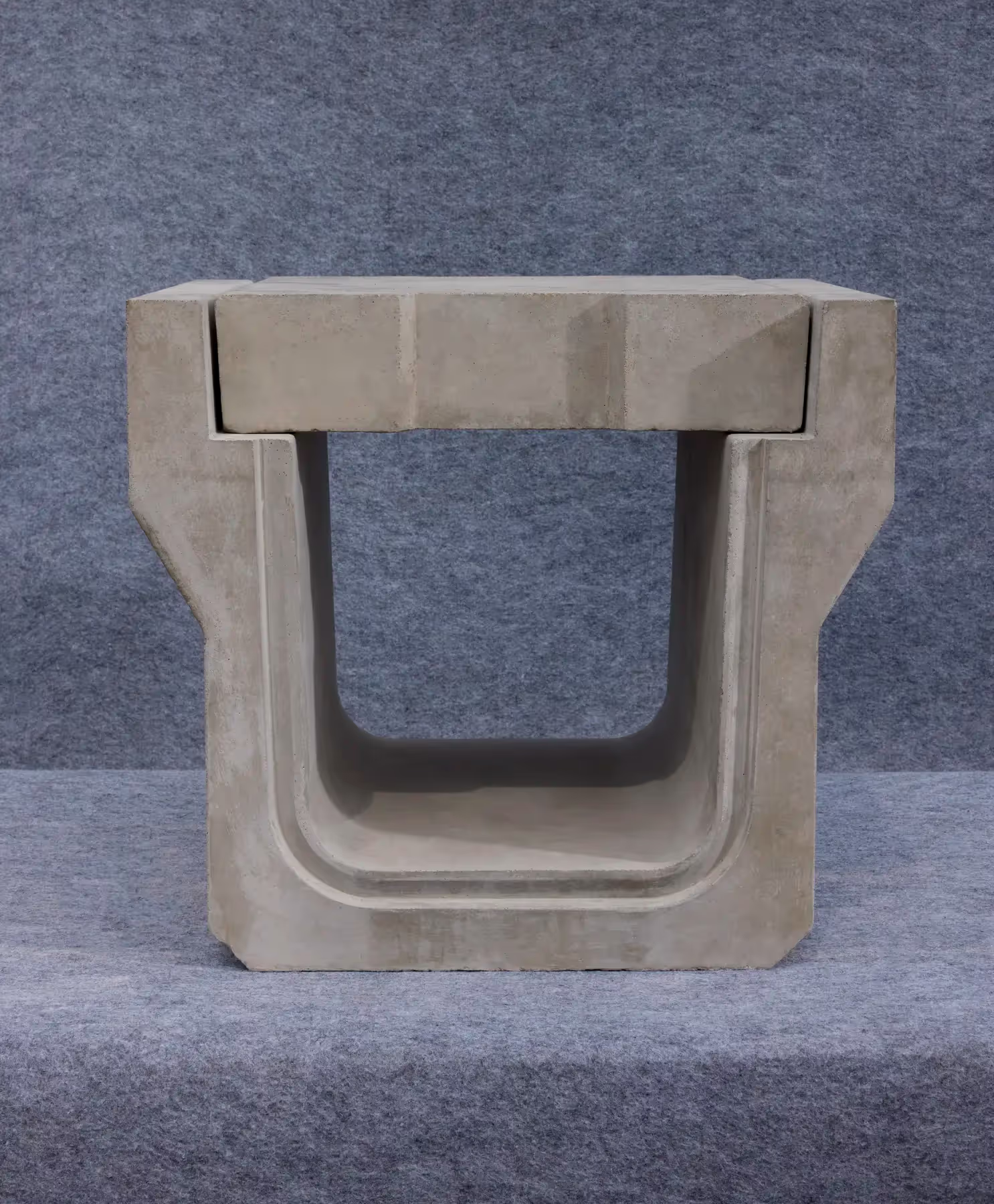
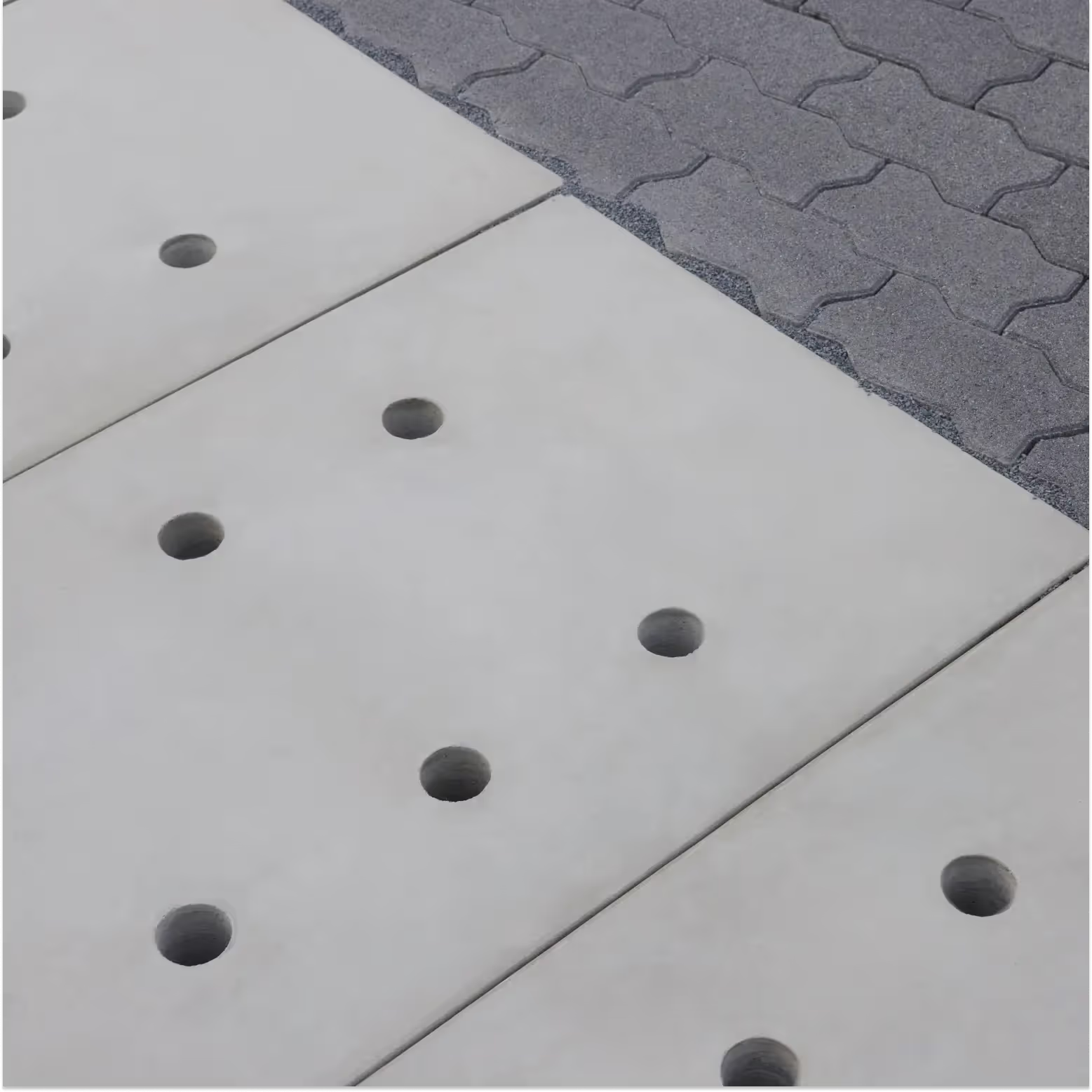
In response, hardscaping experts are suggesting permeable paving solutions. This involves using porous material or interlocking pavers with empty cores for driveways, parking lots, and lawns. Permeable pavers such as Ecoloc and Artline channel water into the soil and reduce storm water runoff. Retaining walls and kerbs, meanwhile, can prevent soil erosion and smoothly divert water into drains.
Hardscaping products that enable better absorption to replenish groundwater and prevent structural damage will only become more popular.
2. Multilevel Hardscaping
Architects are transforming outdoor spaces into areas that support entertainment and socialization. Think terraced patios that double up as lounge areas and outdoor bars that overlook pools.
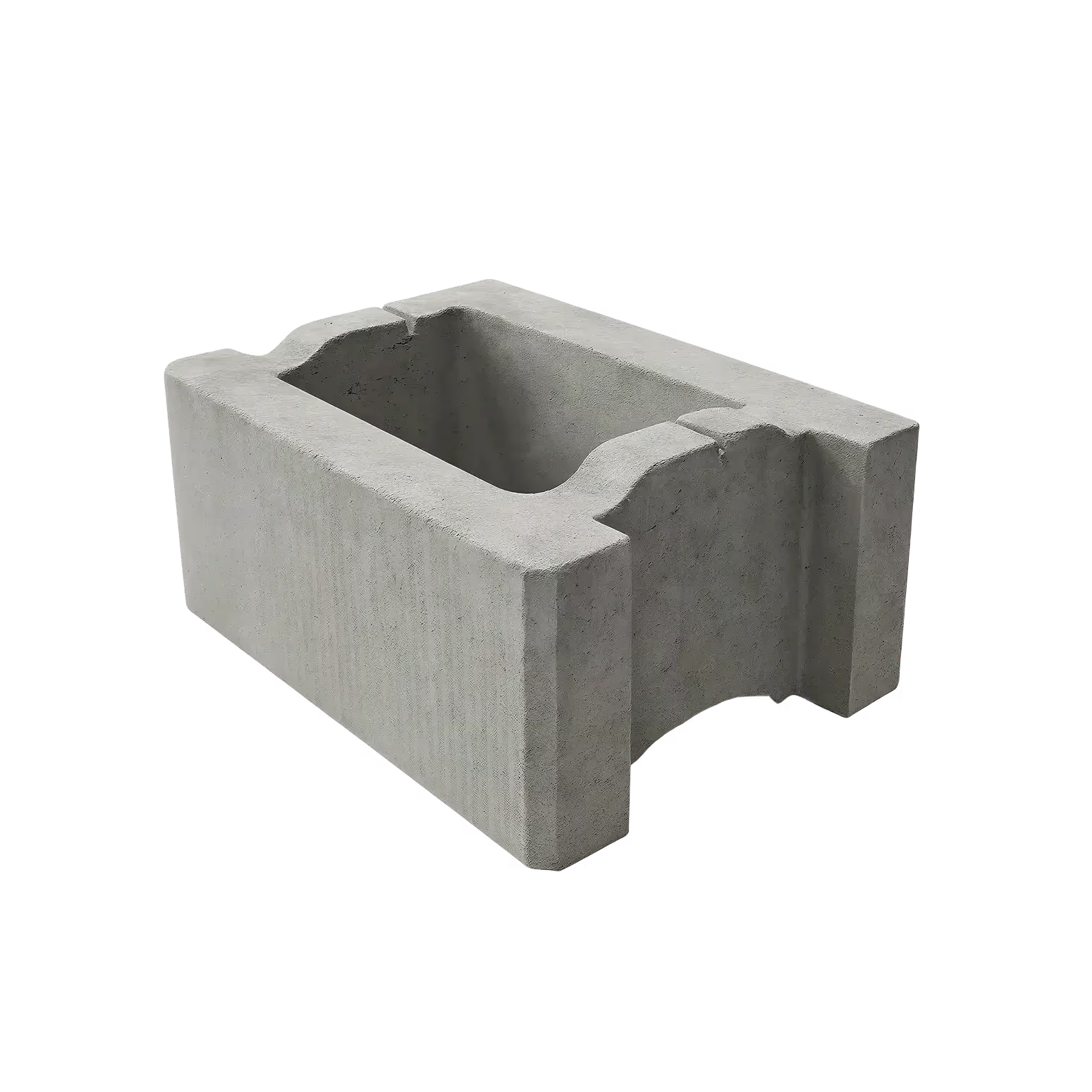
Multilevel hardscaping, such as retaining walls, can help add more dimensions and storage options, especially in compact spaces. They also produce levels that can be used creatively to achieve a seamless transition between indoor and outdoor spaces.
3. Vertical Hardscaping
India’s fastest growing cities are Hyderabad and Bengaluru, and the rising population density is driving the need for space-saving structures that also reduce noise, offer privacy, and add greenery.
Enter vertical hardscaping. Retaining walls and trellises are in focus as home- and business-owners look to utilise limited spaces effectively and make urban living more pleasant.
4. Organic Shapes and Textures
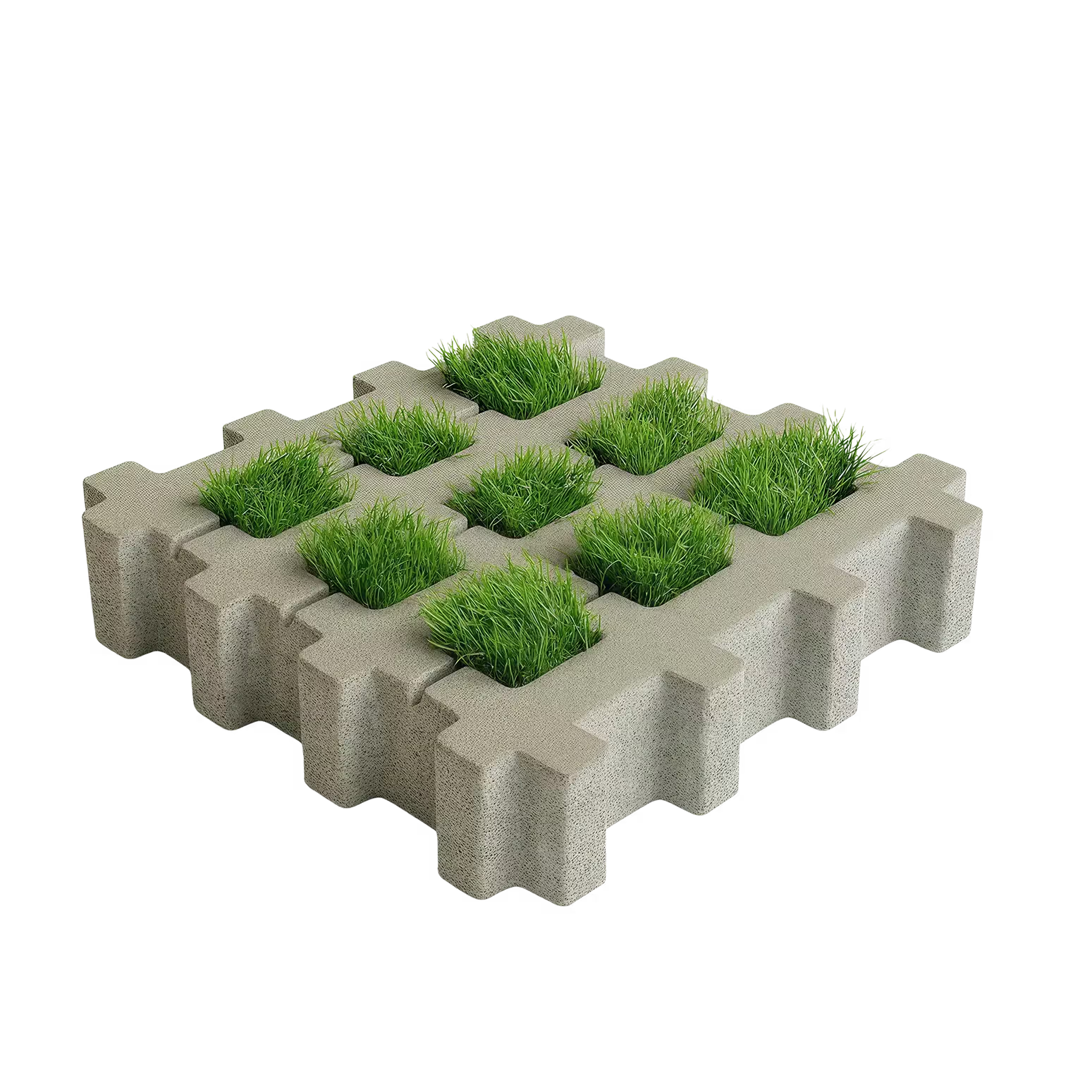
Fluid lines are being favoured over rigid shapes, so expect to see more curved pathways that mimic forest trails and landscaping that has natural contours. Grass pavers fit in perfectly with this trend, allowing grass to shoot through at regular intervals of paving.
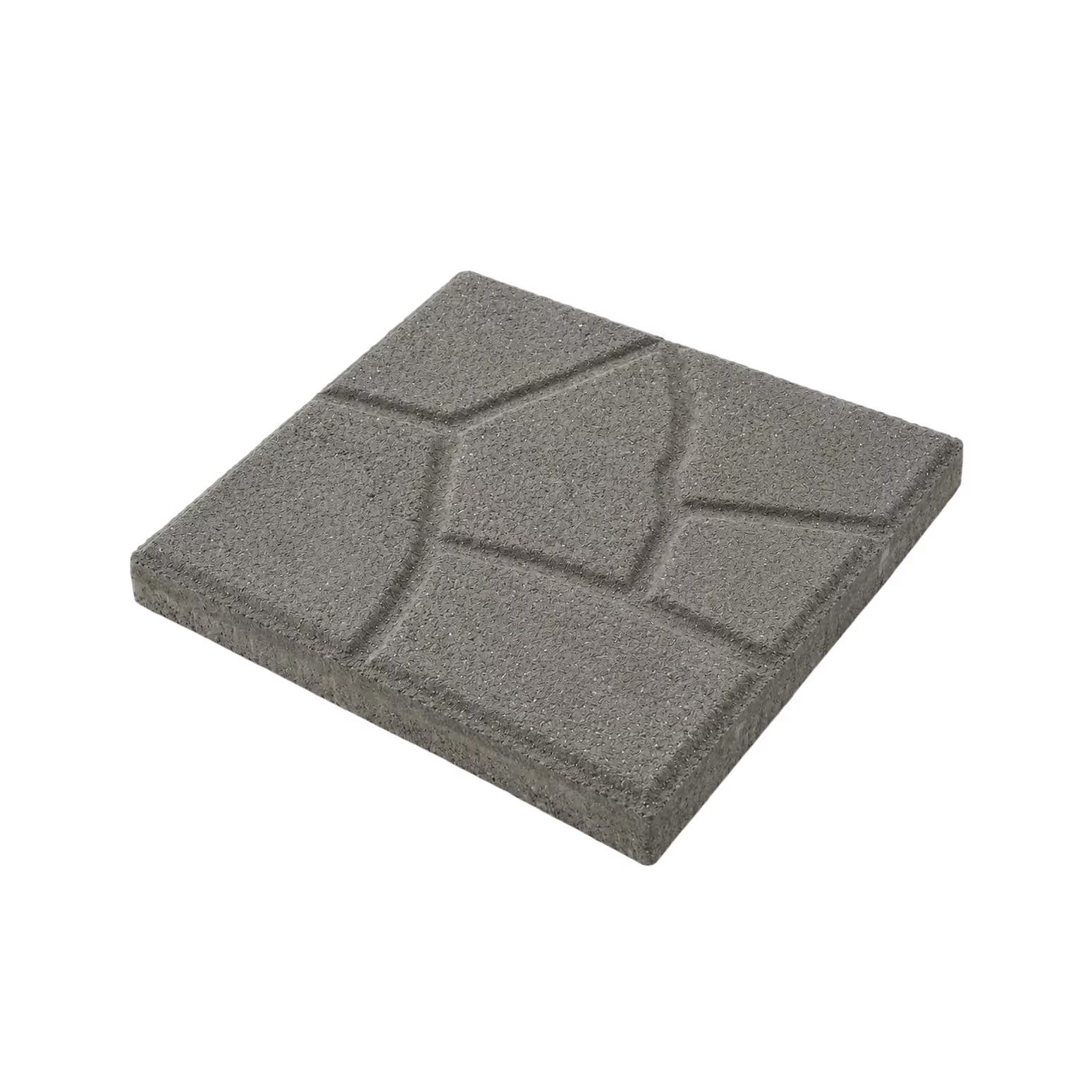
Pavers that are irregularly shaped or resemble cobblestones will be very popular this year. Textures that feel more natural, such as light pebbling on the surface or uneven finishes, will also feature prominently in the mood boards of landscape architects.
5. Earthy, Natural Colours
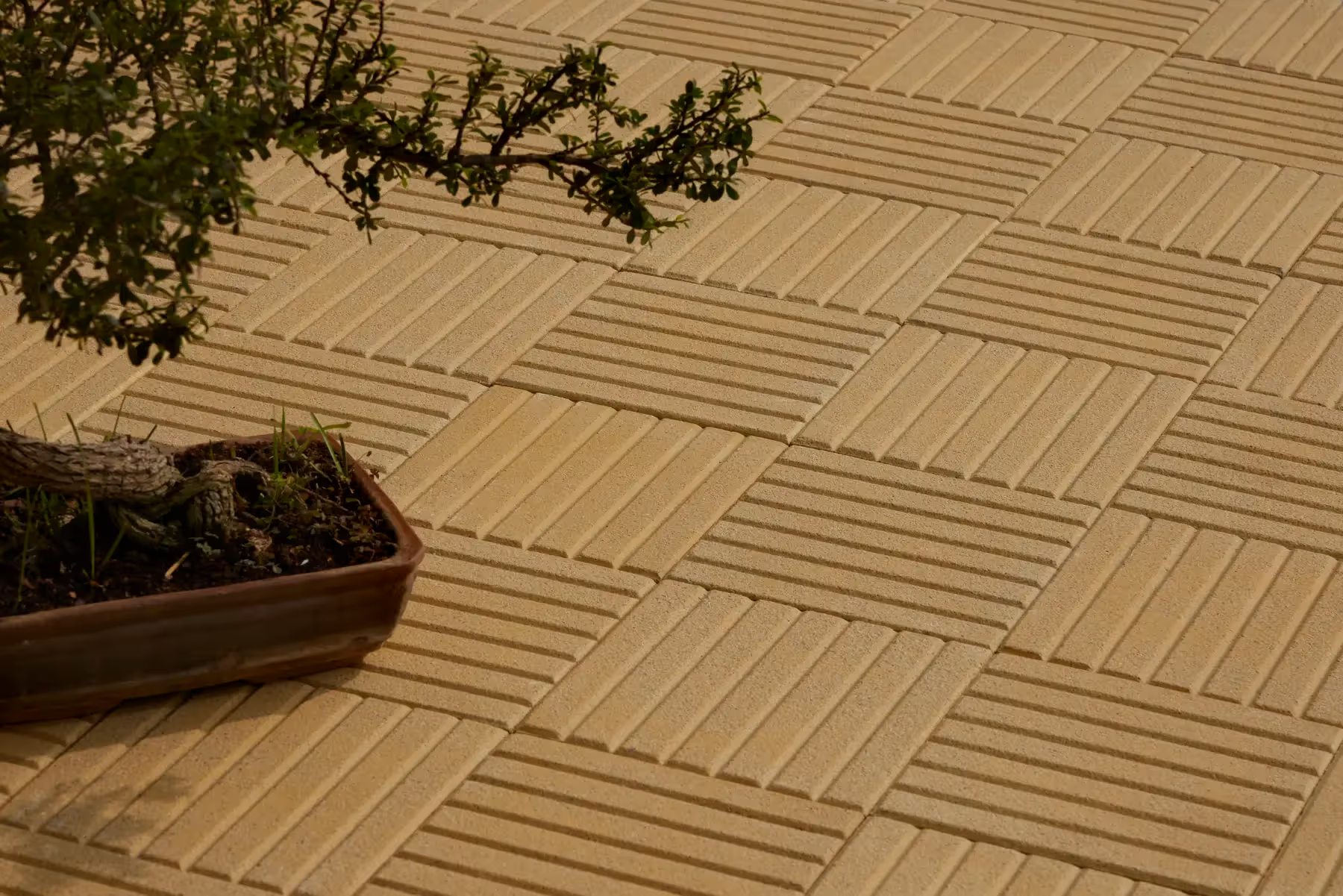
Nature-inspired palettes are in the spotlight this year; think red sandstone finishes, marbling, and smooth gradients. Earthy, however, does not mean dull. Designers are pairing warmer tones like ochre with deep rust, mossy green, and rich brown.
Pantone’s Colour of the Year for 2025 is mocha mousse because of its ability to answer “our desire for comfort.” Unsurprisingly, soothing palettes will be on everyone’s radar, with earthy tones being complemented by neutral ones.
Our take on 2025’s trends is that nature — whether through colour palettes or climate change — will continue to shape how we in India design and inhabit living and commercial spaces. And, with eco-friendly design becoming increasingly urgent, these trends could extend beyond 2025 as well.