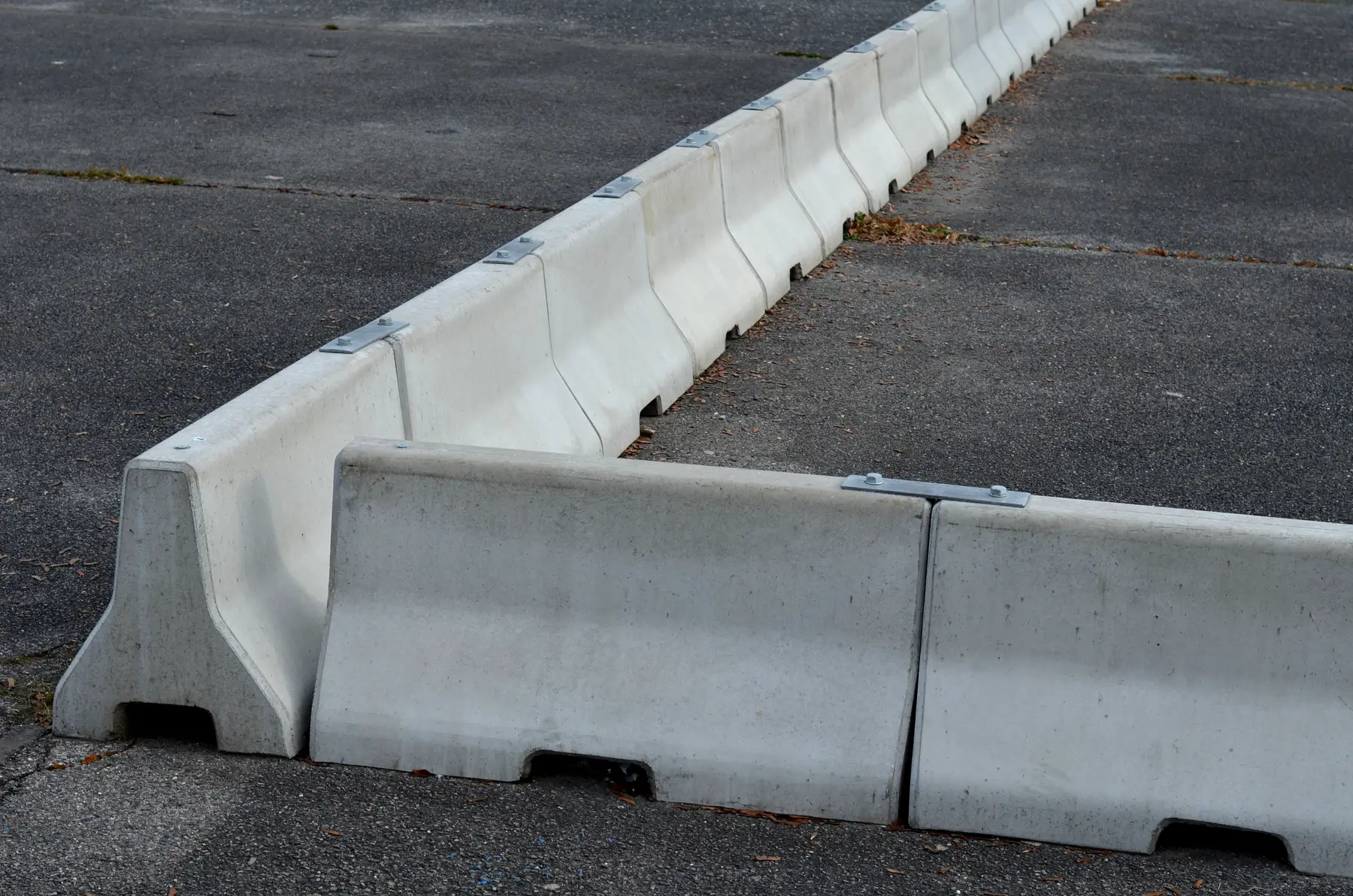
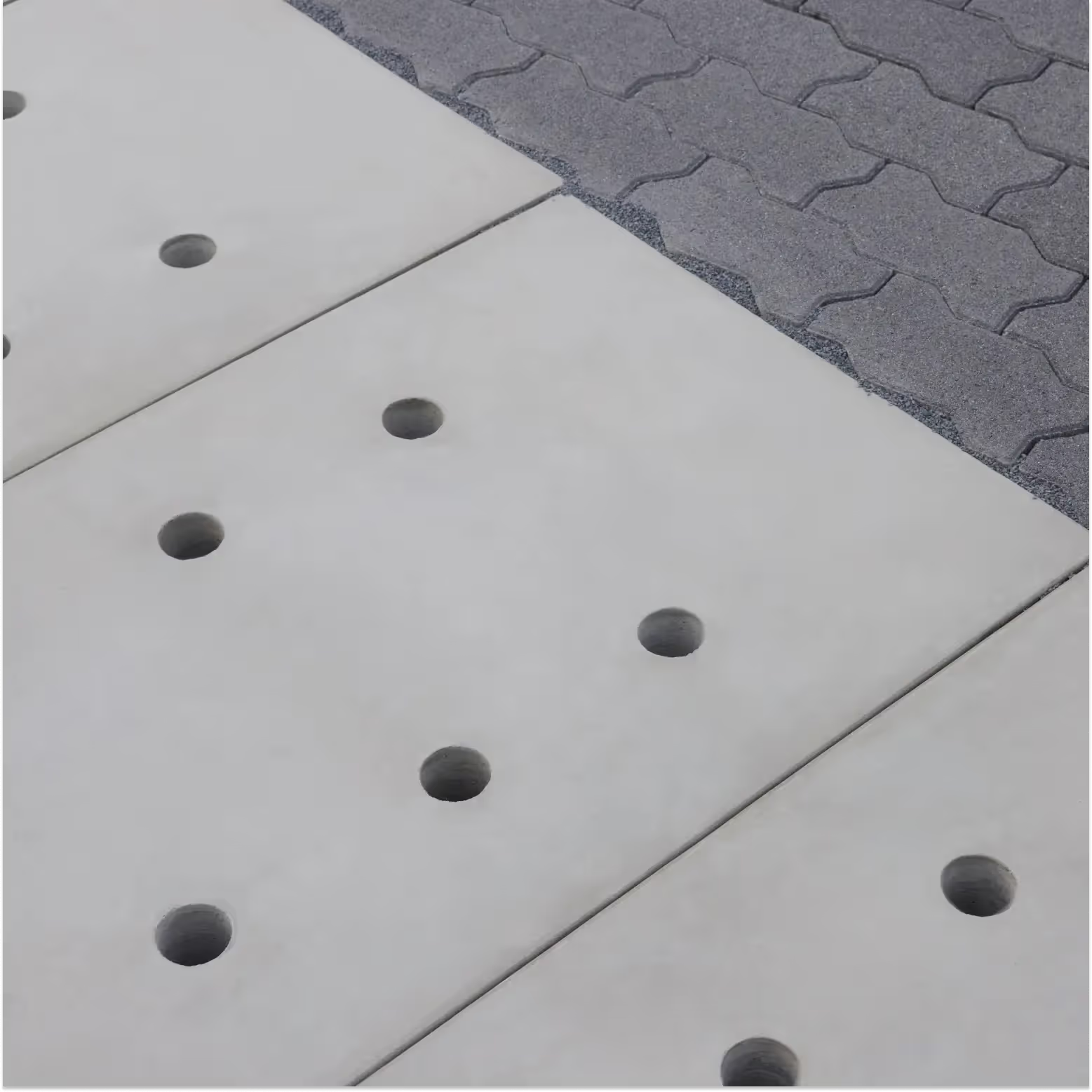
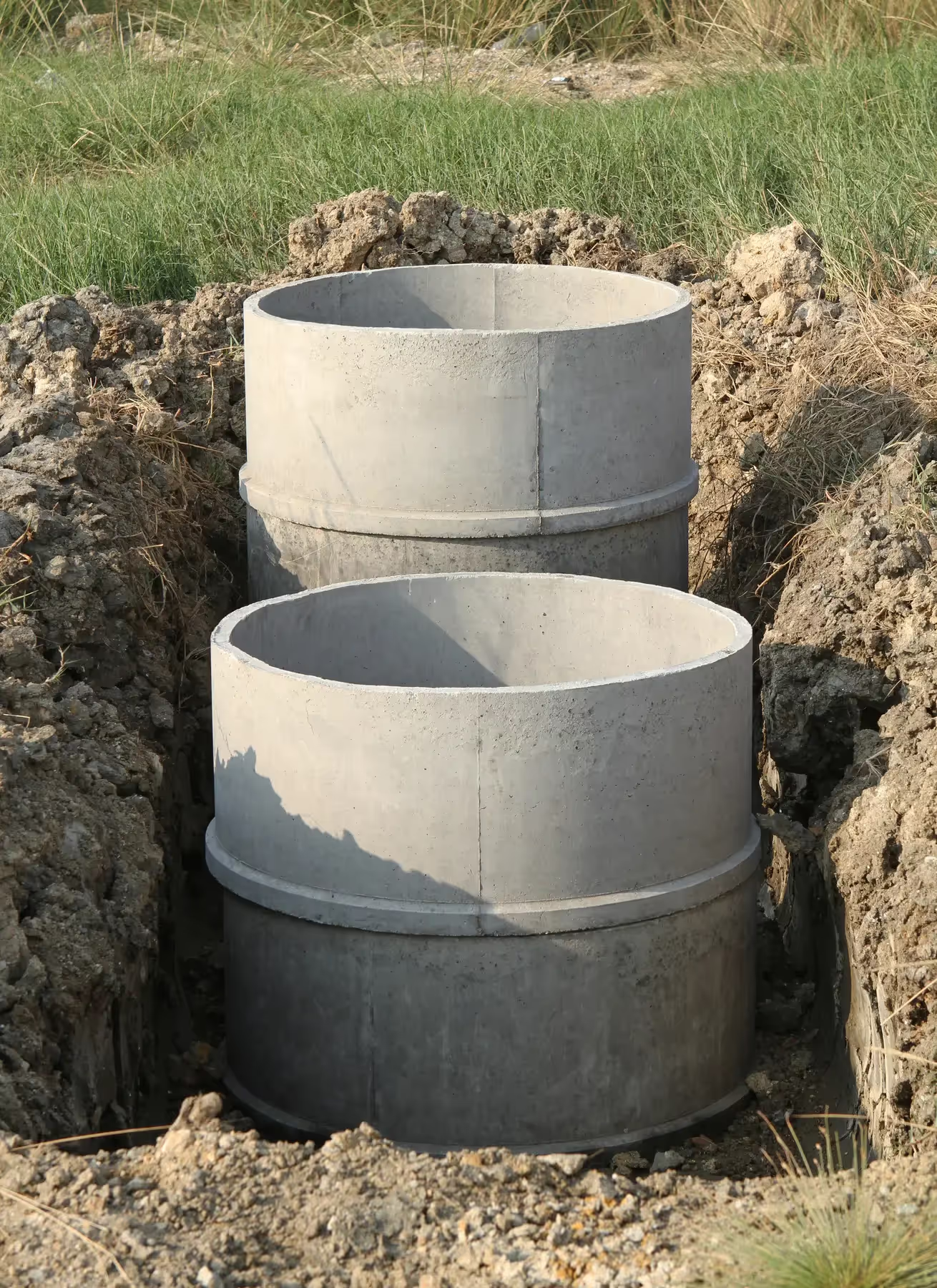
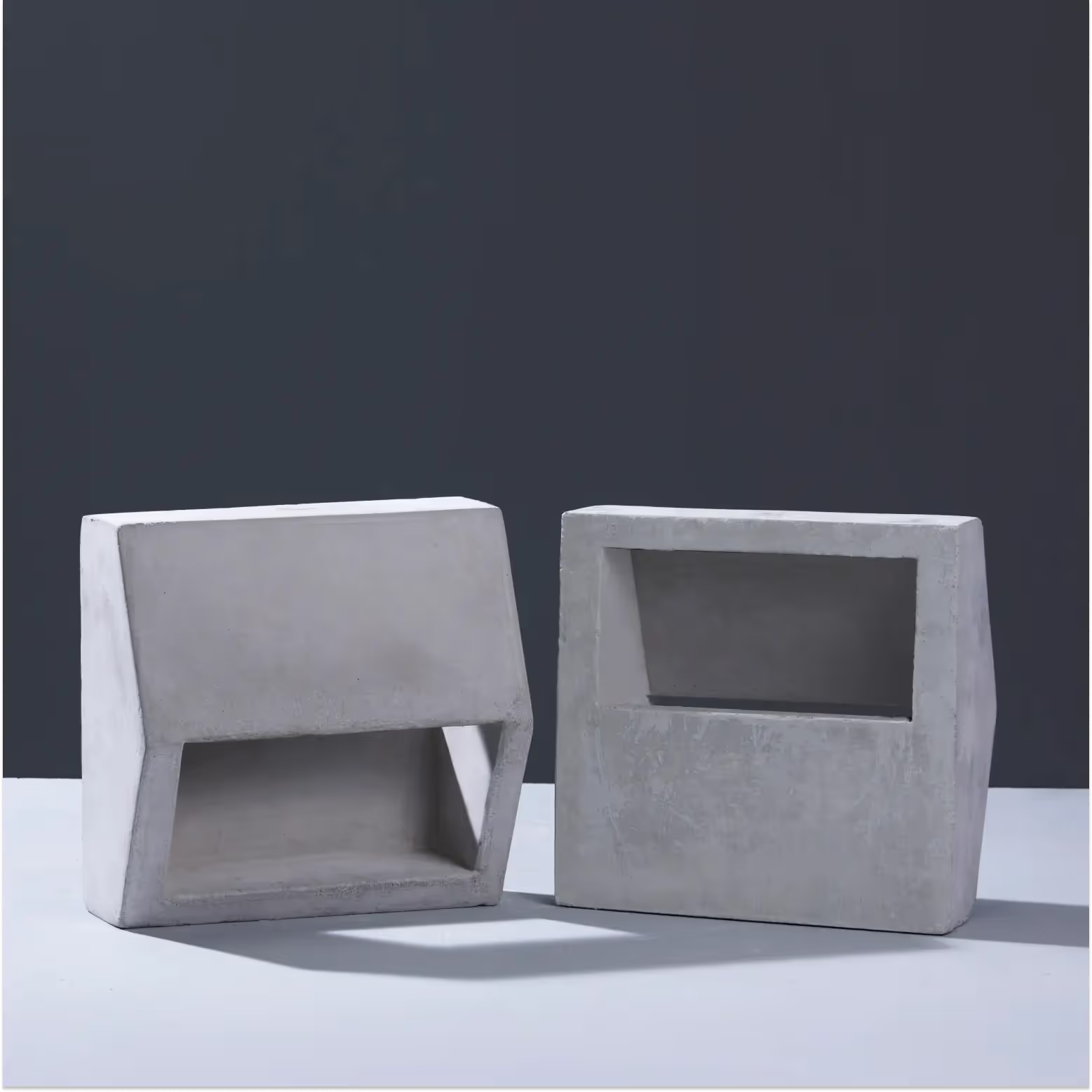
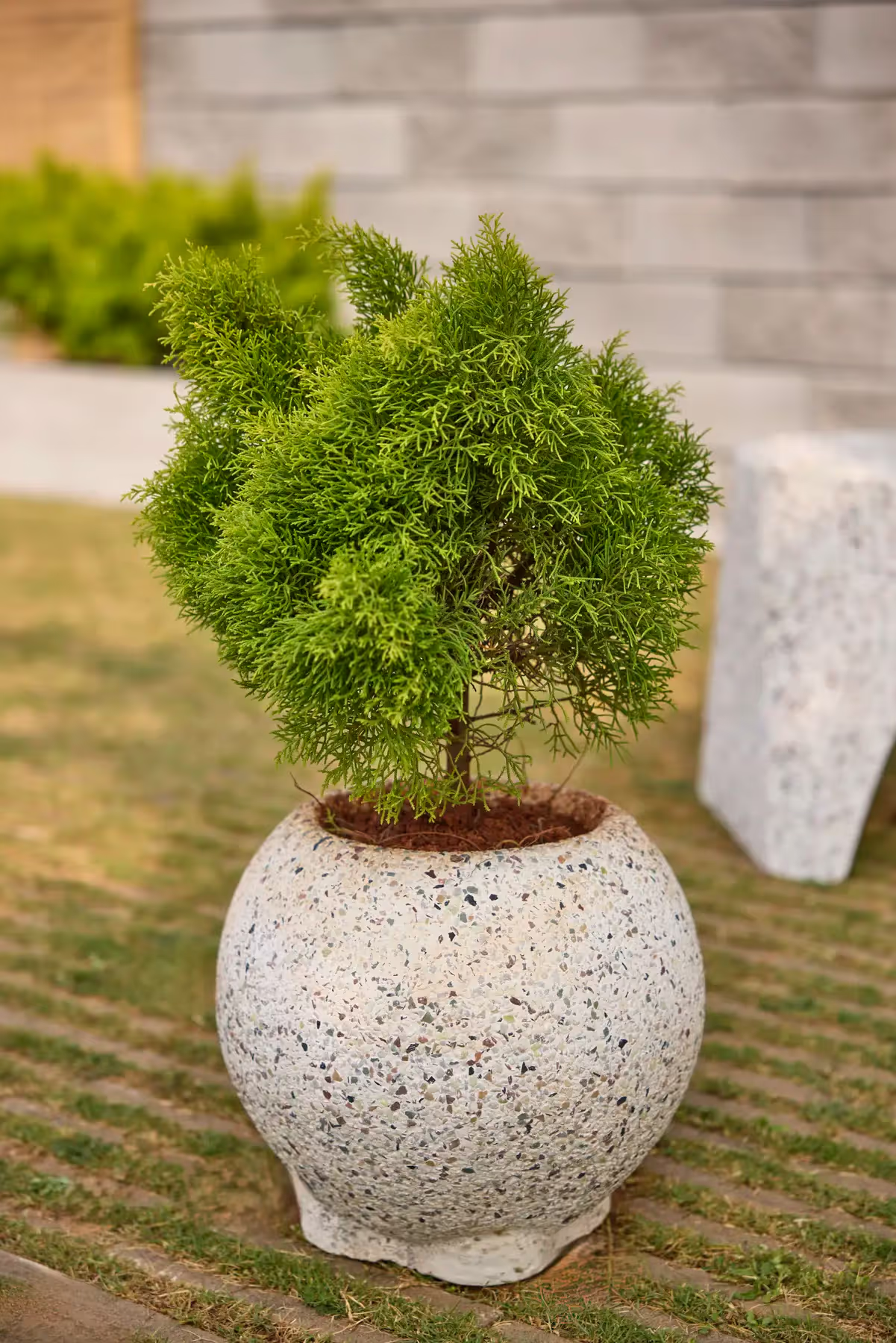
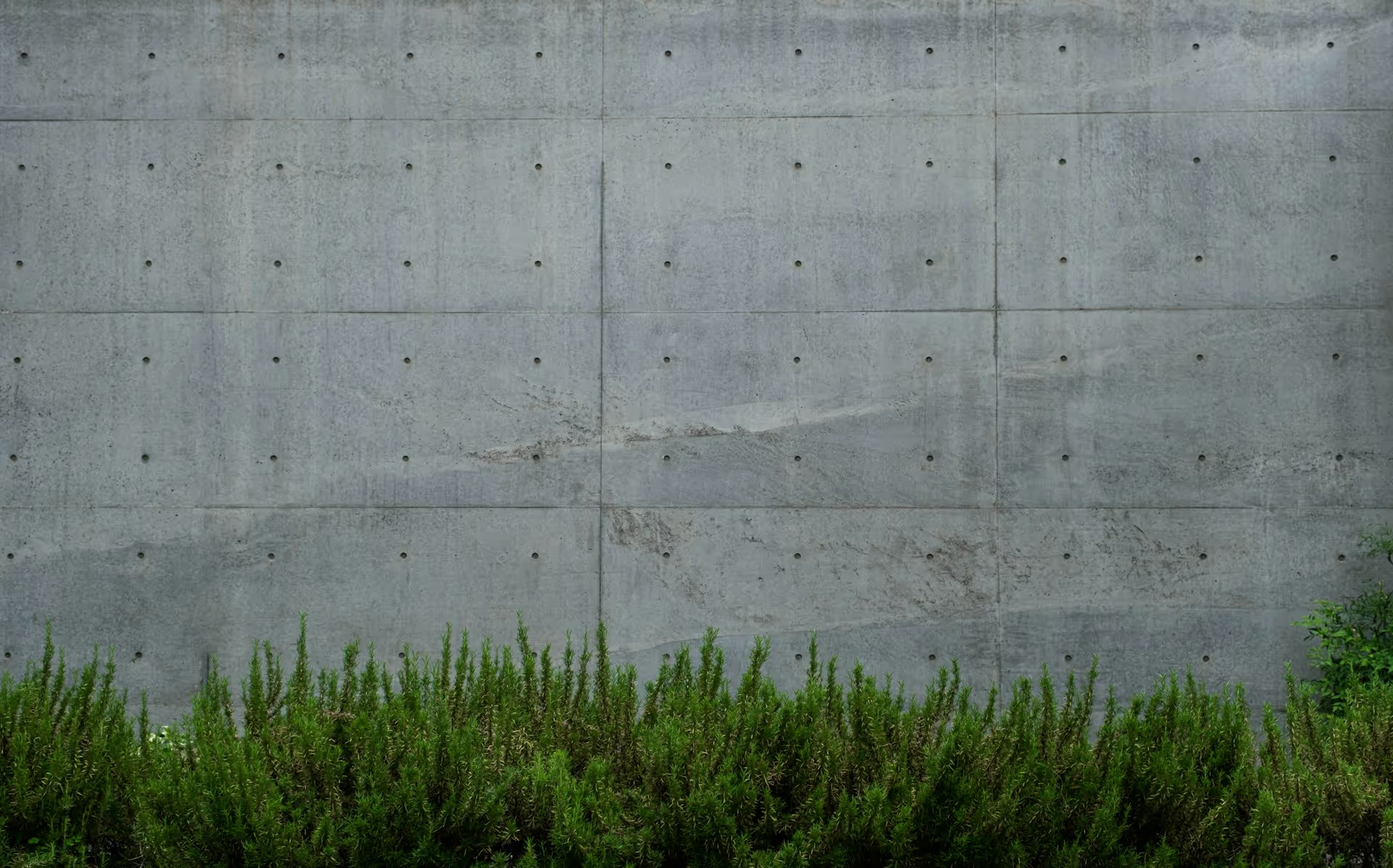
Concrete has always been behind-the-scenes material - it’s sturdy, versatile and indispensable to architects and builders. While traditionalists consider it essential, they’ve always hidden it away unless it was used as hardscaping for driveways, parking lots and other outdoor spaces.
The Origins of Exposed Concrete
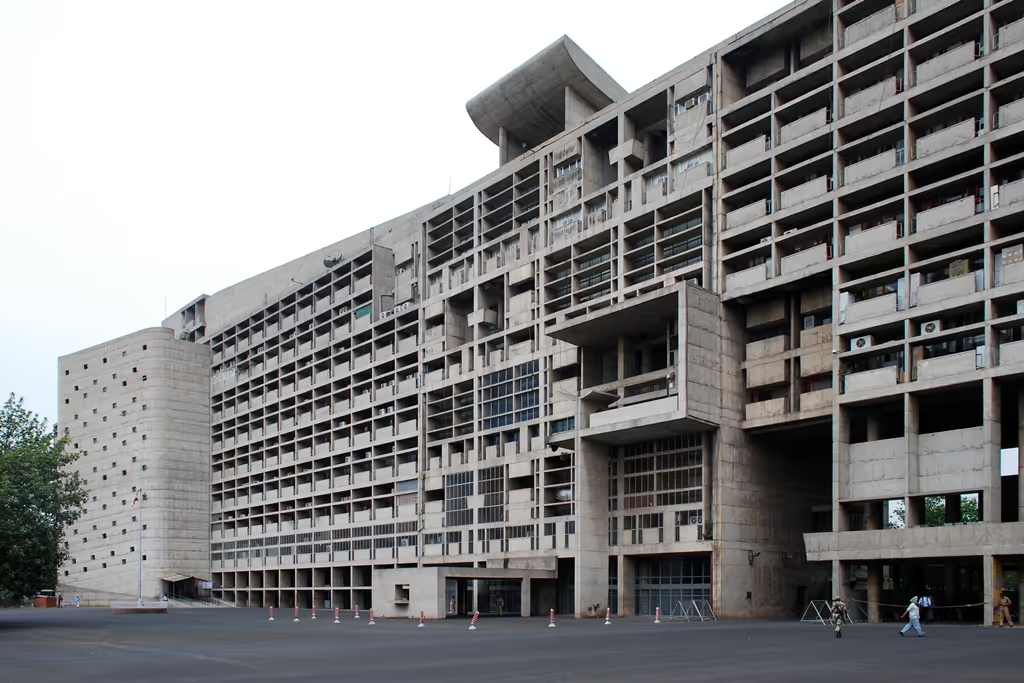
In India, it took the likes of Le Corbusier and BV Doshi to reimagine concrete as a design element in its own right. Though exposed concrete is today associated with the Industrial Chic trend, it was first made popular globally through Brutalism, which championed showcasing building materials as they were. In fact, the origin of the term ‘Brutalism’ lies in ‘béton brut’ (French for ‘raw concrete’).
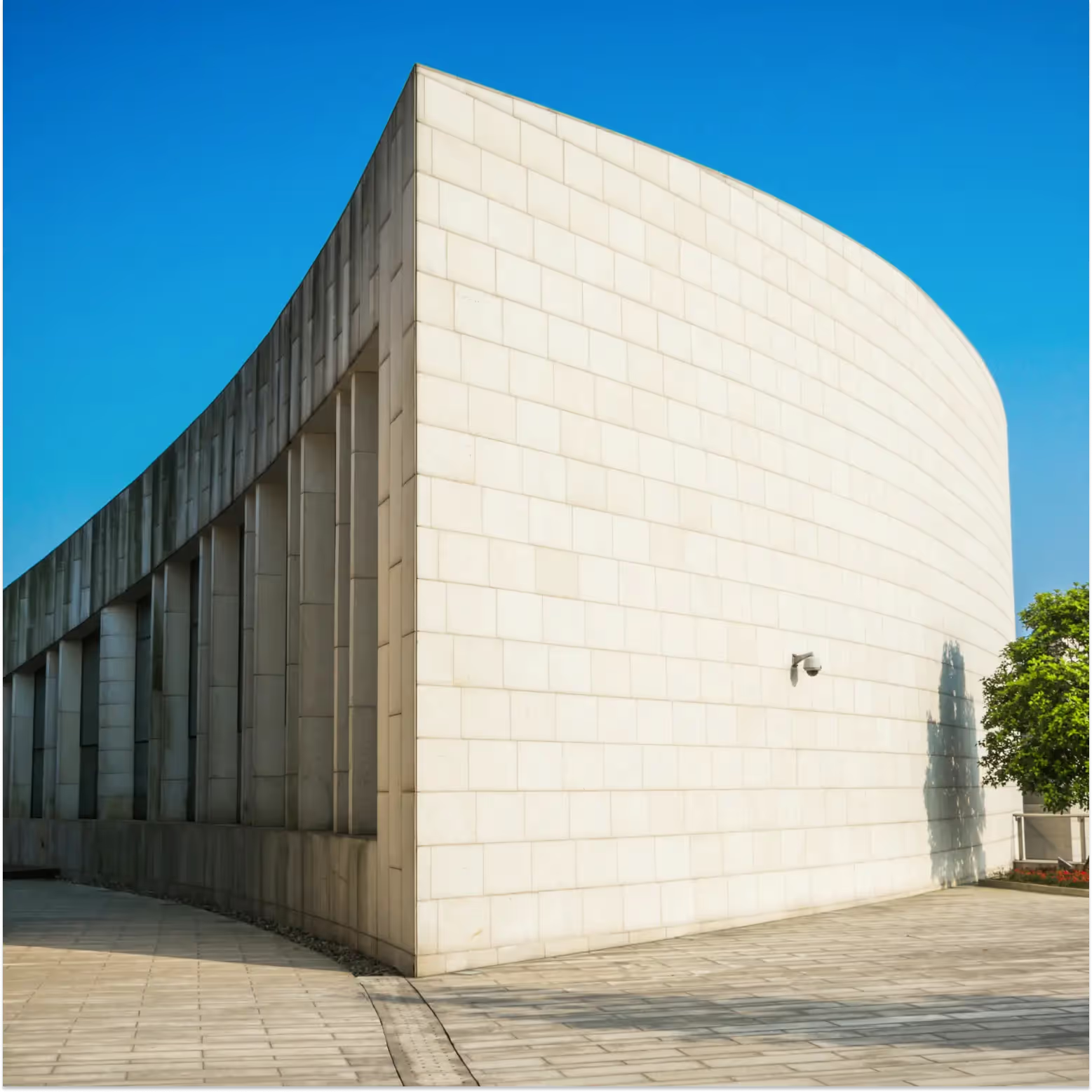
These days, you’ll see it everywhere, and not just in projects that are under construction. It’s the highlight of building facades, flooring, poolside counters, ornamental landscaping, not to mention building interiors.
Designers are bringing concrete to the fore and shining the spotlight on its raw, unfinished look. Exposed concrete might appear simple, but architects have been quick to give it their own interpretation. Here’s a quick look at what makes exposed concrete so appealing.
The Benefits
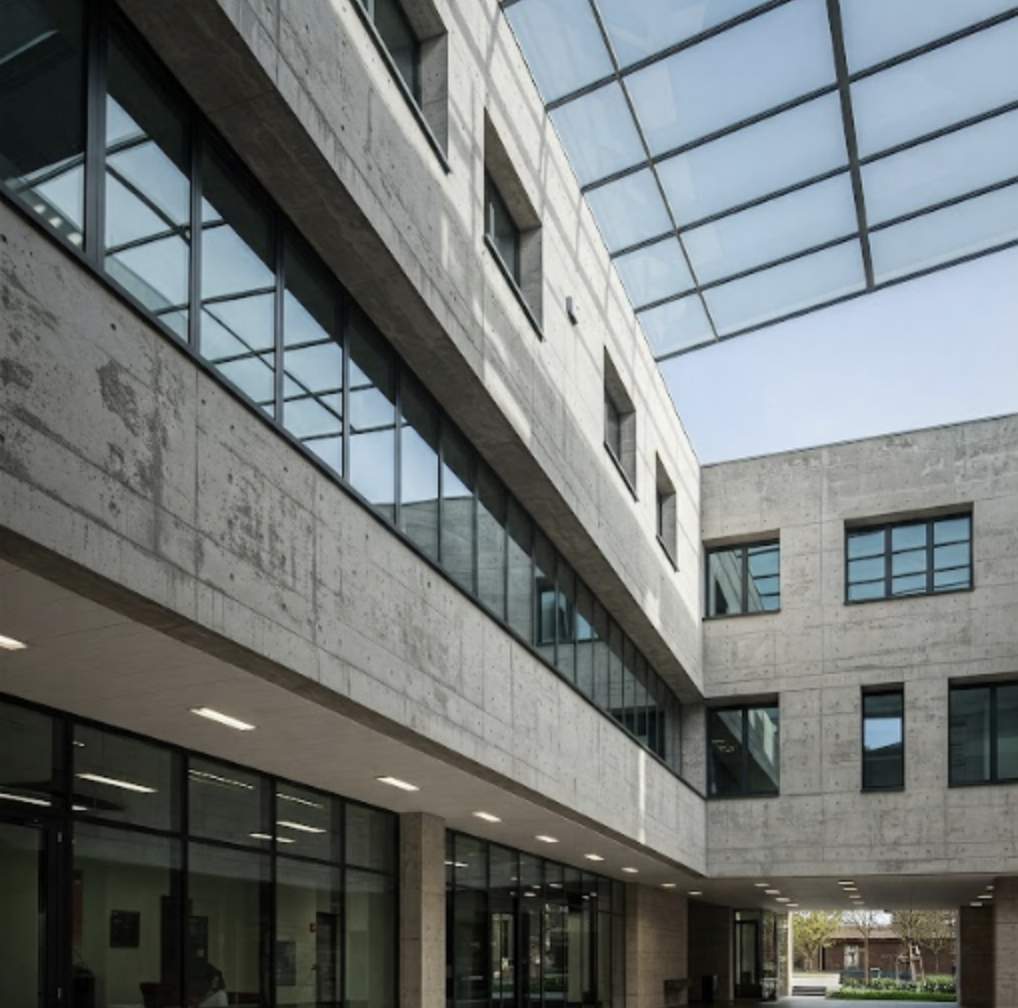
1. Unique aesthetics
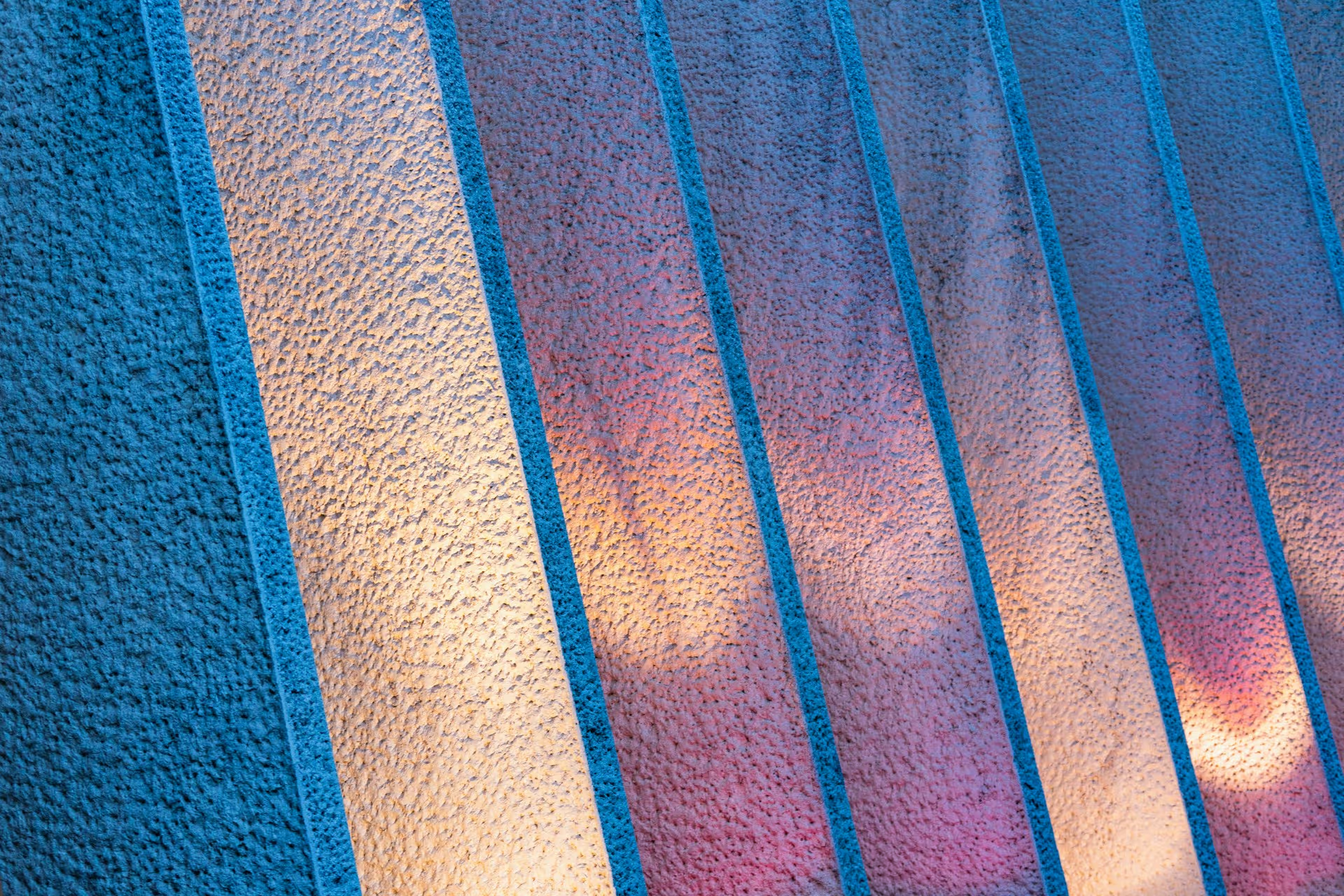
Exposed concrete has a stark, unfinished look that gives structures a modern and minimalistic appearance. Without any paint or cladding to cover them, concrete’s uneven grey tones, clean lines and mildly serrated edges make spaces feel more elegant yet unusual.
2. Design flexibility
It’s also a great blank canvas for architects to experiment with; they can either embrace the neutrality of concrete to create a Scandinavian palette or use exposed concrete as a backdrop that contrasts with pop colours and complex designs.
3. Durability
Concrete can withstand wear and tear and requires minimal upkeep, unlike painted walls and wooden beams, for example, which require regular touch-ups.
4. Cost-effectiveness
With fewer coatings required, exposed concrete can save clients a significant amount in cladding, painting, labour and raw material costs. Even in the long term, it can reduce the need for expensive replacements or repairs.
5. Energy efficiency
With its high thermal mass, concrete can store more heat and release it slowly, thereby stabilising indoor temperatures. This cuts down the energy required for heating systems.
So, Where Should You Start?
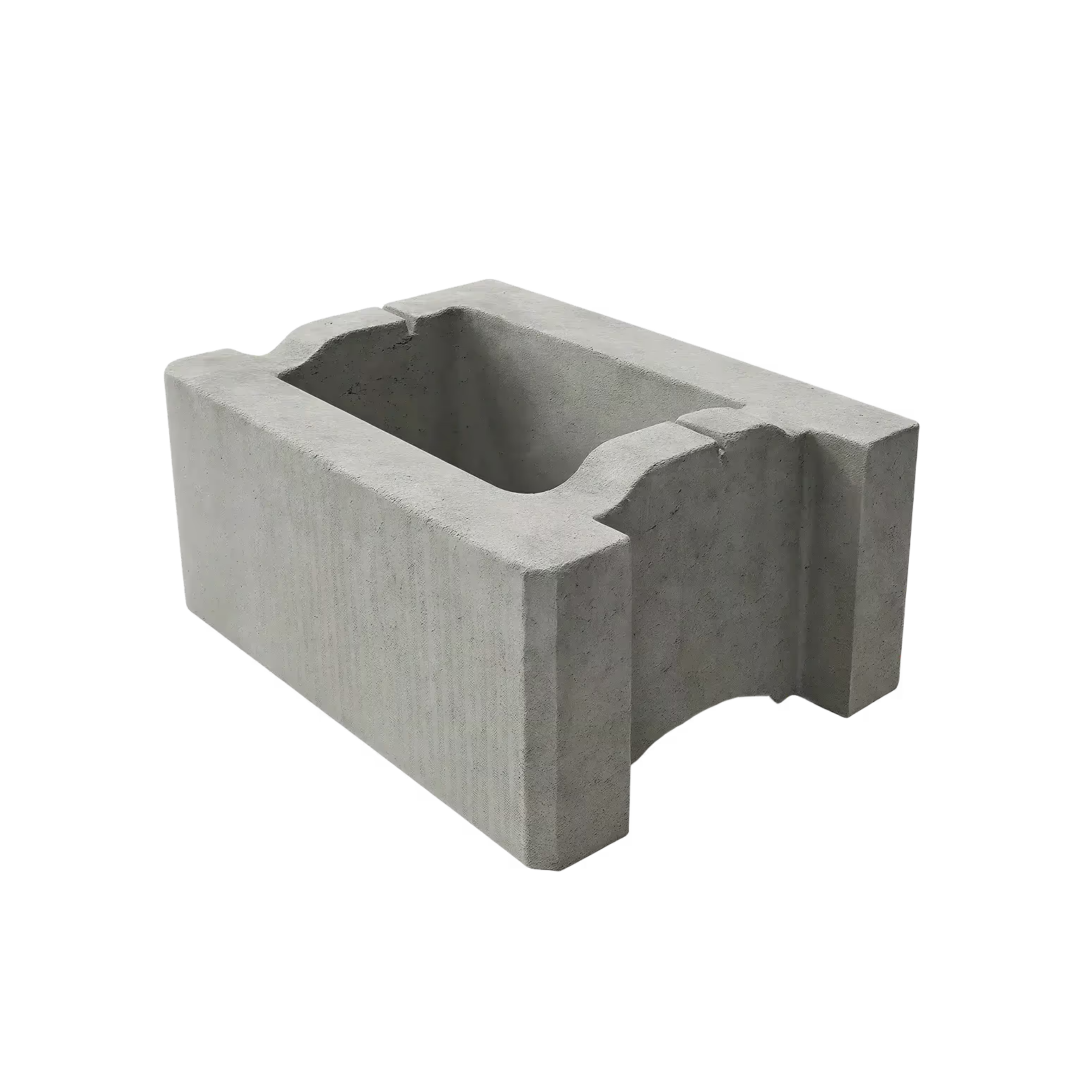
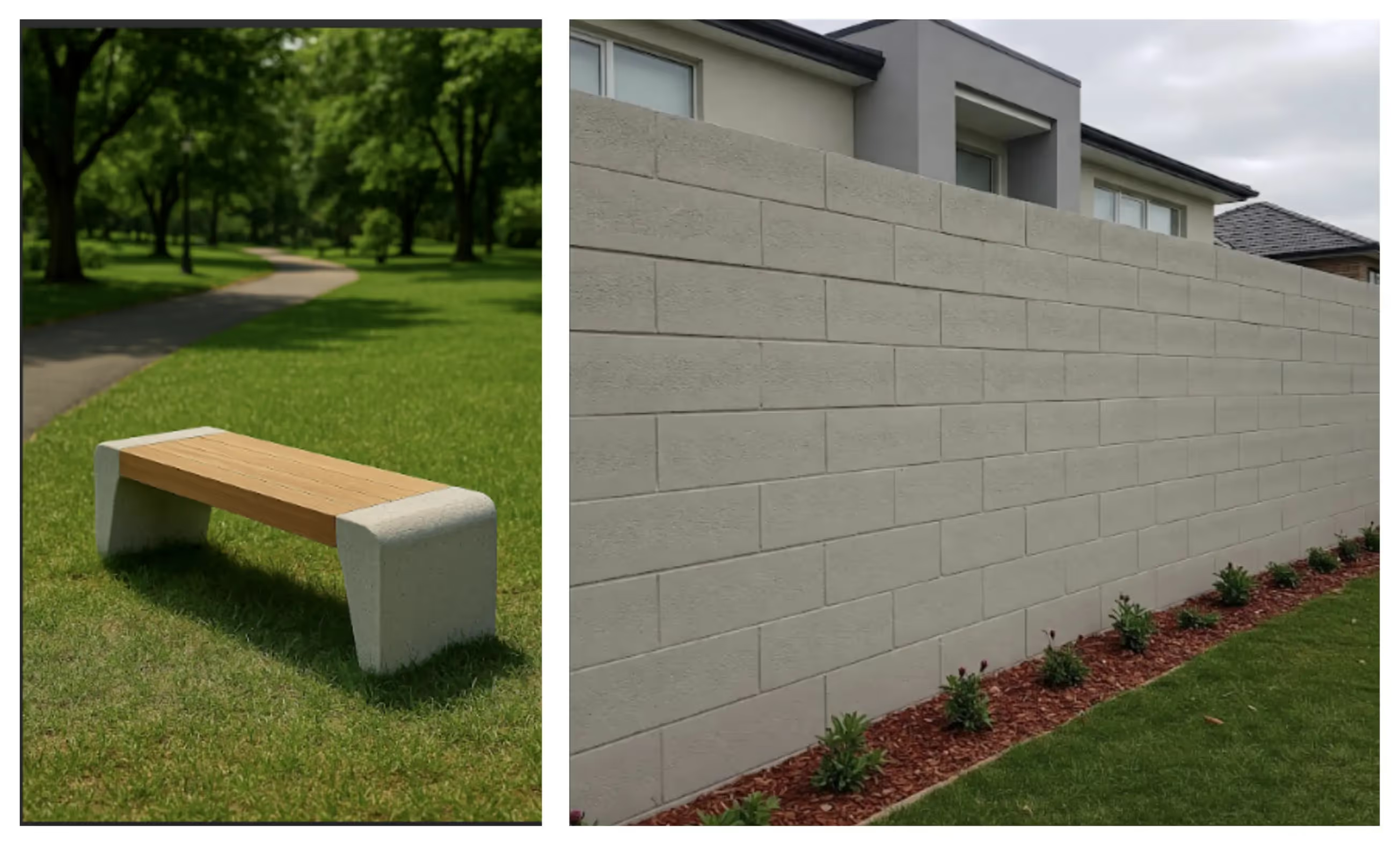
To fully leverage the benefits of exposed concrete, it’s essential to select premium building materials that look sophisticated and yet are extremely durable. For the outer walls of buildings, we recommend engineered concrete blocks, which have perfect edges, high strength and low water absorption.
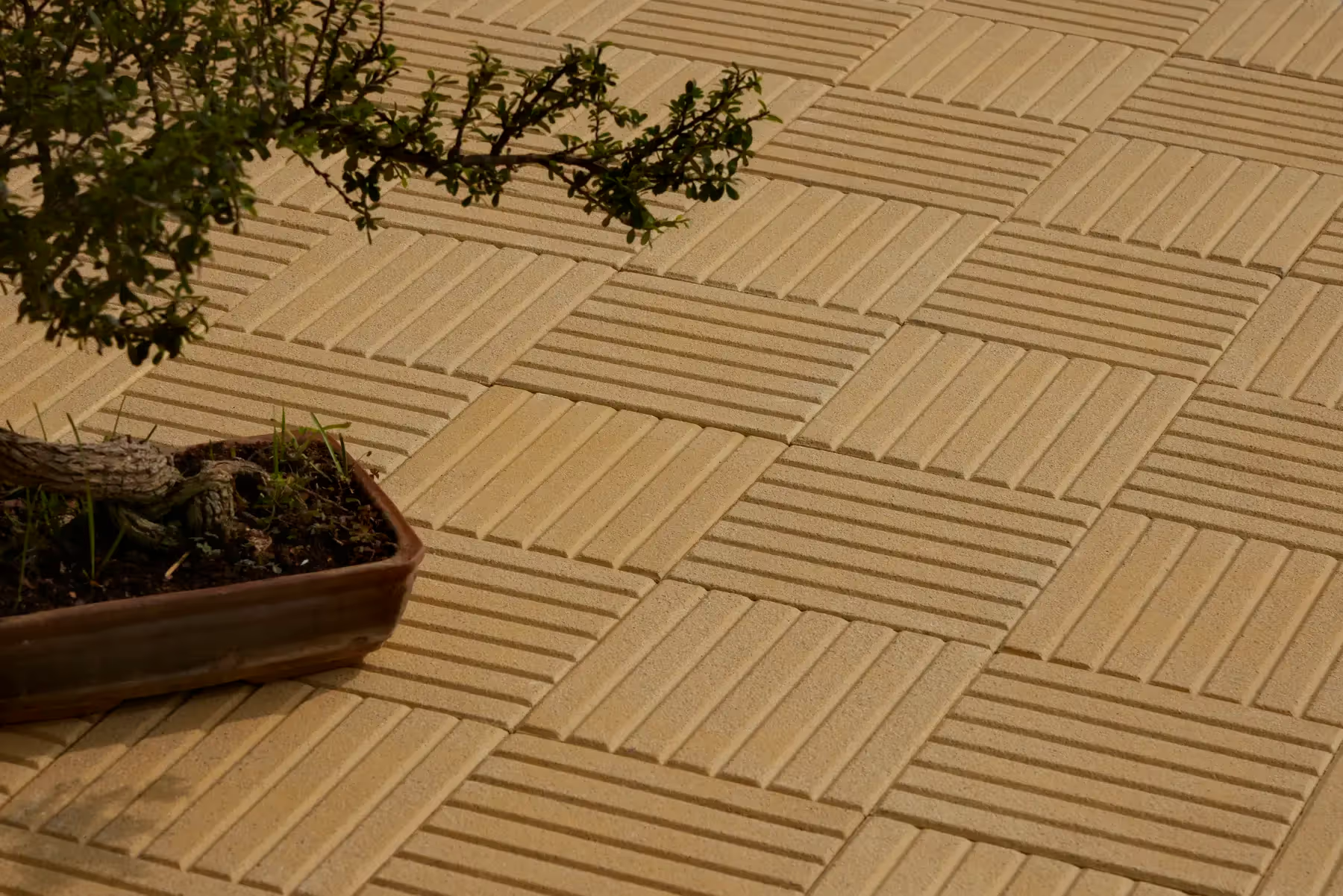
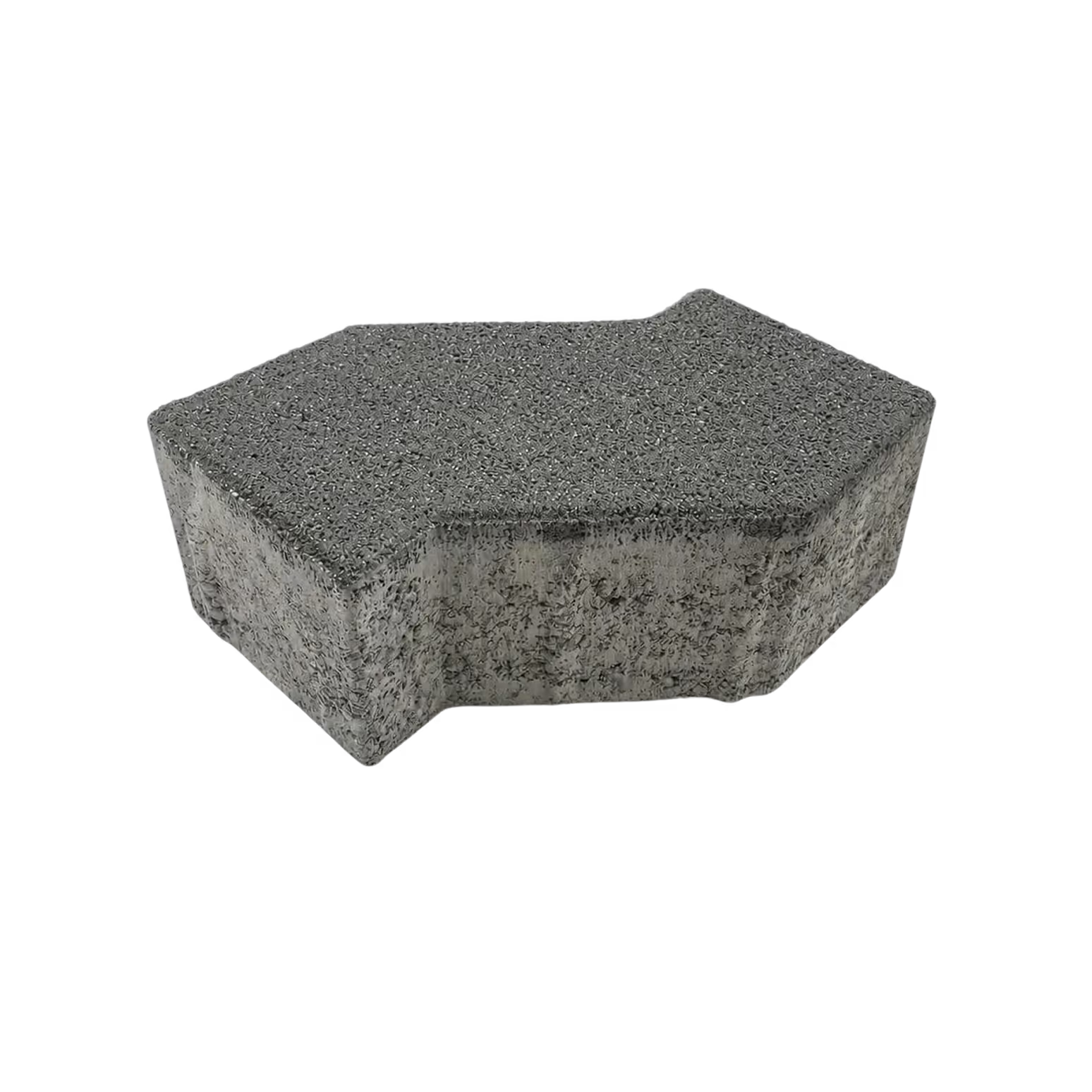
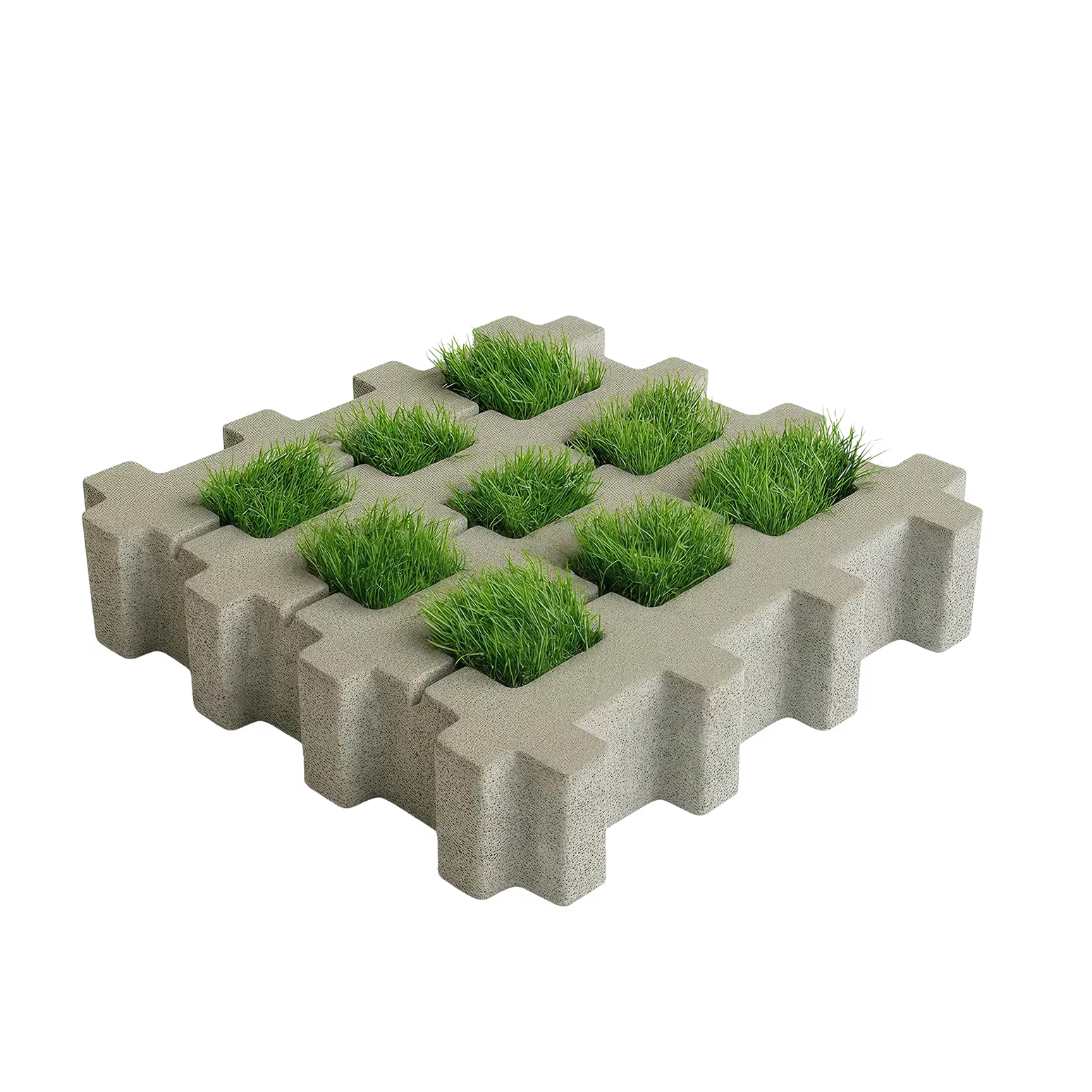
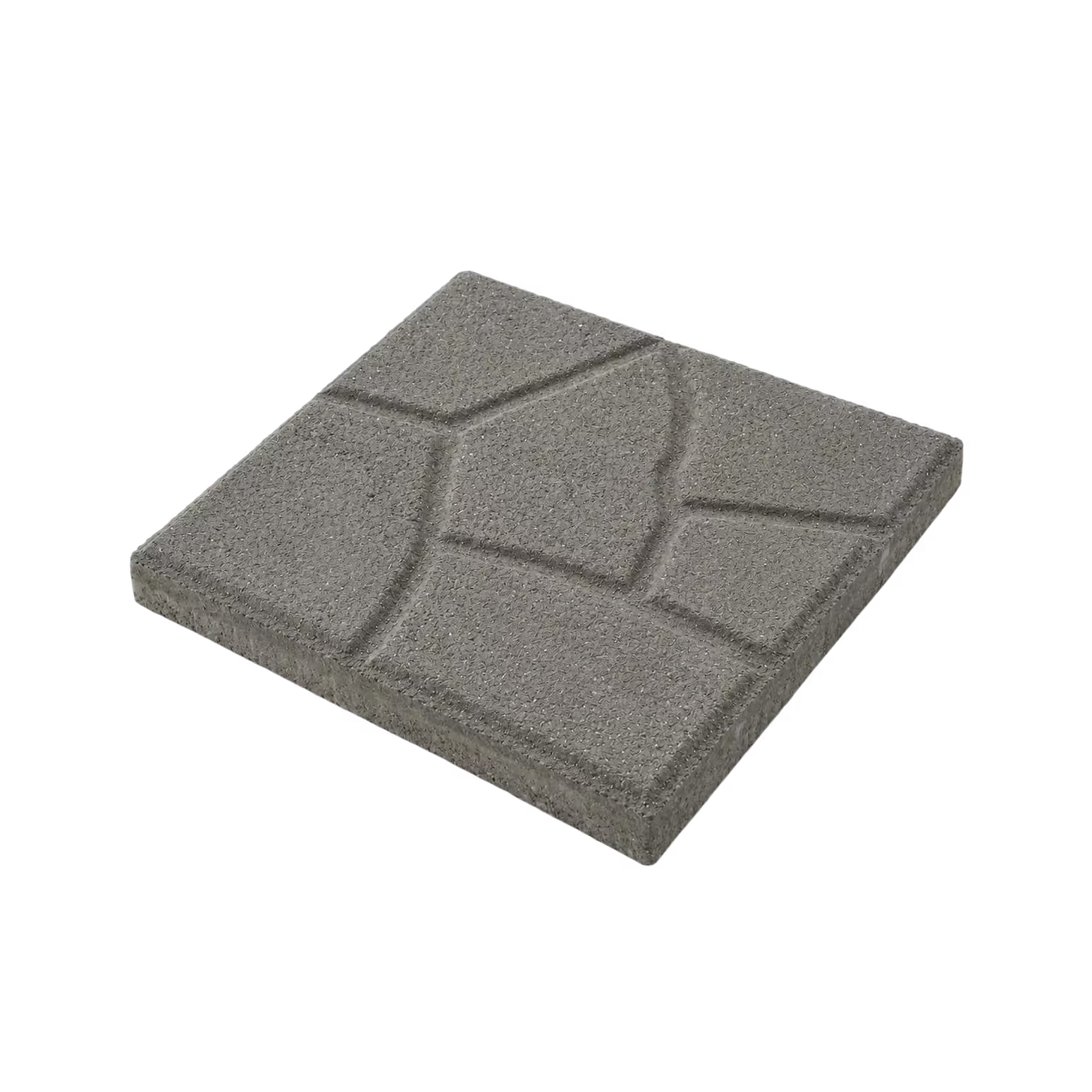
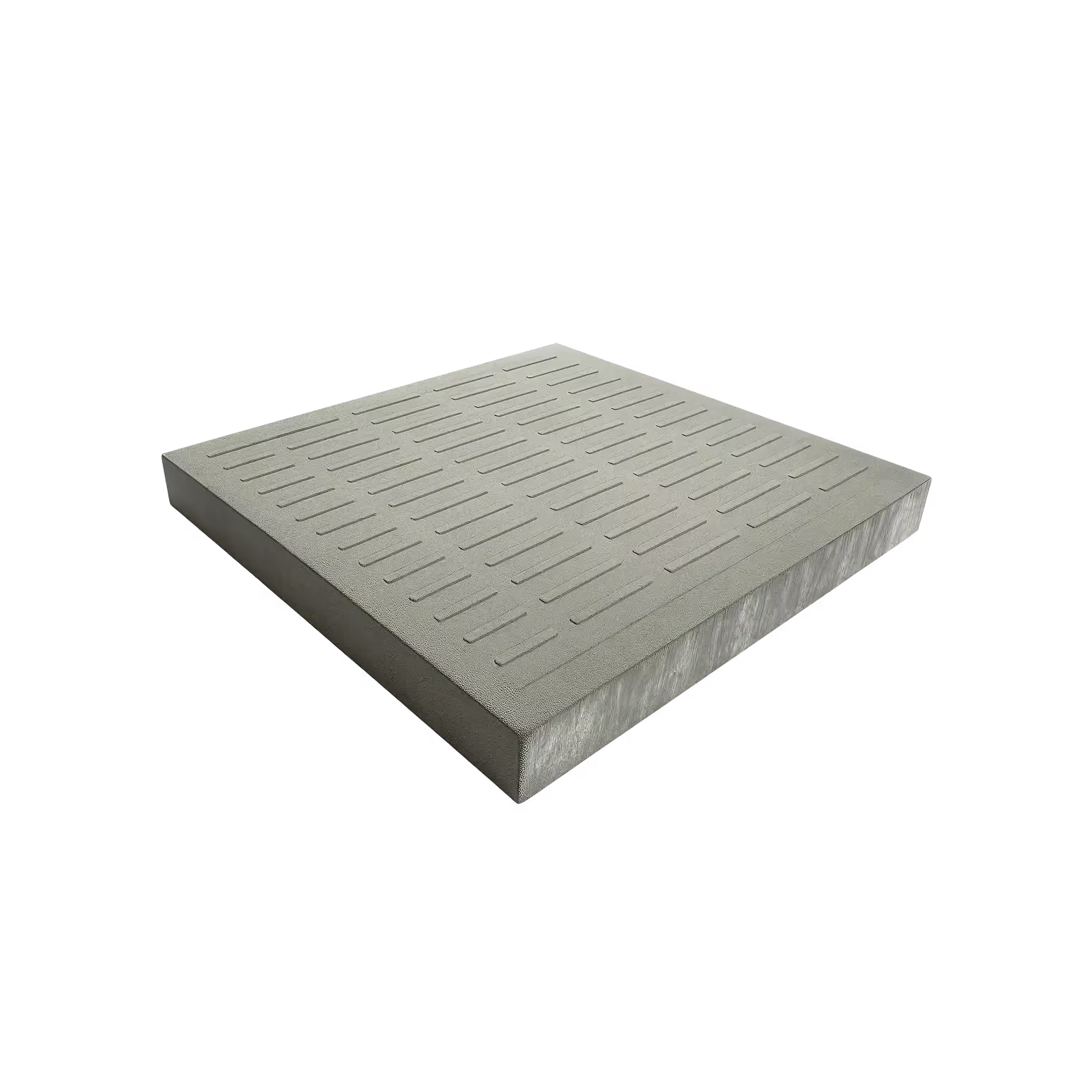
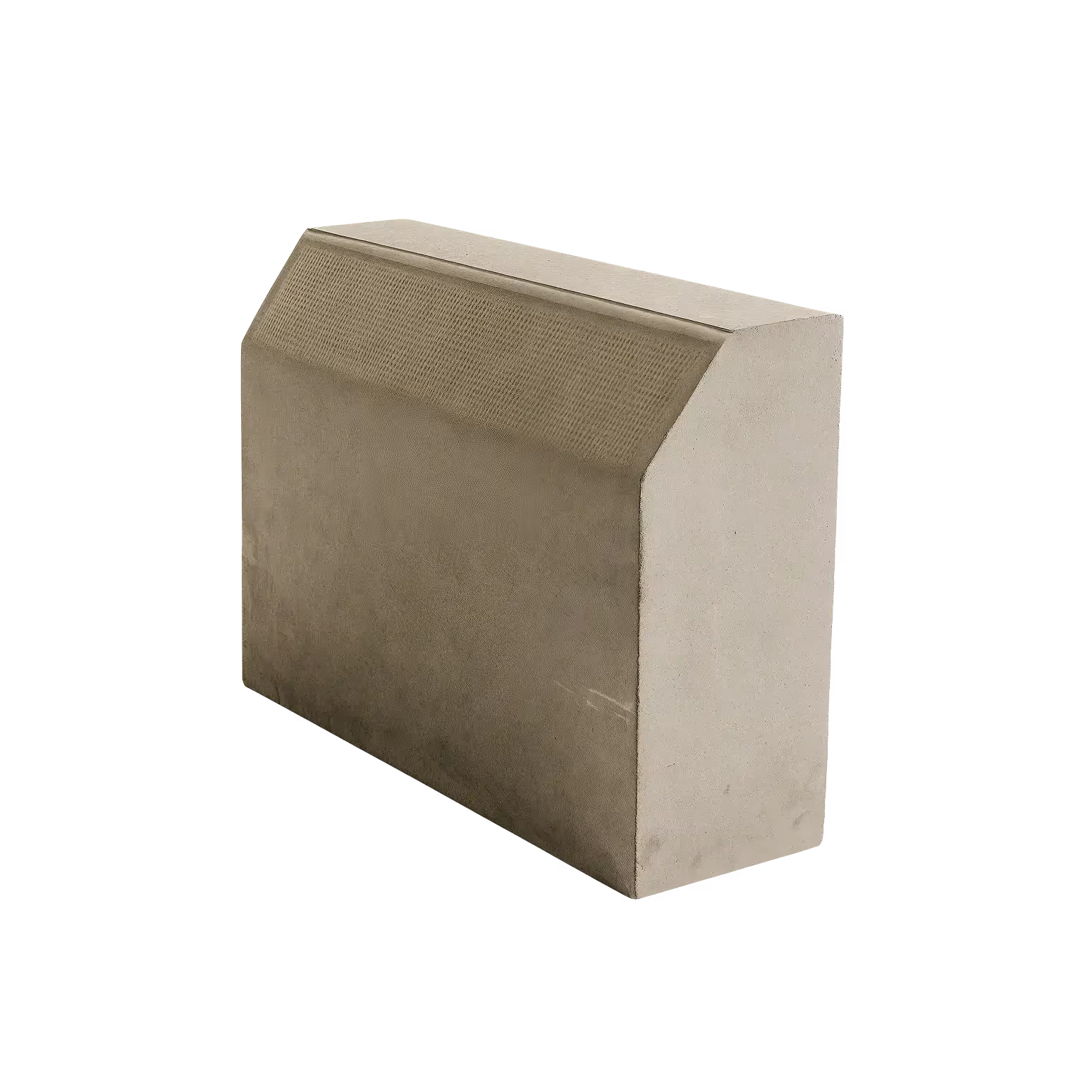
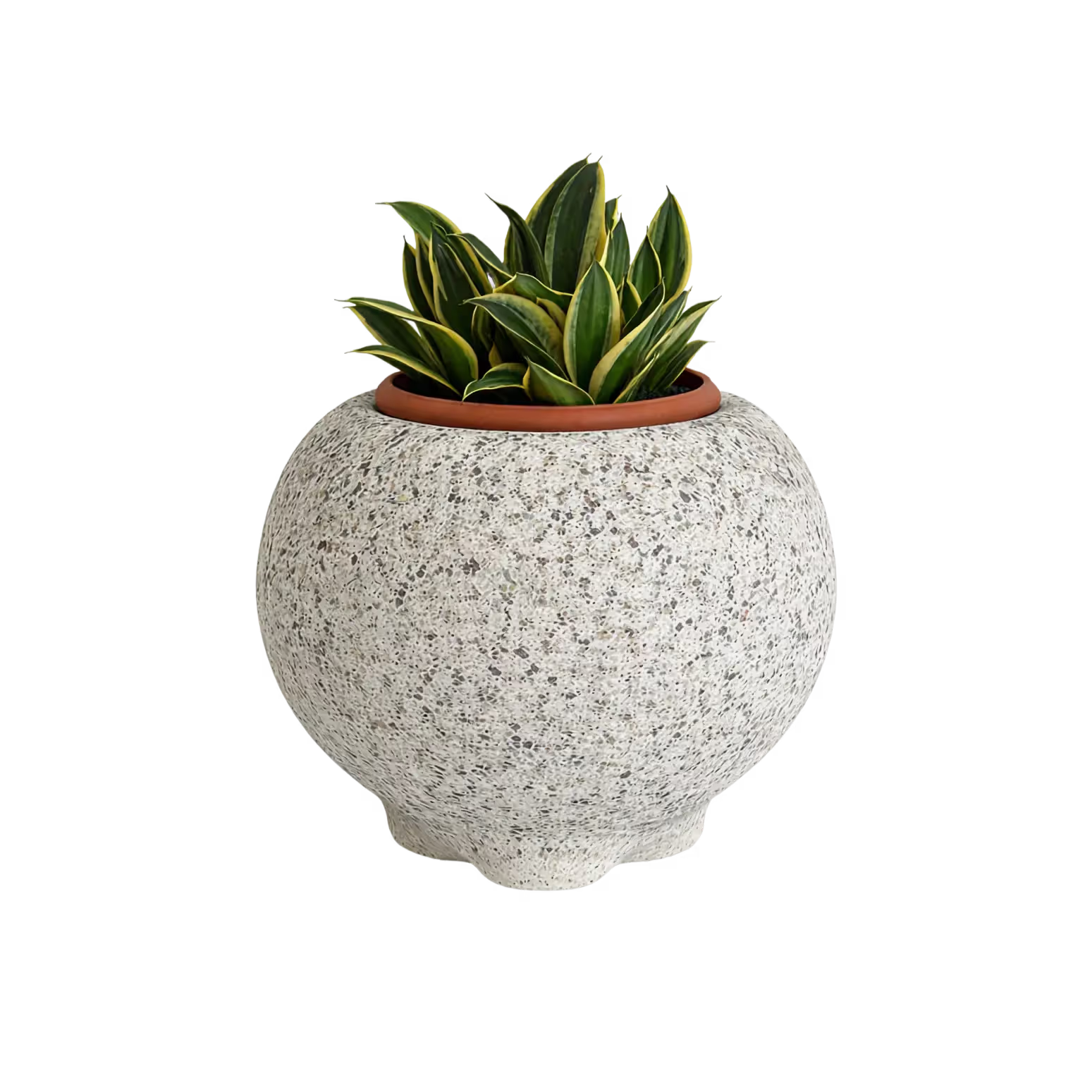
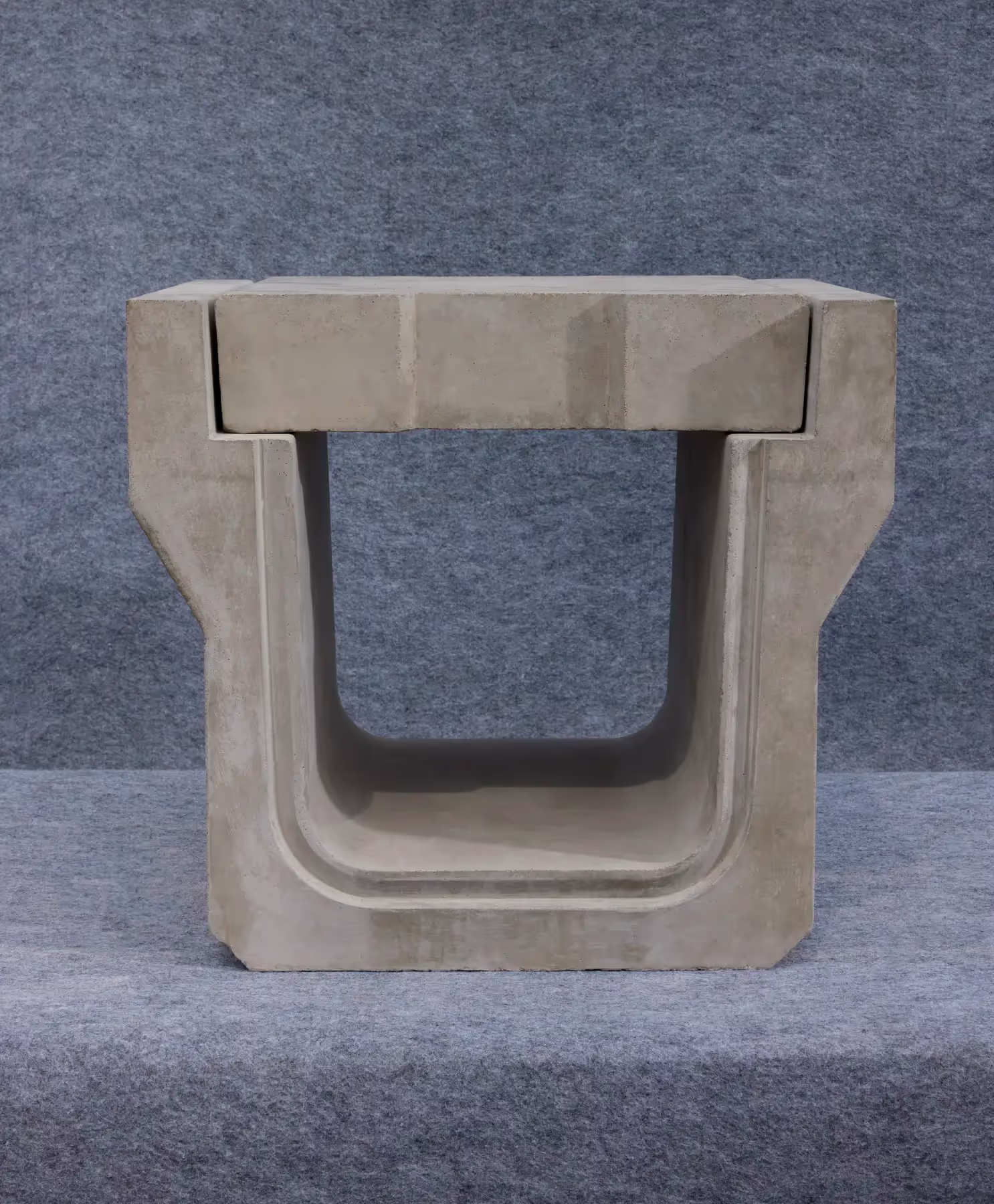
Concrete furniture and ornamental objects can infuse hints of the Industrial Chic look into a space without being overwhelming. Our precast concrete benches and bollards make for elegant additions while precast planters and water bowls create a subtle contrast with greened landscapes and gardens. For hardscaping, shot-blasted pavers and tiles in grey tones channel the trend perfectly.
Exposed concrete might feel like a modern innovation, but therein lies its secret. It’s been avant-garde since the mid-1900s, and it manages to turn heads even today.