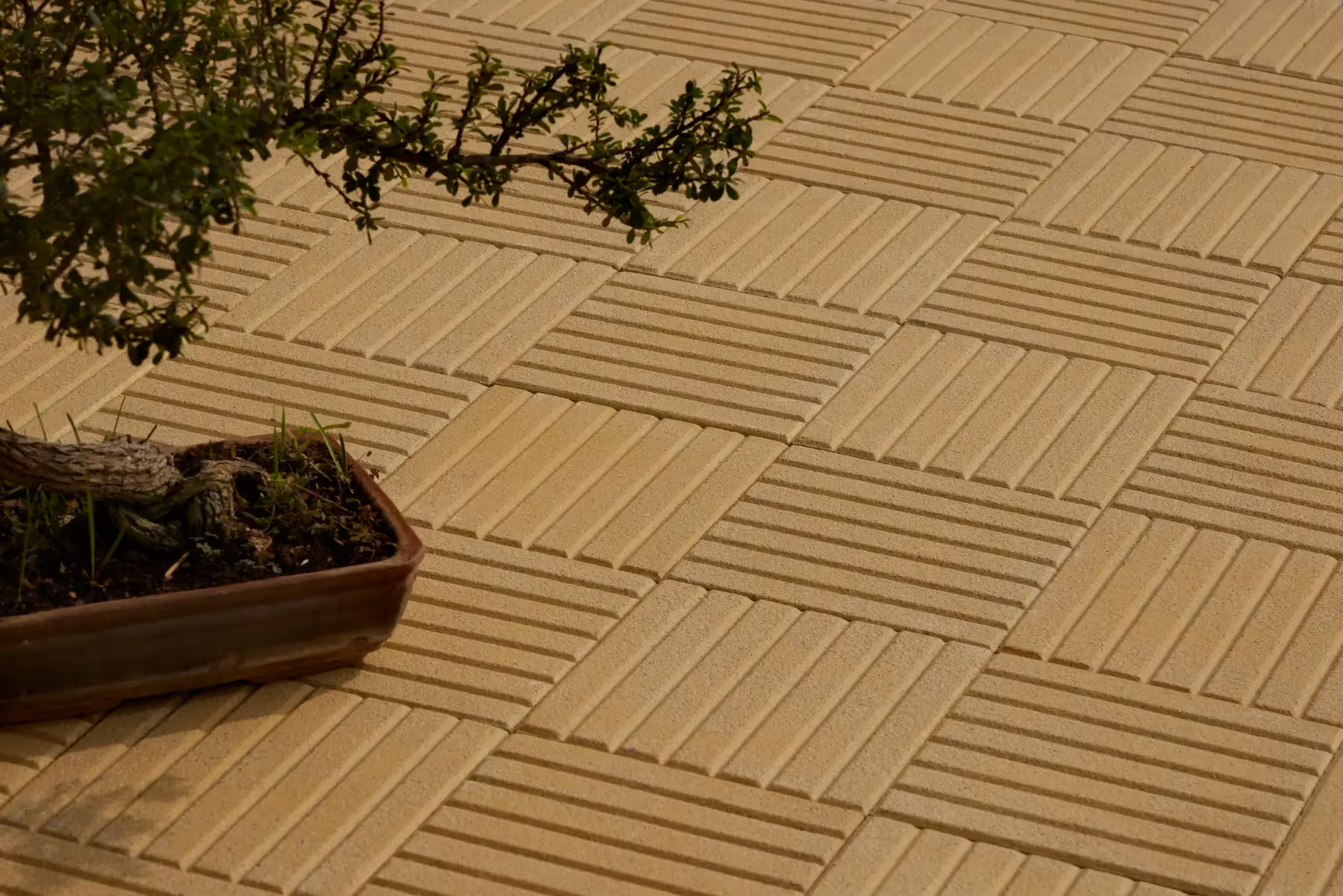
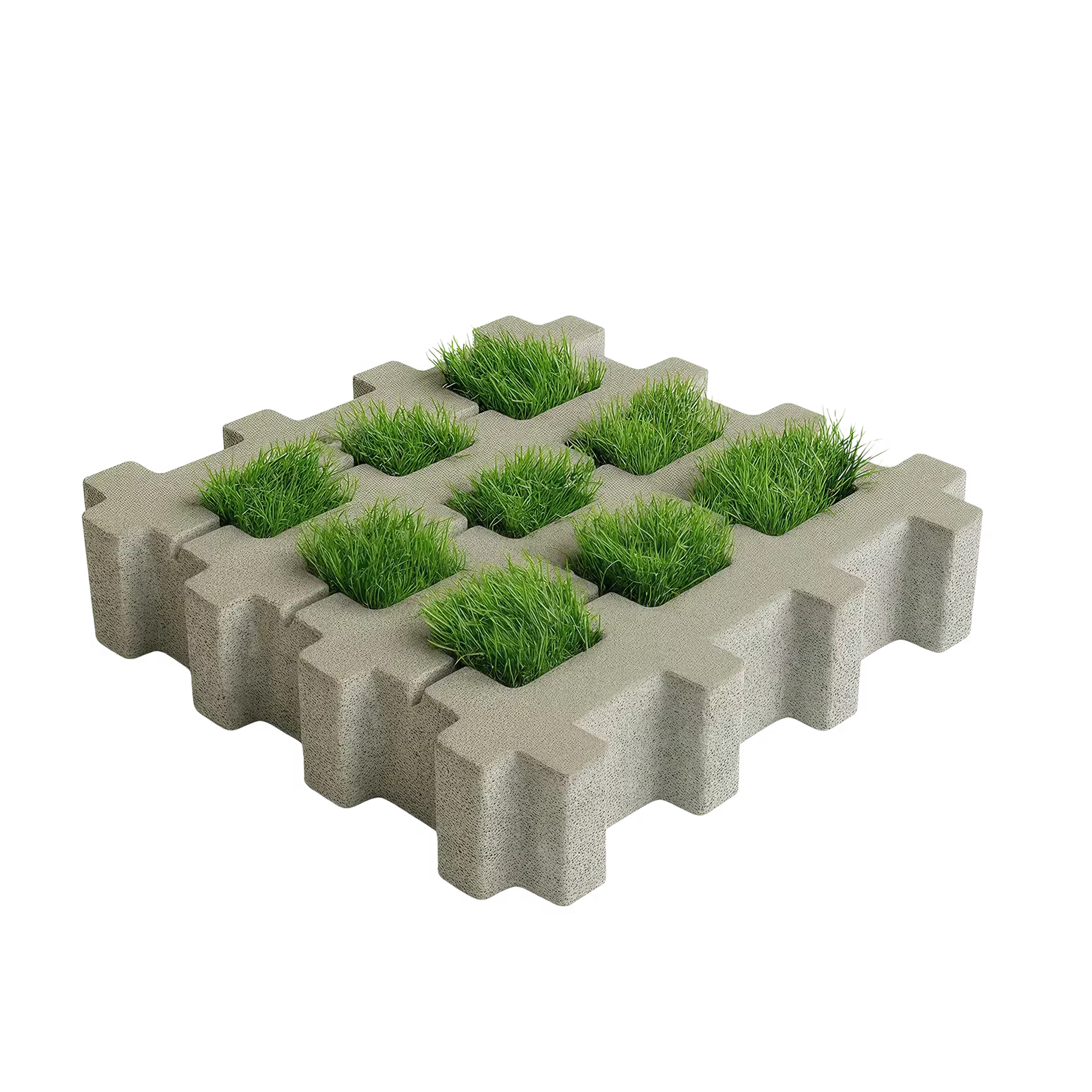
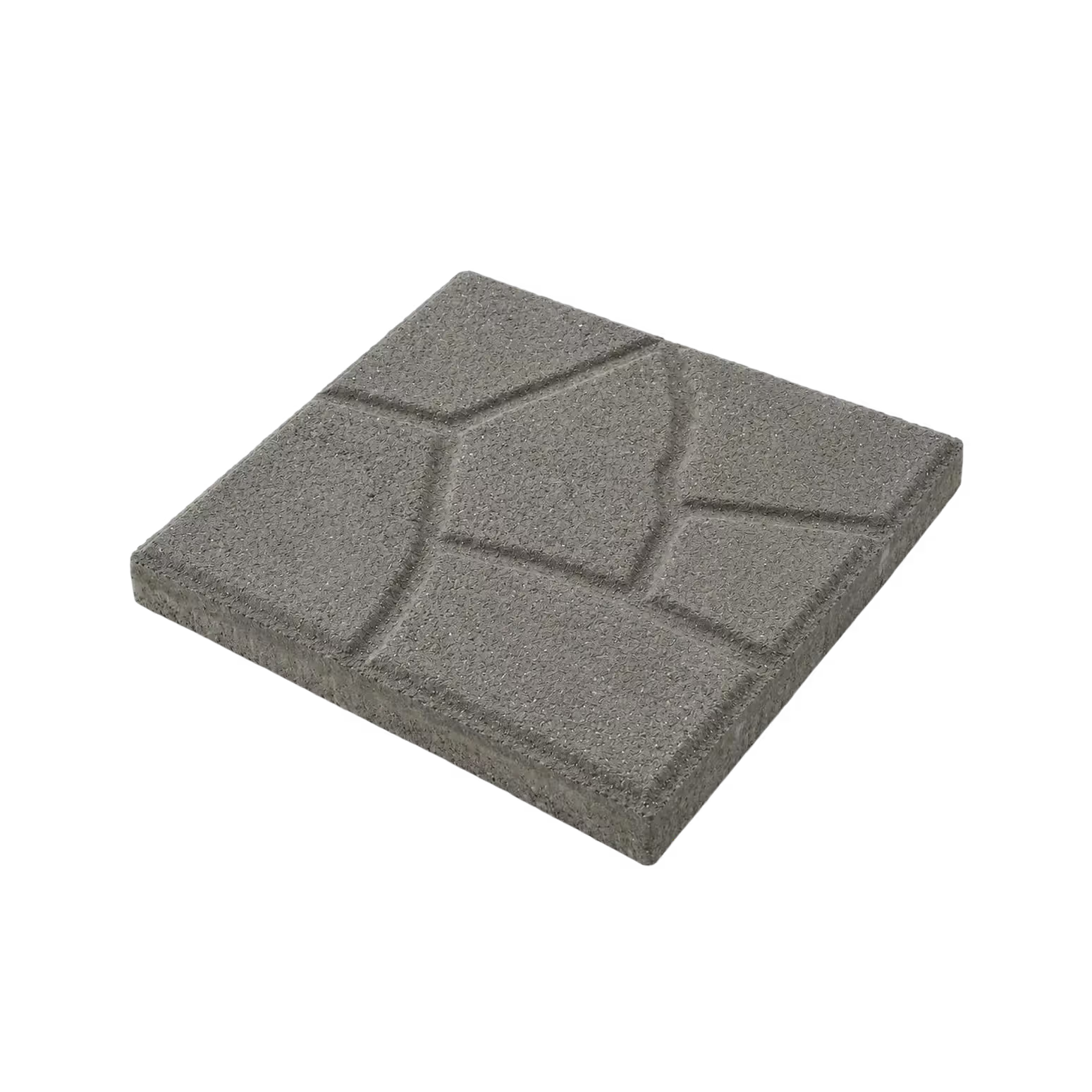
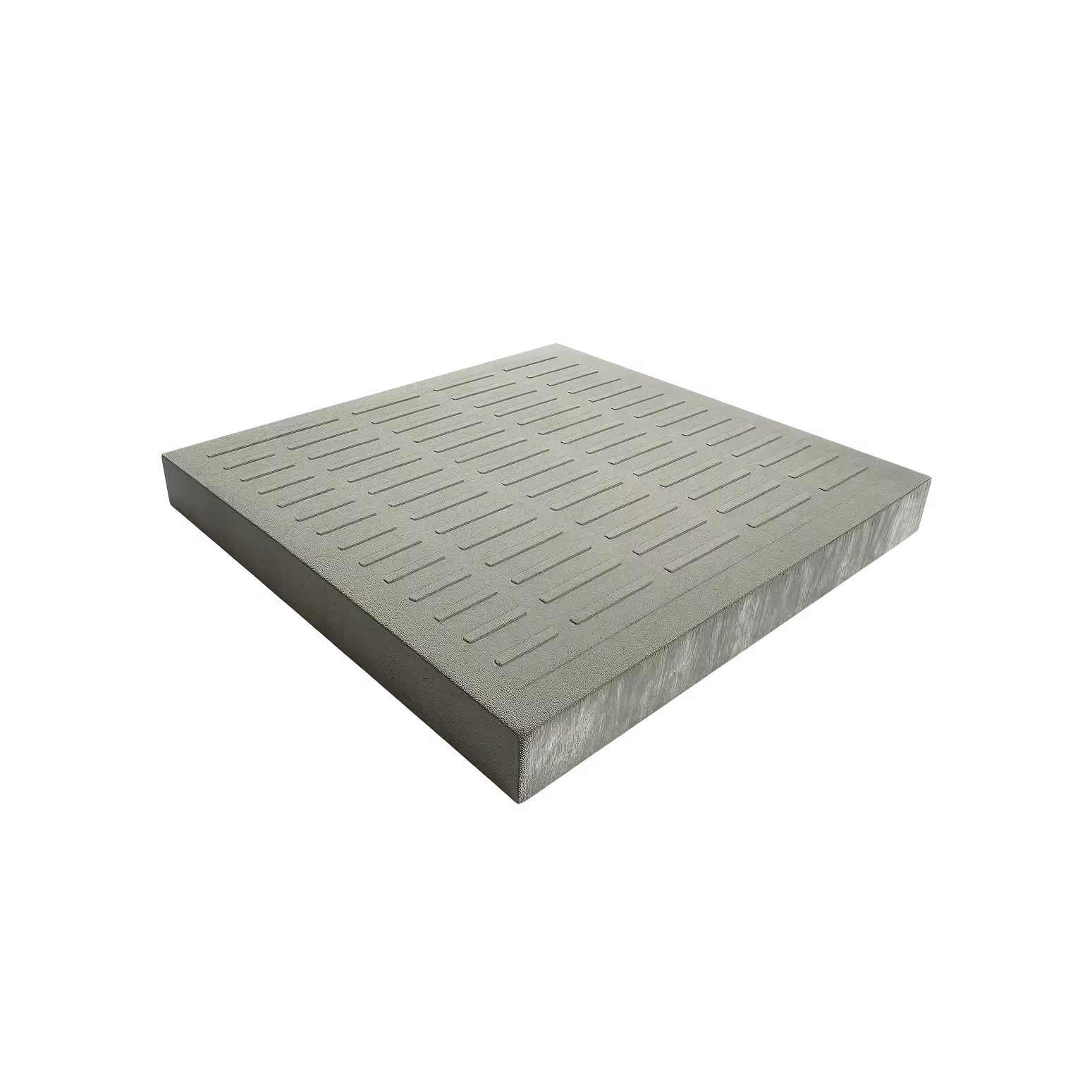
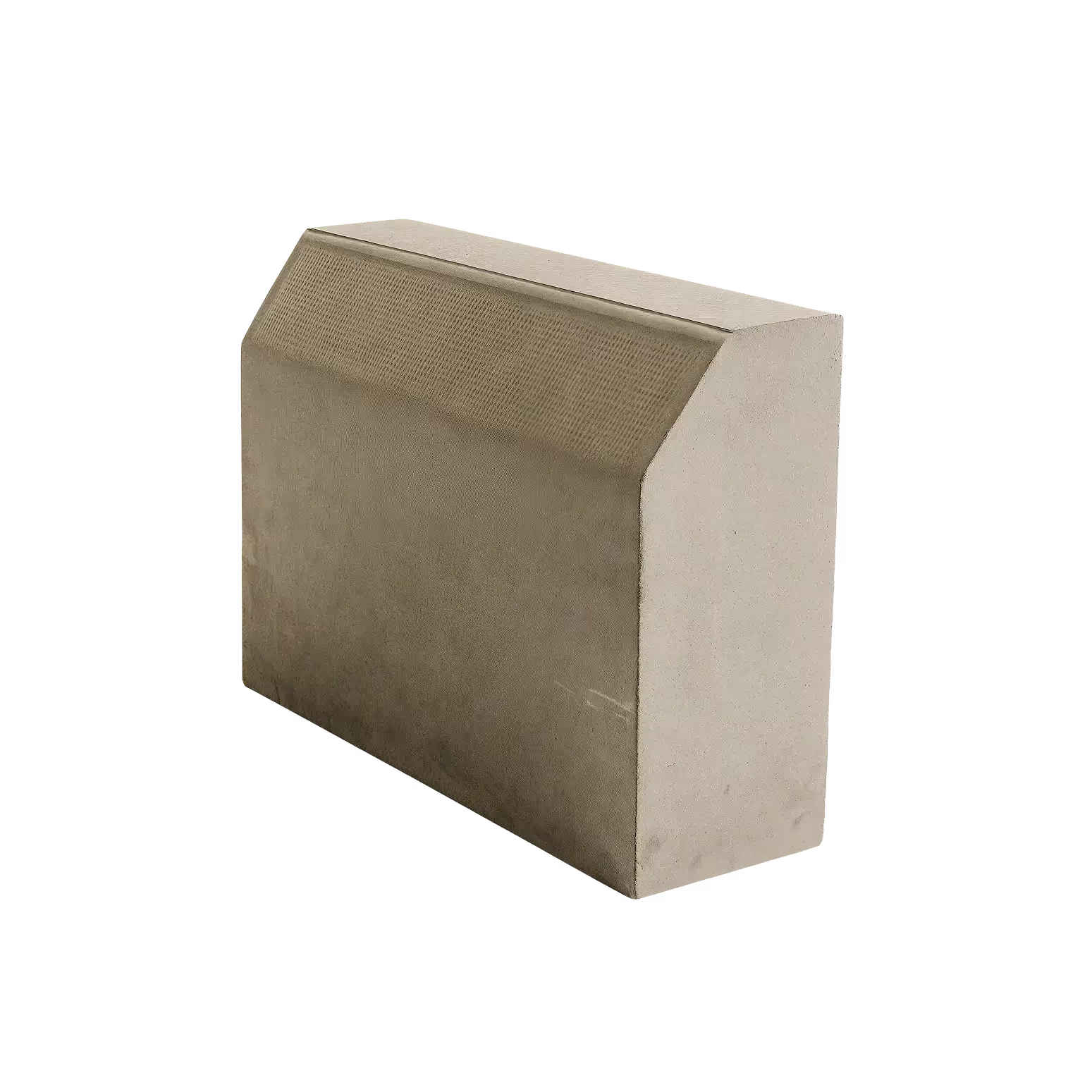
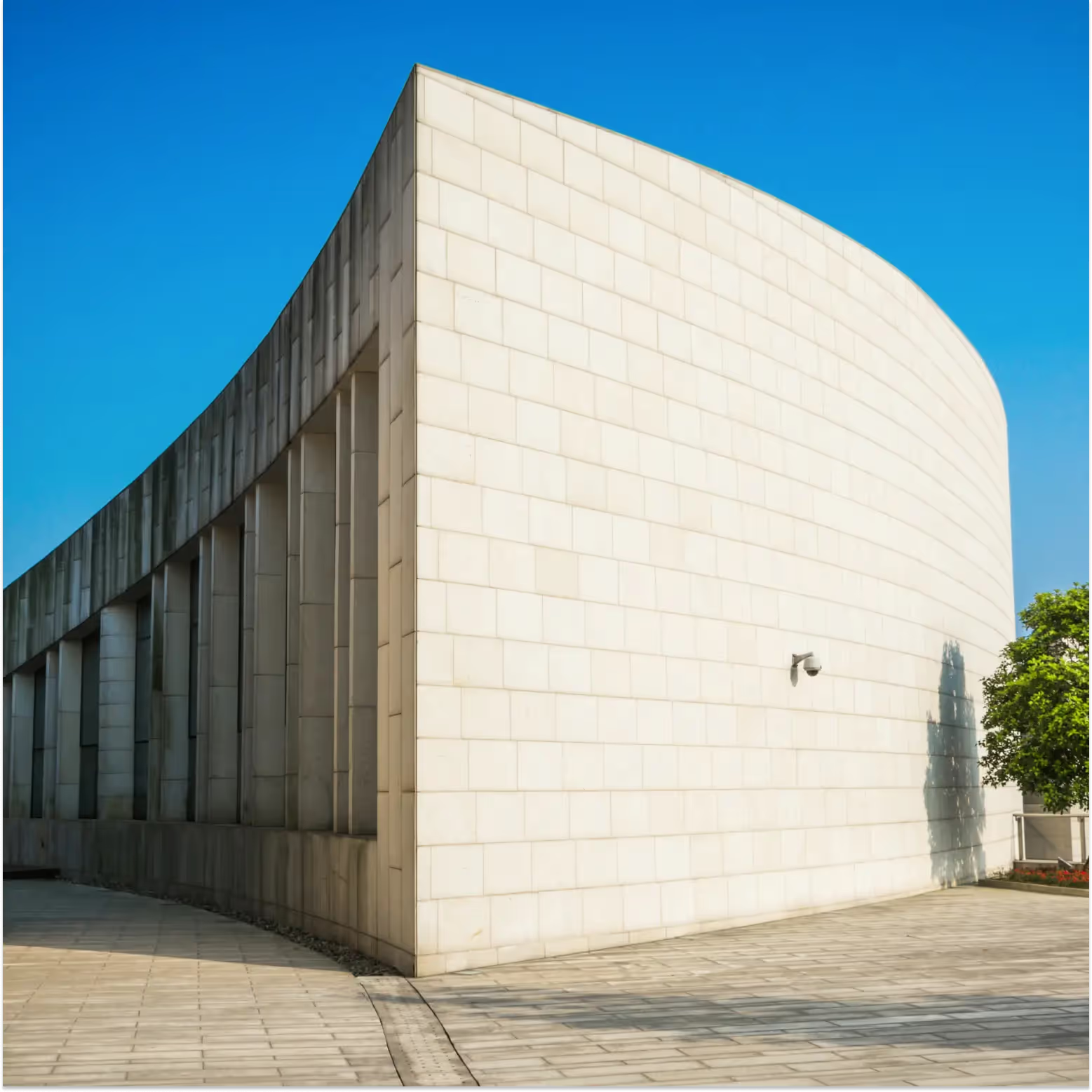
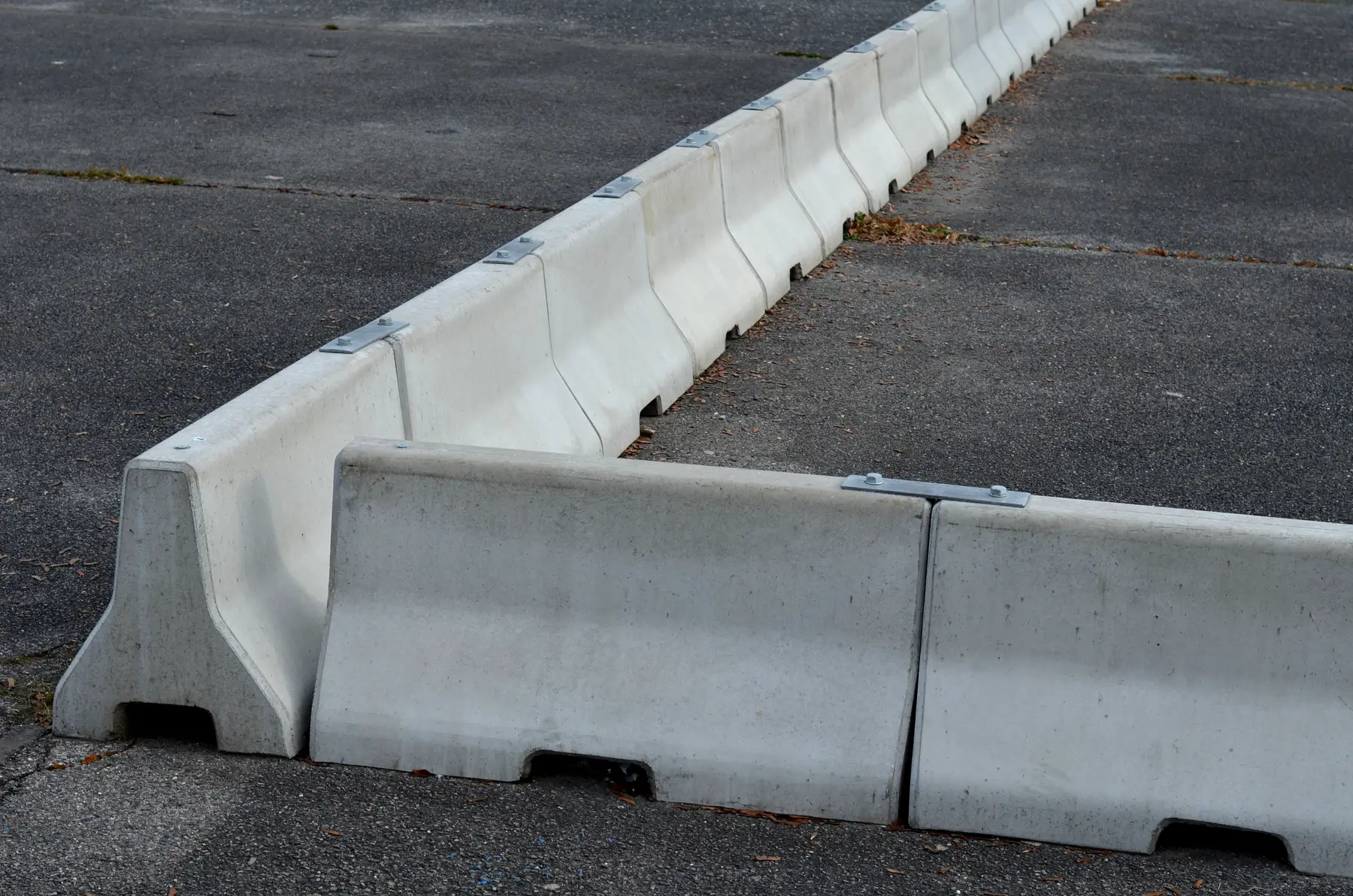
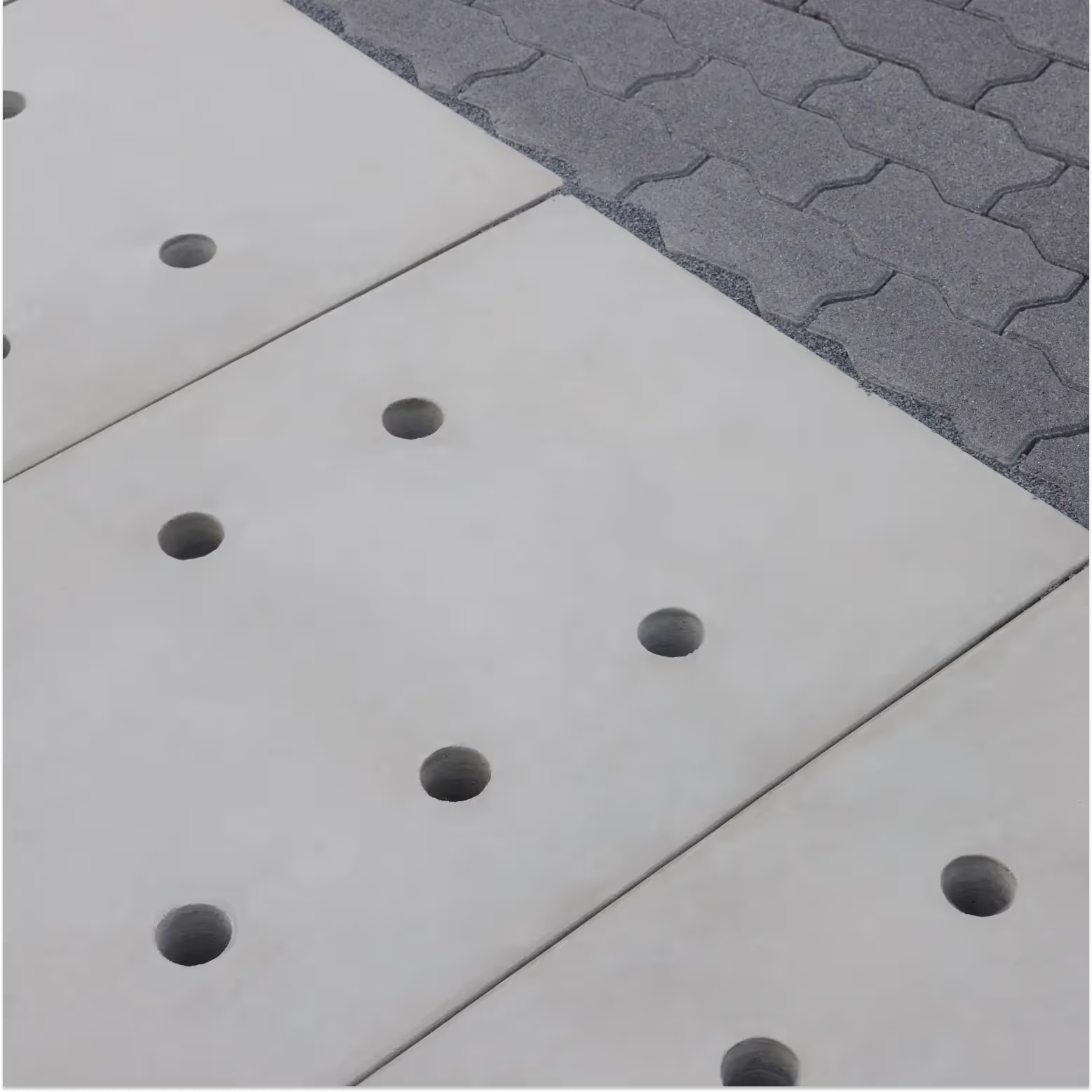
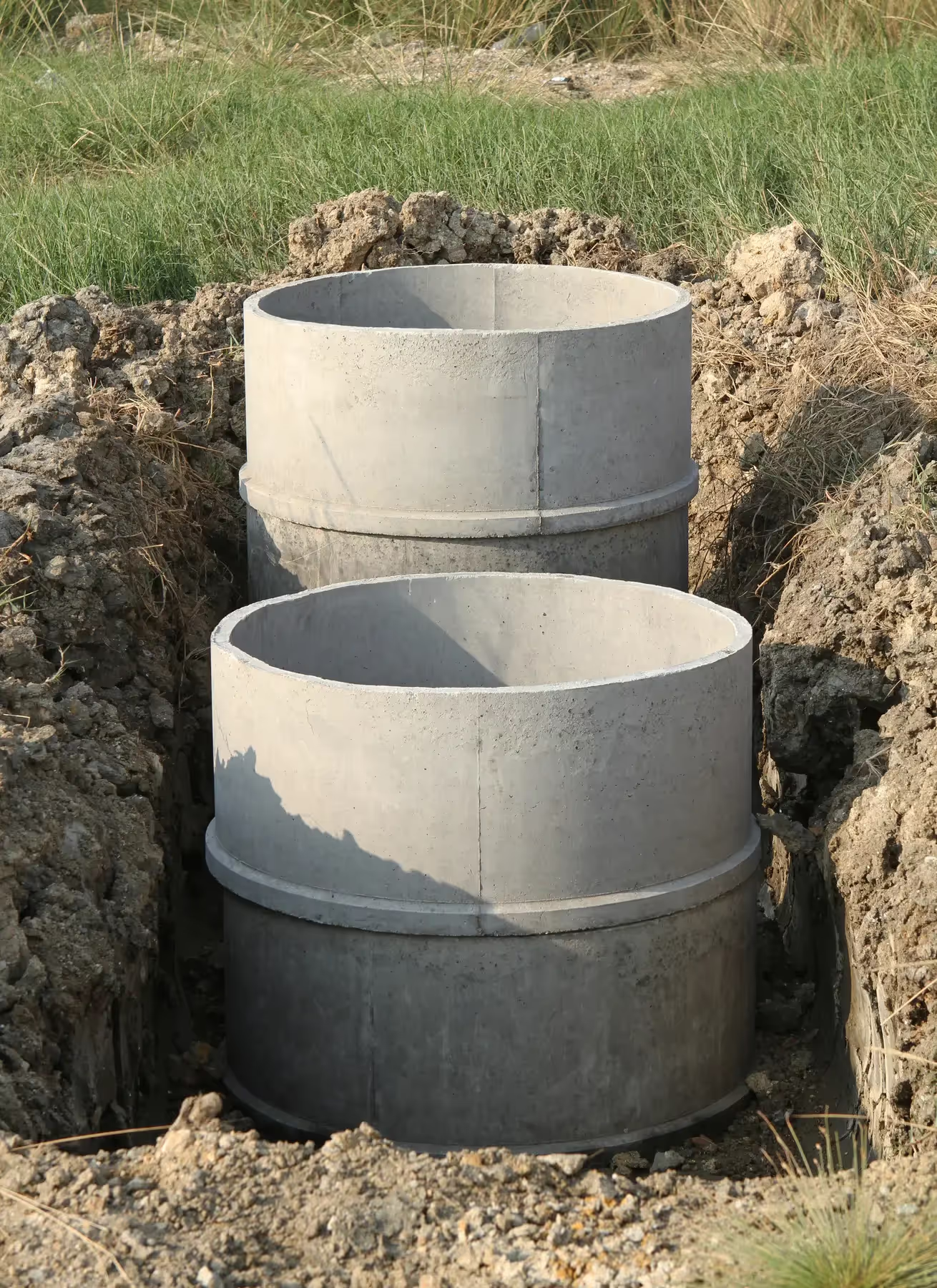
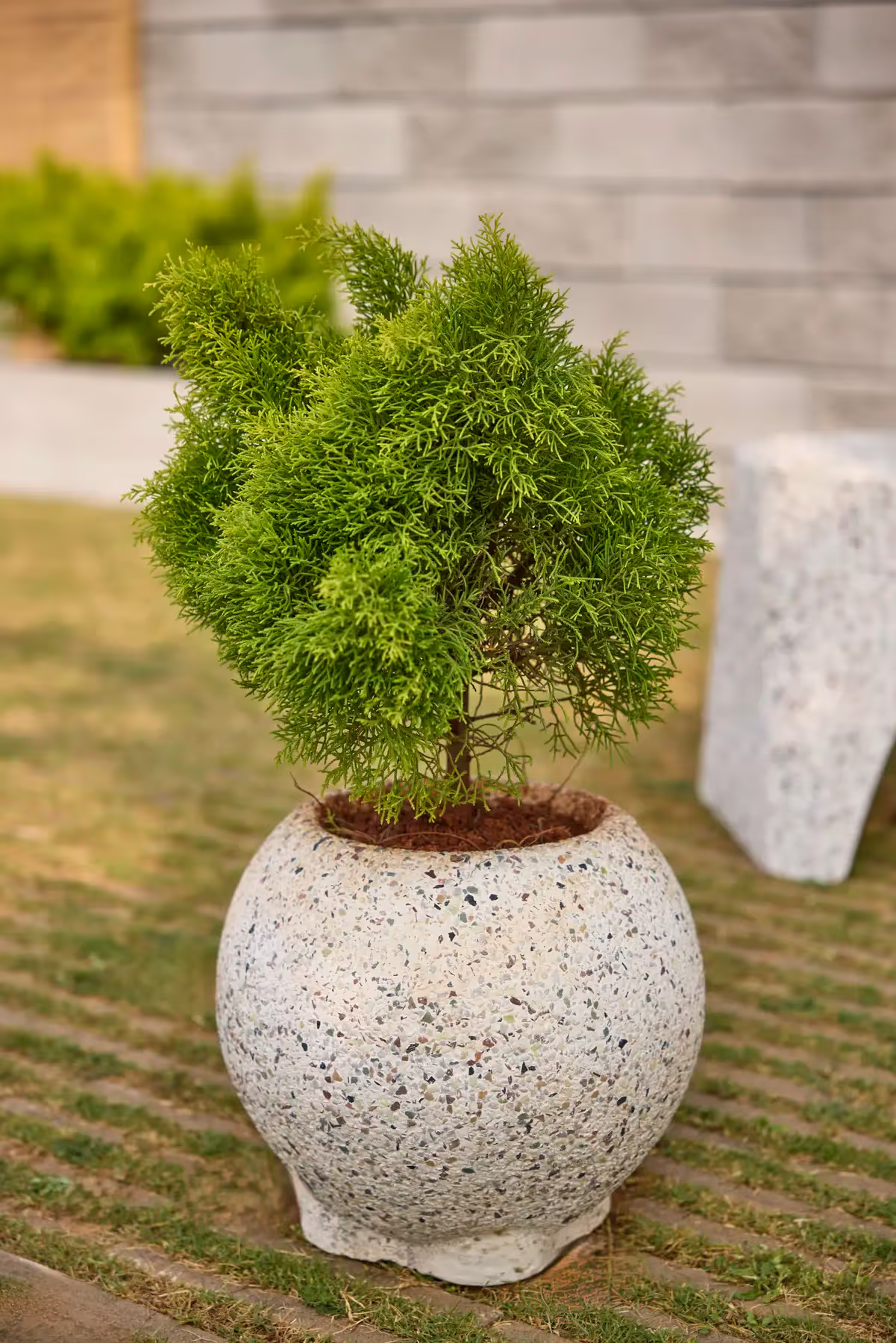
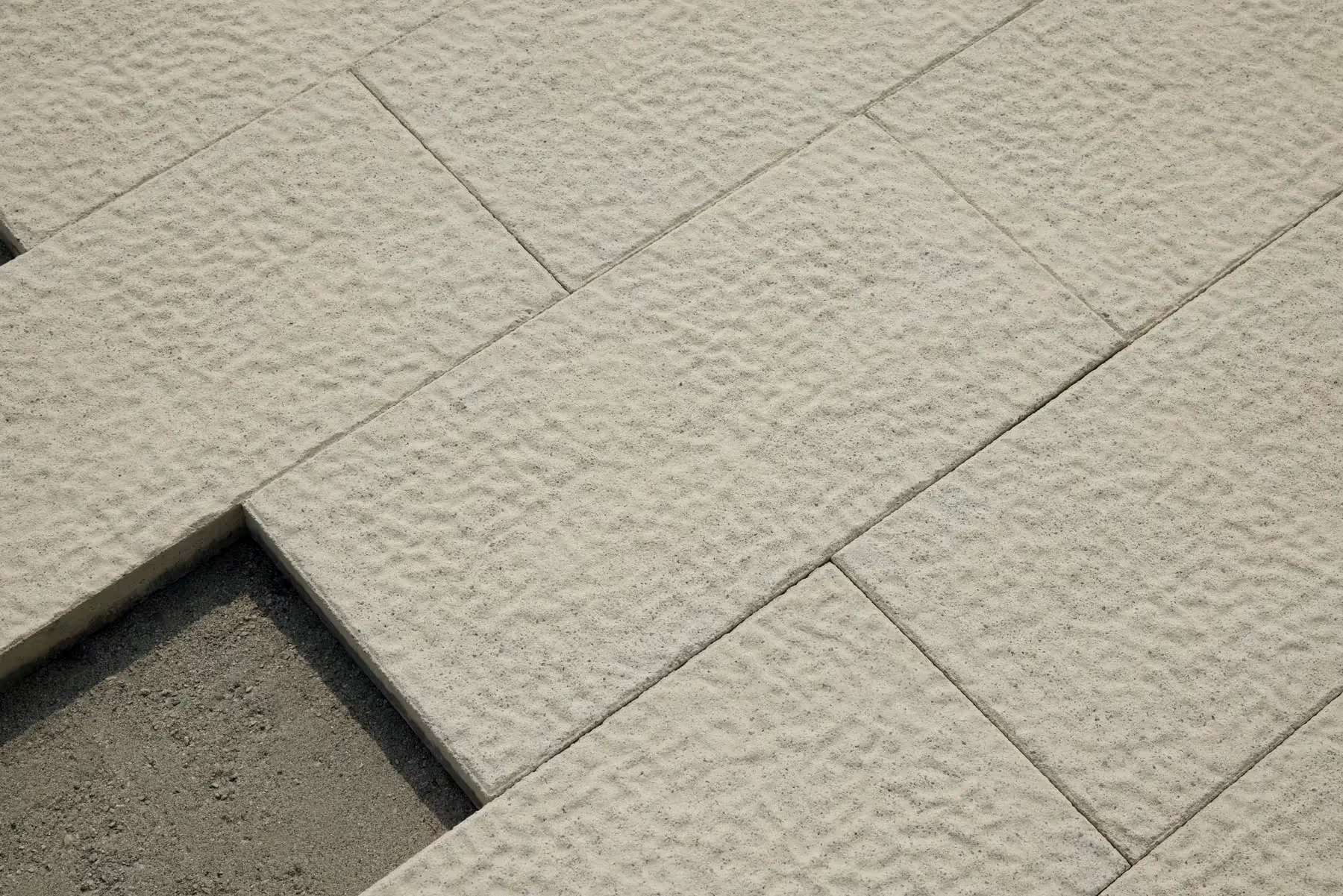
Architecture is a fine balance between the trendy and timeless. While buildings are reflections of an era, they’re also expected to transcend it. For long-lasting construction materials, architects turn to premium concrete over and over. Apart from compound walls and building facades, concrete is ideal for garden pathways, parking lots, patios, swimming pool decks and other outdoor spaces. This is especially true for southern India, where the climate fluctuates between hot summers and heavy monsoons, causing cracks, misalignments and efflorescence on hardscapes.
So, what makes concrete hardscaping products long-lasting? Like the material itself, the reasons are a perfect mix.
1. COMPOSITION
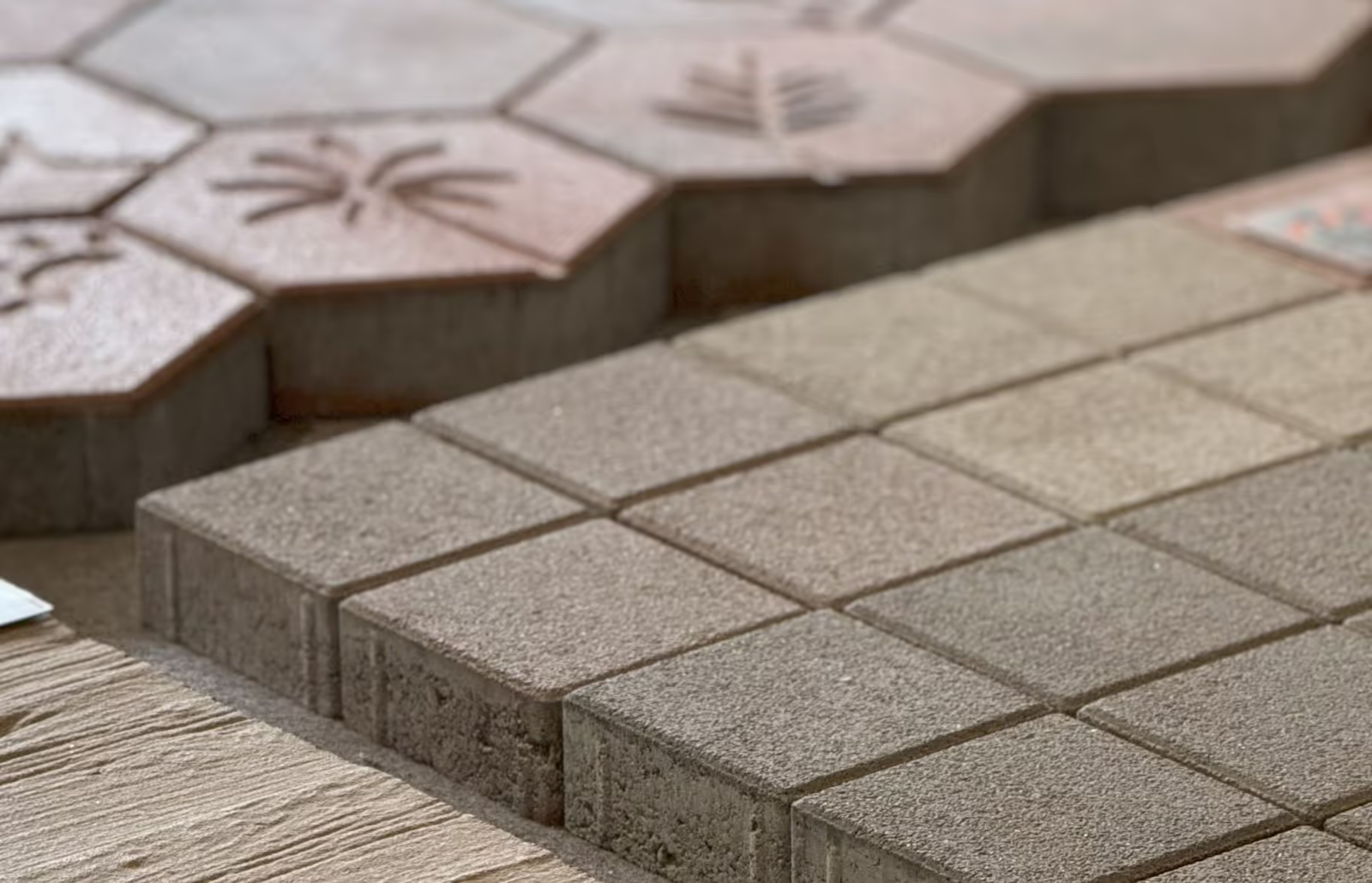
Concrete is a formula-based material that’s engineered for strength and resilience. Cement, aggregates, sand and water are combined in consistent proportions to create a uniform density throughout. However, the quality of concrete can vary, and that’s why you must consider the manufacturer carefully.
At Basant Betons’ factories, we conduct quality tests at every stage of the production process to ensure that our concrete products surpass industry standards. For example, the Bureau of Indian Standards recommends that the water absorption level should not exceed 0.6, since higher levels can impede the compressive strength of concrete. We maintain the water absorption level at 0.4, well below the requirement. This results in concrete hardscaping products that are less prone to damage from moisture.
2. HIGH COMPRESSIVE STRENGTH
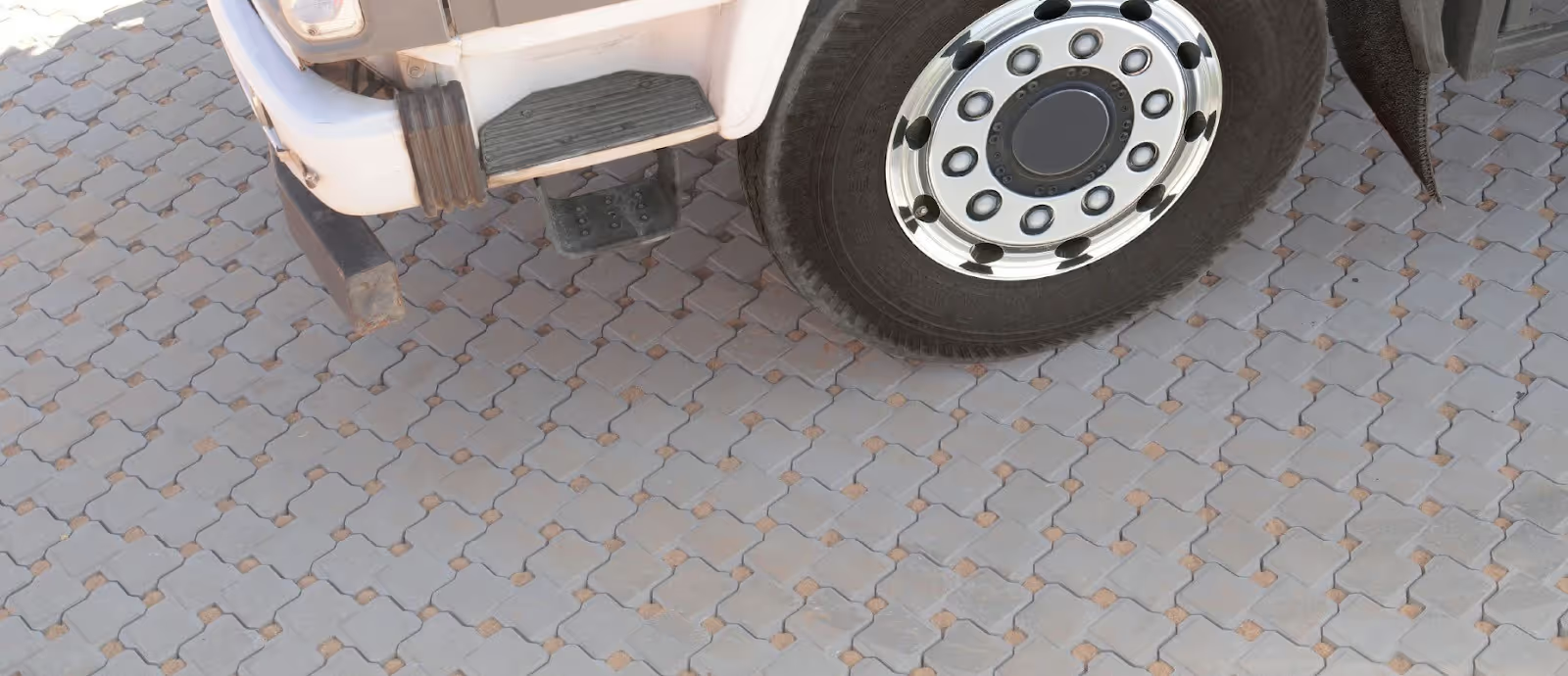
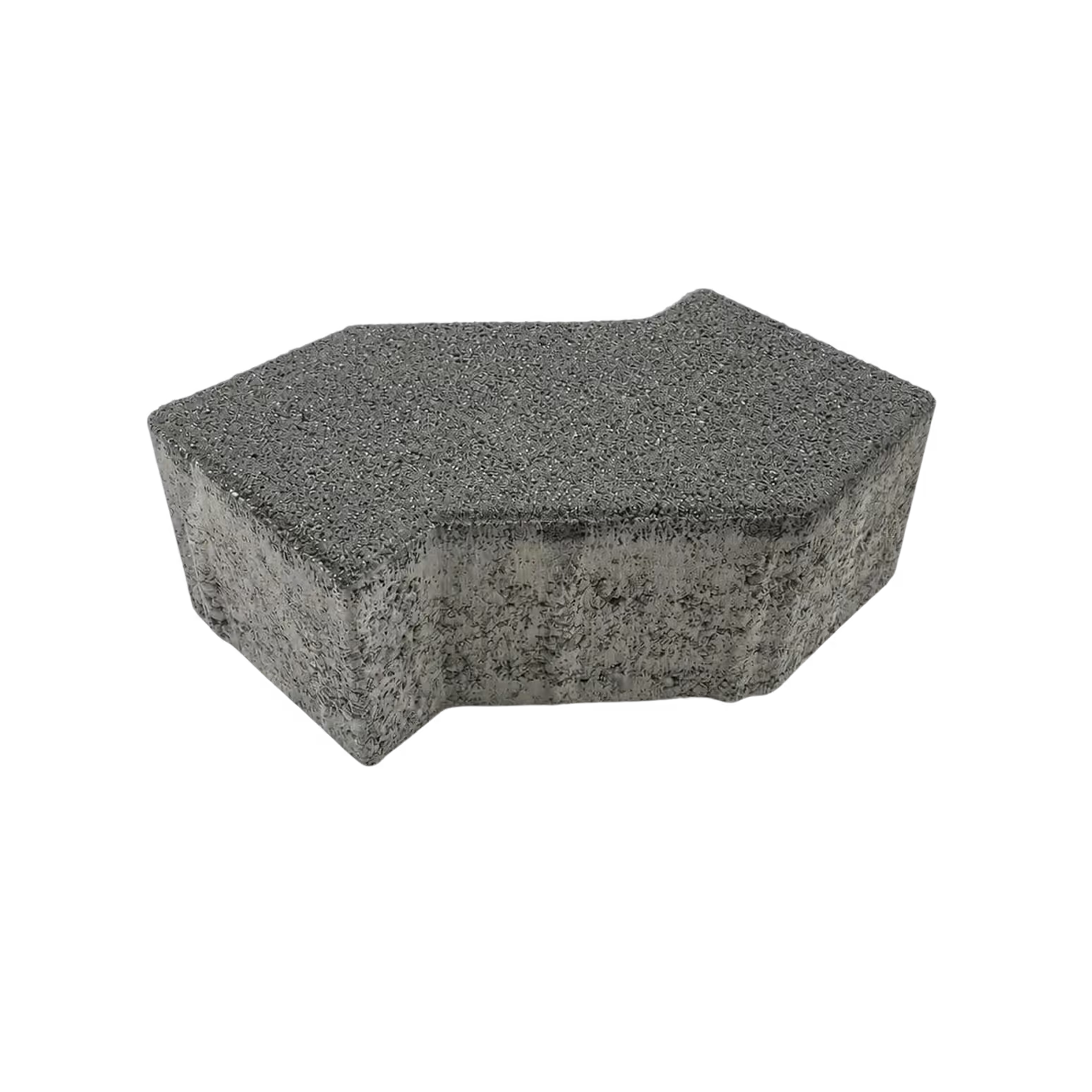
Concrete pavers are manufactured with compressive strengths of 40 N/mm2, which means they’re better able to withstand heavy loads. This makes them ideal picks for driveways and sidewalks, especially in large residential developments, public buildings and commercial complexes. Compared to poured concrete or vitrified tiles, premium concrete pavers can better withstand wear and tear from heavy traffic.
3. WEATHER RESISTANCE
India’s balmy summers cause materials to expand and cold winters lead to contraction. Over time, this can cause damage. Hardscapes in gardens, courtyards and driveways bear the brunt of weather fluctuations, and this is another area where concrete is a smart choice.
Concrete outdoes natural materials like clay and wood, which are more prone to erosion and other types of weather damage. Concrete pavers that are well-compacted have lower porosity and can withstand moisture. They also have good thermal stability. These factors help maintain the shape of the pavers under extreme heat and reduce efflorescence risk during the monsoon.
4. EVEN PRESSURE DISTRIBUTION
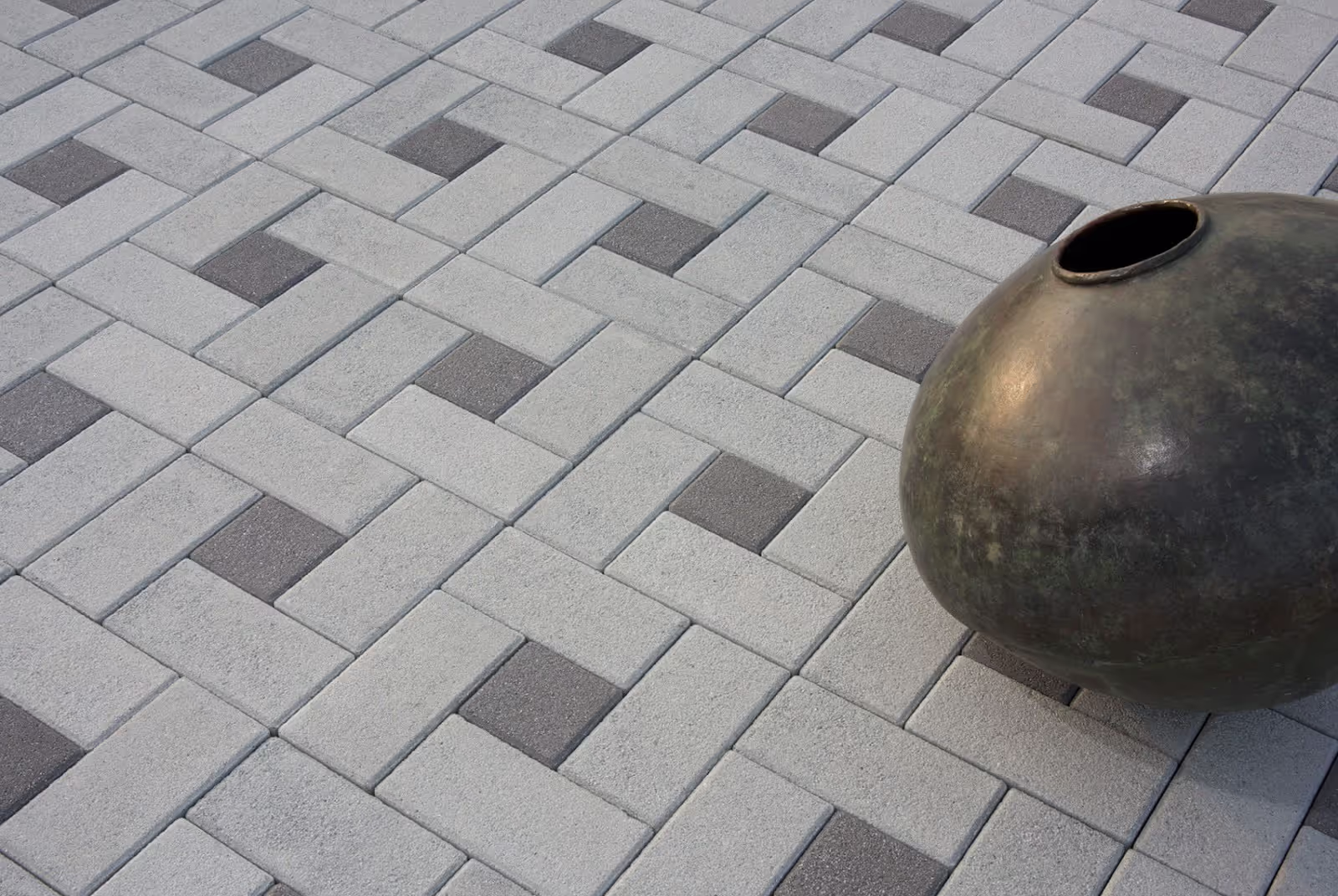
Unlike poured concrete, concrete pavers can be laid in interlocking patterns that spread the weight across uniformly. The joints between concrete pavers are typically filled with sand, which enables slight movement and prevents pressure from building up. Additionally, chamfers along the edges of pavers keep the weight off the edges, thereby preventing cracking and chipping.
5. EASY MAINTENANCE
Concrete kerbs and pavers require minimal upkeep. Natural stone like granite is a popular hardscaping choice in India, but is more expensive to replace when damaged. Concrete pavers are equally durable while being more cost-effective to maintain.
Similarly, when poured concrete or vitrified tiles develop cracks, large overhauls are needed. On the other hand, damaged concrete pavers can be replaced without disturbing the overall hardscape. This enables homeowners and builders to promptly fix any damage, making hardscapes last longer.
As manufacturing technology continues to evolve, concrete products will not only become stronger, but more versatile and visually appealing. Architects are now also exploring the use of concrete paving tiles for interior spaces like bathrooms and kitchens. While the primary reason is unique aesthetics, durability is a welcome bonus. So, for concrete products that combine time-tested processes with the latest advancements, contact our team at enquiry@basantbetons.com.